 Medications based on the GLP-1 hormone have become a primary tool for managing type 2 diabetes and obesity. Millions of people rely on these treatments to control blood sugar and support weight loss. However, emerging research suggests that individual results can vary significantly. A new international study reveals that your genes affect how GLP-1 works, which may explain why these drugs are more effective for some people than others.
Understanding GLP-1 medications
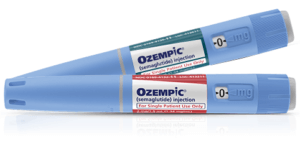
GLP-1 receptor agonists are a class of medications that mimic the function of a natural hormone called glucagon-like peptide-1. This hormone plays a crucial role in regulating blood sugar and appetite. When you eat, GLP-1 is released, signaling the pancreas to produce more insulin and telling the brain that you are full. Medications in this class include Ozempic, Wegovy and Rybelsus (semaglutide), or Mounjaro and Zepbound (tirzepatide).
- These drugs help manage type 2 diabetes by improving blood sugar control.
- They also aid in weight management by reducing appetite and slowing down digestion.
It is important to discuss your treatment plan with a licensed healthcare provider. They can help you understand the potential benefits and risks of any medication.
New research shows genes affect how GLP-1 works
A recent collaborative study involving several universities has uncovered a genetic reason why some individuals may not respond well to GLP-1 treatments. The findings, published in Genome Medicine, indicate that specific genetic variations could prevent these medications from working effectively. According to the research, this might affect as many as one in ten people.
This discovery highlights the growing importance of personalized medicine. Understanding the genetic factors that influence drug response can help doctors choose the right medication for the right patient from the start. This approach ensures a better chance of successful treatment for conditions like diabetes and obesity.
The role of the PAM gene
The study focused on two specific gene variants in a gene called PAM (Peptidylglycine Alpha-amidating Monooxygenase). The PAM gene is responsible for creating an enzyme that helps activate several hormones, including GLP-1. Previous research had already linked variations in the PAM gene to an increased risk of type 2 diabetes by affecting how the pancreas releases insulin.
The new study demonstrated that these PAM variants make the enzyme less effective. While this leads to higher natural levels of the GLP-1 hormone, it also seems to block the hormone’s beneficial effects on blood sugar. In essence, people with these PAM variants appear to have a form of resistance to GLP-1. Their bodies produce the hormone but cannot use it properly. This finding is a key reason why your genes affect how GLP-1 works. All treatment decisions should be made in consultation with a qualified physician who can assess your individual health profile.
What the study means for GLP-1 treatments
Researchers examined how these genetic factors influenced the effectiveness of GLP-1 medications. In people carrying the PAM gene variants, the ability of these drugs to lower blood sugar was reduced by up to 44% after six months of use. This is a significant reduction in treatment response.
Furthermore, only 11% of individuals with the more impactful PAM variant achieved recommended blood glucose targets while on the medication. This contrasts sharply with the approximate 25% success rate for people without these gene variants. This evidence provides a clear clinical basis for why some patients see limited benefits from popular treatments like Ozempic or Mounjaro.
The future of personalized diabetes care
This research may pave the way for more personalized approaches to treating type 2 diabetes and obesity. As scientists identify more genetic markers that predict medication response, it may become possible to use a genetic test to guide prescribing decisions. This would maximize the chances of effective care and minimize the risk of poor outcomes.
The goal is to move beyond a one-size-fits-all model. By understanding a patient’s genetic profile, doctors can select a treatment with the highest probability of success. Once a physician determines the most suitable treatment, ensuring a reliable supply of the exact prescribed medication is the next step. A licensed international pharmacy like IsraelPharm helps patients access the specific branded medications their doctors have chosen, operating under strict regulatory oversight.
| Treatment | How it works | Pros | Cons | Typical use |
|---|---|---|---|---|
| Ozempic (semaglutide) | GLP-1 receptor agonist that increases insulin secretion and reduces appetite. | Once-weekly injection, proven cardiovascular benefits in type 2 diabetes. | Requires injection, gastrointestinal side effects are common. | Type 2 diabetes, often with a goal of weight loss. |
| Wegovy (semaglutide) | Higher-dose version of Ozempic, also a GLP-1 receptor agonist. | Significant weight loss results, once-weekly injection. | Higher cost, potential for gastrointestinal side effects. | Chronic weight management in adults with obesity or overweight with comorbidities. |
| Rybelsus (semaglutide) | Oral form of the GLP-1 receptor agonist semaglutide. | Daily pill, avoids injections. | Must be taken on an empty stomach with a small amount of water. | Type 2 diabetes, for those who prefer an oral medication. |
| Mounjaro (tirzepatide) | Dual GLP-1 and GIP receptor agonist, affecting two different hormone pathways. | Very effective for blood sugar control and weight loss. | Once-weekly injection, gastrointestinal side effects. | Type 2 diabetes, with significant weight loss benefits. |
| Zepbound (tirzepatide) | Same dual-agonist as Mounjaro, approved specifically for weight management. | Strong weight loss efficacy, once-weekly dosing. | Requires injection, side effects similar to other drugs in the class. | Chronic weight management in adults with obesity or overweight with comorbidities. |
How to access GLP-1 medications through IsraelPharm
Patients sourcing GLP-1 treatments such as Ozempic or Mounjaro through IsraelPharm benefit from a clear and reliable process. The pharmacy supplies the exact branded product prescribed by your doctor. This ensures you receive the specific medication intended for your treatment plan, which is especially important with the nuances of personalized medicine.
Another benefit is the convenience of home delivery. Managing an ongoing treatment schedule is simplified when medications are delivered directly to your home, removing the need for regular trips to a local pharmacy and concerns about stock availability. This helps ensure continuity of care, which is vital for long-term health management.
IsraelPharm is a licensed international pharmacy that adheres to strict regulatory standards. A valid prescription from a licensed physician is required for all prescription medications. This policy ensures that your doctor’s oversight remains central to your care. You can learn more by visiting the product pages on the IsraelPharm website.
Further reading
- Information on GLP-1 Agonists: National Institute of Diabetes and Digestive and Kidney Diseases
- Details on the PAM gene study: University of Adelaide
- Mounjaro for type 2 diabetes: IsraelPharm
- Information on Type 2 Diabetes: American Diabetes Association
Frequently asked questions
What is the main finding about how genes affect how GLP-1 works?
The main finding is that common variations in the PAM gene can make GLP-1 medications less effective. These gene variants create a form of resistance to the GLP-1 hormone. This means even though a person takes a medication like Ozempic, their body may not be able to use it properly to control blood sugar or appetite. The study showed this can reduce the drug’s effectiveness by up to 44%, explaining why responses to these popular diabetes and weight-loss drugs can differ so much between individuals.
How do GLP-1 medications like Ozempic and Mounjaro work?
GLP-1 medications work by copying the actions of the natural GLP-1 hormone. Their primary functions include: stimulating the pancreas to release insulin when blood sugar is high, which helps lower it; slowing down the emptying of the stomach, which makes you feel full longer; and signaling to the brain to reduce appetite. Mounjaro is slightly different as it also mimics a second hormone, GIP, making it a dual-action treatment. Both mechanisms in GLP-1 medications contribute to better blood sugar control and weight loss.
Are GLP-1 medications safe for everyone?
While generally safe and effective for many, GLP-1 medications are not suitable for everyone. People with a personal or family history of medullary thyroid carcinoma or Multiple Endocrine Neoplasia syndrome type 2 should not use them. Common side effects are often gastrointestinal, such as nausea, vomiting, and diarrhea. It is essential to discuss your full medical history with your doctor. They will determine if a GLP-1 medication like Ozempic or Mounjaro is a safe and appropriate choice for your specific health situation.
How are medications like Ozempic and Mounjaro typically taken?
Most GLP-1 medications, including Ozempic, Wegovy, Mounjaro, and Zepbound, are self-administered as a once-weekly injection under the skin of the abdomen, thigh, or upper arm. Your doctor or nurse will show you how to do this correctly. An exception is Rybelsus, which is an oral tablet taken once daily. For the injections, consistency is key, so it is best to take it on the same day each week. The dosage for these medications is often started low and gradually increased by your doctor to improve tolerance and reduce side effects.
How can I source GLP-1 medications if my doctor prescribes them?
If your doctor prescribes a GLP-1 medication, you will need a valid prescription to source it. Once you have the prescription, you can fill it at a local or a licensed international pharmacy. International pharmacies like IsraelPharm often provide access to the exact branded medications, such as Ozempic or Mounjaro, at a lower cost than US retail prices. The medication can be delivered directly to your home, which is a convenient option for managing a long-term treatment plan. Always ensure you are using a reputable and licensed pharmacy.
Glossary
Enzyme: A protein that speeds up chemical reactions in the body, which is essential for processes like digestion and metabolism.
Gene variant: A permanent change in the DNA sequence that makes up a gene, which can sometimes affect its function.
GLP-1 (Glucagon-like peptide-1): A natural hormone produced in the gut that helps regulate blood sugar levels, appetite, and stomach emptying after meals.
Hormone: A chemical messenger produced in the body that travels through the bloodstream to control the function of various organs and tissues.
Insulin: A hormone made by the pancreas that allows your body to use sugar from carbohydrates for energy or to store for future use.
Morbidity: The state of having a specific illness or disease, often used to describe the burden of a health condition on a population.
PAM gene: The gene that provides instructions for making an enzyme responsible for the final step in activating many essential hormones, including GLP-1.
Pancreas: An organ located in the abdomen that produces several important hormones, including insulin, and enzymes for digestion.