 Public health websites encourage people to get their annual influenza vaccine not later than October 31 to ensure immunity builds up before peak flu season, which usually ramps up in November and lasts through winter. There’s the cute slogan “Flu before Boo”, which means get vaccinated before Halloween. Getting the shot by this time provides maximum protection before the virus starts its winter run, as it takes roughly two weeks for the body to develop antibodies. There’s still a chance that the virus will slip past vaccination, but there are ways to add to the body’s defenses with simple steps that can stop the virus getting in, and fighting it before it gains a hold with special flu antivirals.
This article focuses on Flu antivirals, but it starts where public health messaging starts: prevention. The main prevention tool is the influenza vaccine. When prevention fails, using the right treatments against a viral infection still creates options. The goal is not “perfect safety” (that is not how winter viruses behave), but better odds and fewer nasty surprises.
The key message of “Flu before Boo”
- Immunity takes time to build. Many people do not realize the shot needs roughly two weeks before protection is at full strength.
- Timing matters. Peak influenza activity often lands between December and February, so late October gives a practical head start.
- Not too late, but also not too early. Vaccines take a few weeks to reach peak effectiveness, but steadily lose strength, usually lasting only 4-5 months. So covering November to February means the worst of winter is insulated best.
- Families benefit when the timing is shared. Pediatricians often push for early vaccination so school outbreaks do not become household outbreaks.
- It is also a reminder that more than one respiratory virus can circulate at the same time, increasing overall COVID-19 risk during winter gatherings.
- Missing the deadline is not the same as missing the season. November and later can still be useful because flu season can run well into spring.
As always, personal medical decisions should be discussed with a qualified healthcare provider, especially for children, older adults, pregnancy, and people with chronic conditions.
Why the ‘Flu before Boo deadline
Optimal timing
The “before Halloween” idea is less about spooky marketing and more about calendar math. In most years, influenza spreads fastest later in the year, so earlier vaccination helps reduce the number of people who walk into peak season unprotected.
Immune lag
Even a well-matched vaccine does not flip a switch overnight. The body needs time to build antibodies. That delay explains why public health messages focus on “not later than” dates instead of “whenever.”
Safe seasonal celebrations
Halloween, Thanksgiving, winter school events, and indoor family gatherings over the holdidays tend to pack people into warm rooms with poor ventilation. That mix is basically a holiday gift basket for respiratory viruses. Flu vaccination is one layer of protection when those settings cannot be avoided.
Specifics about the 2026 ‘flu season
Reports described the current season as unusually intense, with high levels of illness compared with recent years. A key concern has been viral change and the way variants can shift what spreads fastest.
- One strain described in reports is a highly mutated subclade (subclade K) of the H3N2 variant, which has been linked to high activity in some areas.
- Even when a vaccine is finalized before a late-emerging variant shows up, early-season data can still show meaningful protection against confirmed cases and, importantly, less severe illness.
- Safety messaging remains consistent: flu vaccines have a strong overall safety profile, with severe reactions described as uncommon.
- Seasonal overlap matters. When influenza activity rises at the same time as COVID-19 activity, healthcare systems feel the strain, and individual risk can rise too.
Because seasonal patterns can vary by region, local public health updates and a clinician’s advice remain the most reliable guide for timing and personal risk.
Debunking the myths about vaccination
Anti-vaccine content spreads fast because it uses short, emotional stories that feel convincing. The problem is that the “story” often ignores the boring facts that matter, like timing, test results, and what illness itself can do.
- Social media posts rarely include full medical context, verified diagnoses, or clear timelines.
- Some posts blame a medication for scary symptoms while skipping the possibility that the flu itself caused the problem.
- “Natural” or “homeopathic” claims often present recipes or supplements without evidence that they stop influenza viruses.
A more reliable approach is simple: treat social media as a starting point for questions, not as proof. When claims involve safety, children, pregnancy, or severe symptoms, a healthcare professional should be the main source of guidance.
There are treatment options if infection still happens
When flu hits, it often hits fast: fever, body aches, and exhaustion that arrives like a surprise bill. For many people, the main approach is supportive care and time. But for others—especially those at higher risk—prescription antivirals can be an important tool. In plain terms, flu antivirals can:
- Shorten illness by about one to two days when started early.
- Reduce symptom severity and lower the risk of certain complications.
- Lower the risk of death in some high-risk groups.
- Reduce the chance of getting sick after a known exposure in some settings.
These medicines work best when started early after symptoms begin. A clinician can help decide whether antiviral treatment is appropriate based on age, symptoms, timing, and risk factors.
| Product name and generic name | Description | Mode of action | Side effects | Usage |
|---|---|---|---|---|
| Tamiflu (oseltamivir) | Tamiflu is an oral antiviral medicine used to treat influenza A and B infections. It is one of the most widely used flu treatments and is available as capsules or a liquid. Because it is taken by mouth and works throughout the body, it can be used in a wide range of age groups, including young children. It is most often prescribed when flu symptoms have recently started, with the goal of shortening illness and reducing the intensity of symptoms such as fever, cough, and body aches. | Oseltamivir belongs to a group of drugs called neuraminidase inhibitors. The influenza virus uses an enzyme called neuraminidase to escape from infected cells and spread to healthy cells in the respiratory tract. By blocking this enzyme, oseltamivir slows the release of new virus particles, limiting how widely the infection can spread inside the body. | These may include:
Some people also report headache or mild fatigue. In rare cases, unusual behavior or confusion has been reported, mainly in children and teens. |
Tamiflu is typically used early in the course of flu illness, ideally within the first two days of symptoms. It may also be used after close contact with someone who has the flu to reduce the likelihood of becoming ill. Treatment usually lasts several days and is taken at home. |
| Xofluza (baloxavir marboxil) | Xofluza is a newer oral antiviral used to treat uncomplicated influenza. It is known for its single-dose treatment approach, which can make it convenient compared with multi-day regimens. It is used in certain age groups and is intended for people with recent onset of flu symptoms. Because it works in a different way from older antivirals, it represents a newer class of flu treatment. | Baloxavir marboxil is converted in the body to baloxavir, which blocks a viral enzyme involved in copying the flu virus’s genetic material. This enzyme is part of the virus’s replication machinery. By interfering with this early step in viral reproduction, the drug reduces the virus’s ability to multiply inside infected cells. | May include:
Side effects tend to be infrequent because only a single dose is taken. |
Xofluza is used as a one-time oral treatment for flu in people who have had symptoms for a short period of time. It is intended for use outside the hospital setting and is taken as soon as possible after flu symptoms begin. |
| Relenza (zanamivir) | Relenza is an inhaled antiviral medicine used to treat influenza infections. Unlike oral antivirals, it is delivered directly into the airways using a special inhaler device. This allows the medicine to act mainly in the respiratory tract, where the flu virus infects cells. It is approved for use in certain age groups and is generally used for uncomplicated flu. | Zanamivir is also a neuraminidase inhibitor. Like oseltamivir, it blocks the viral neuraminidase enzyme. This prevents newly formed flu virus particles from leaving infected cells in the airways, slowing the spread of infection through the lungs and upper respiratory tract. | These can include:
Bronchospasm, headache and mild digestive symptoms have also been reported. |
Relenza is used soon after flu symptoms begin and is taken twice daily for several days using its inhaler device. It may also be used in some situations after exposure to influenza. It is used at home but requires correct inhaler technique. |
| Rapivab (peramivir) | Rapivab is an antiviral medicine given by intravenous (IV) infusion for the treatment of influenza. Because it is administered directly into the bloodstream, it is generally used in clinical settings rather than at home. It may be chosen when oral or inhaled treatments are not suitable. | It prevents the release of new influenza virus particles from infected cells. The IV route allows the medicine to reach effective levels in the bloodstream quickly, providing systemic antiviral activity. | Side effects reported with IV peramivir are similar to Relenza | Rapivab is given as a single IV infusion in healthcare setting. It is used to treat acute flu infection, especially when other routes of treatment are not practical. |
Important note: this table is for general information only. A healthcare prescriber is the only person to decide which option fits a specific situation, especially for children, pregnancy, older adults, and people with chronic disease.
Where to get vaccinated
There is no single perfect directory for every town and every insurance plan. In practice, many people use a mix of public resources and local searches to find a convenient location.
- Public health resources (for example, VaccineFinder, Vaccines.gov) can help identify nearby sites.
- Large pharmacy chains (such as Walgreens, CVS, and Walmart) often offer appointments and walk-in options.
- Healthcare facilities (clinics, hospitals, and local practices) may provide vaccination, including in rural areas.
- Insurers (for example, United Healthcare or Aetna) sometimes list in-network locations.
- Manufacturer support programs (for example, Pfizer VaxAssist) may help certain groups navigate access.
- Specialist booking sites (for example, EasyVax) may exist in some regions.
Avoiding infection – better safe than sorry
Vaccination is the main tool, but everyday habits still matter—especially when sick contacts are common at school, work, or travel. Prevention stacks best when it uses more than one layer.
- Get vaccinated for influenza in season, based on local guidance.
- Avoid crowded, overheated, badly ventilated indoor spaces when feasible.
- Use a mask in settings with unknown exposure during peak season, especially around high-risk people.
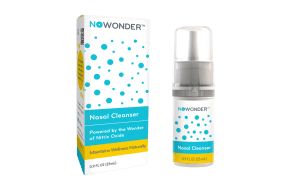
- Consider simple OTC nasal barrier options that some people use as an added layer, such as Nasodine and NOWONDER, particularly in crowded indoor settings.
For any prevention product, especially for children, pregnancy, or chronic conditions, a pharmacist or clinician can help check safety and appropriate use.
Frequently asked questions about flu vaccinations and treatments
What is the difference between a flu vaccine and a flu antiviral?
A flu vaccine is designed to help the immune system recognize influenza viruses before infection happens. It is a prevention tool. A flu antiviral is a prescription medicine used after infection (or sometimes after a known exposure) to reduce how long illness lasts and how severe it becomes. Both approaches can matter in the same season. A clinician can help decide what is appropriate based on timing, symptoms, and medical history.
How quickly do flu antivirals need to be started to help?
Flu antivirals tend to work best when started early after symptoms begin. Many sources describe a “first 48 hours” window as the sweet spot for reducing illness duration. That said, some high-risk situations may still benefit even if treatment starts later. The key point is that waiting usually reduces the potential benefit. A prescriber can weigh timing, symptom severity, and risk factors when deciding whether treatment makes sense.
Do flu antivirals cure the flu?
Flu antivirals are not a “cure” in the sense of instantly removing symptoms. They are designed to slow down viral replication so the body can catch up faster. For many people, that means fewer days of being sick and a lower chance of certain complications. Some people still feel quite miserable for a few days even with antivirals, especially if treatment starts late. Supportive care and rest still matter. A healthcare professional can help set realistic expectations for recovery.
What side effects are most common with Tamiflu and similar medicines?
Many people tolerate antivirals well, but stomach-related side effects are commonly reported, especially nausea and vomiting with oseltamivir. Headache can also occur. Serious side effects are described as uncommon. Any unexpected or severe reaction should be discussed with a clinician promptly. Side effects also need to be weighed against the benefit of preventing complications in higher-risk groups. A pharmacist can often help explain what is common, what is rare, and what should trigger urgent medical help.
Why does flu sometimes still happen after vaccination?
Flu vaccines reduce risk, but they do not guarantee perfect protection. Several factors can play a role, including how well the vaccine strains match circulating strains, how a person’s immune system responds, and how much exposure occurs in crowded indoor settings. Vaccination can still matter even when infection happens, because it may reduce the severity of illness. In seasons with fast-moving variants, protection may be partial rather than complete. Local public health updates can help explain what is circulating.
Can at-home tests tell the difference between flu and COVID-19?
Some at-home tests are designed to check for multiple viruses, including influenza and COVID-19. This can be useful because early symptoms can look similar, and the antiviral medicines for each virus are different. Correct identification can help a clinician choose the right next step, especially in higher-risk people. Testing accuracy depends on timing and correct use of the kit. When symptoms are severe or risk factors are present, a clinician’s evaluation is still important, even if a home test is negative.