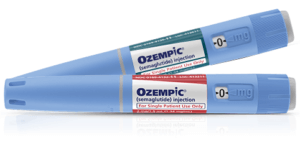
Evenity (romosozumab-aqqg) is a prescription medicine used in treating osteoporosis in people who face a high risk of fracture, especially after menopause. It stands out because it is not just aimed at slowing bone loss. It is designed to push bone rebuilding in one direction while also lowering the pace of breakdown in the other. For patients living with fragile bones, repeated fractures, or worsening bone density after menopause, that difference matters. Evenity is usually considered when fracture risk is high, when another option is not suitable, or when earlier treatment has not worked well enough.
Why treating osteoporosis matters
Osteoporosis is often called a silent condition because people usually do not feel it happening. Bone can become thinner and weaker over time without causing pain, and the first sign may be a broken bone after a small fall, a twist, or even routine daily movement. That is why treating osteoporosis early is not only about bone density on a scan. It is also about reducing the chance of spine, hip, wrist, and other fractures that can change mobility, independence, and quality of life.
Bone loss becomes more common with age, but the risk rises sharply in women after estrogen depletion linked to menopause. When hormone levels fall, the balance between bone formation and bone breakdown shifts in the wrong direction. The body starts losing bone faster than it replaces it. Over time, this can lead to postmenopausal osteoporosis, a progressive condition that becomes harder to ignore once fractures begin.
Risk is also shaped by more than age alone. A family history of fracture, low calcium or vitamin D intake, smoking, heavy alcohol use, poor physical activity, and some long-term health conditions can all push bone strength lower. Some medicines can do the same, including corticosteroids, certain antidepressants, some seizure medicines, proton pump inhibitors, and thiazolidinediones used in type 2 diabetes.
How Evenity works in treating osteoporosis
Evenity is a monoclonal antibody. That means it is a targeted biologic treatment designed to attach to one specific molecule in the body. In this case, the target is sclerostin, a protein involved in bone metabolism. Sclerostin normally acts as a brake on new bone formation. When Evenity blocks that signal, the body can build more bone. At the same time, it also helps lower bone resorption, which is the process in which old bone is broken down.
This dual action is the main reason Evenity gets attention in discussions about severe osteoporosis. Many bone medicines mainly slow the cells that remove bone. Evenity does that partly, but it also supports new bone formation. In simple terms, it works on both sides of the bone-remodeling equation. That can be useful in people who already have a high risk of bone fractures and need a stronger shift in bone balance.
The generic name romosozumab-aqqg sometimes causes confusion. The “-aqqg” part is a product-specific suffix used for biologic naming. It does not mean the drug works differently from Evenity or that it is a separate medicine. It is still romosozumab, and the brand name remains Evenity.
Who Evenity is usually meant for
Evenity is generally used for people with severe or high-risk osteoporosis, not as a casual first step for mild bone loss. It is commonly considered for postmenopausal women who have already had fractures, have very fragile bones, cannot use another osteoporosis medicine, or did not get enough benefit from earlier treatment. In practice, this places Evenity in the part of care where fracture prevention becomes urgent rather than theoretical.
That matters because one fracture often leads to another. After a major osteoporotic fracture, future fracture risk can rise quickly. A medicine that strengthens bone more actively can therefore play an important role in breaking that cycle. Evenity is not a lifestyle substitute, though. Calcium intake, vitamin D support, movement, and follow-up care still matter during treatment.
How Evenity is given
Evenity is given as a subcutaneous injection by a healthcare professional. Each treatment visit involves two injections, and the schedule is organized as a limited course rather than indefinite long-term therapy. Patients are usually advised to maintain calcium and vitamin D intake during treatment, since bone-building therapy works best when the body has the raw materials it needs.
Because the treatment is administered in a clinical setting, it also allows regular review of response, side effects, and overall health. That is useful with a medicine like Evenity, since treatment decisions are tied closely to fracture risk, medical history, and what comes after the course is completed.
Important cautions and side effects
Evenity has benefits, but it is not a casual medication. The reference material highlights an important warning about cardiovascular risk. Treatment has been linked with a higher risk of heart attack, stroke, and other serious cardiovascular events in some patients. For that reason, the decision to use Evenity should always be individualized and made with a clinician who understands the patient’s fracture risk as well as heart and circulation history.
More common side effects include joint pain and headache. Some patients also report swelling in the arms or legs, neck pain, trouble sleeping, tingling or burning sensations, muscle spasms, weakness, or injection-site reactions such as redness or discomfort. Serious symptoms that need urgent medical attention include chest pain, shortness of breath, sudden weakness, vision changes, loss of balance, trouble speaking, facial drooping, or signs of a serious allergic reaction such as swelling of the mouth or trouble breathing.
Another warning sign described in the source material is persistent aching in the thigh, hip, or groin, which can point to an unusual fracture pattern. This does not mean every ache is dangerous, but it does mean unusual symptoms during treatment should not be ignored.
What makes Evenity different from many other osteoporosis drugs
Most osteoporosis treatments focus mainly on reducing the activity of osteoclasts, the cells that remove old bone. Evenity has a broader effect. By targeting sclerostin, it can increase bone formation while also decreasing the pace of breakdown. That makes it part of the bone-building side of osteoporosis treatment rather than only the bone-preserving side.
This difference helps explain why Evenity is often discussed for people with very high fracture risk. When bone fragility is advanced, simply slowing loss may not feel enough. A treatment that actively shifts the body toward rebuilding can be clinically meaningful. Still, that does not automatically make it right for everyone. Safety profile, heart risk, treatment history, and follow-up planning all shape whether it is an appropriate option.
How to access treatment options for all about Evenity through IsraelPharm
Patients exploring Evenity as part of osteoporosis care generally need a valid prescription and ongoing physician involvement, since the drug choice, monitoring, and injection schedule all require medical oversight. A licensed international pharmacy such as IsraelPharm can help some patients access Evenity when they are looking for a practical supply pathway, access to branded medication, and pricing that is often lower than US retail costs. This route can also support continuity for patients trying to stay on schedule with an organized treatment plan, while keeping treatment decisions in the hands of the prescribing healthcare provider.
Related reading
- Evenity (romosozumab-aqqg) product information
- How effective Evenity is for treating osteoporosis
- Treating developing osteoporosis and building stronger bones
- New guidelines for treating osteoporosis in menopausal women
Frequently asked questions about Evenity ⬇️
What is Evenity used for in treating osteoporosis?
Evenity is used in treating osteoporosis in people with a high risk of fracture, especially postmenopausal women with severe bone loss or a history that suggests fractures are likely. It is generally considered when fracture prevention needs to be more aggressive, when another medicine is not suitable, or when earlier treatment did not work well enough. Evenity is different from many other osteoporosis medicines because it is designed to help the body build new bone while also slowing bone breakdown. That combination makes it especially relevant when fragile bones have already become a serious clinical concern.
How does Evenity work for postmenopausal osteoporosis?
Evenity works for postmenopausal osteoporosis by blocking sclerostin, a protein that normally limits new bone formation. Because of that action, Evenity can increase bone building and also reduce bone resorption at the same time. This matters after menopause because falling hormone levels, especially lower estrogen, can push the body toward losing bone faster than it replaces it. By shifting that balance back toward bone gain, Evenity helps address the underlying fragility that raises fracture risk in the spine, hip, wrist, and other vulnerable areas.
Is Evenity safe for people with osteoporosis?
Evenity can be an effective treatment for osteoporosis, but safety depends on the individual patient rather than the drug alone. Common side effects include headache, joint pain, and injection-site reactions, while more serious concerns include allergic reactions and possible cardiovascular events such as heart attack or stroke. That is why Evenity is not something patients should view as routine or interchangeable with simpler therapies. Healthcare providers weigh fracture risk against possible treatment risks before prescribing it. Ongoing monitoring during the treatment course is part of safe use, especially in patients with a complicated medical history.
How quickly can Evenity help reduce bone fractures?
Evenity is prescribed with the goal of lowering fracture risk as bone strength improves, but it is not an overnight treatment. Bone remodeling takes time, and the benefits build over the course of the structured treatment schedule. In practical terms, Evenity is meant to support stronger bones during a defined treatment period, not to create an instant protective effect after the first injection. Patients still need follow-up, consistent appointment timing, and support with calcium and vitamin D intake during therapy. The treatment plan is usually judged by the full course and the broader fracture-prevention strategy.
Can Evenity be used when other osteoporosis medicines did not work well?
Yes, Evenity is often considered when other osteoporosis medicines did not work well enough, were not tolerated, or were not appropriate for a patient’s situation. That is one reason it is usually discussed in people with higher fracture risk rather than mild bone thinning. Because Evenity has a bone-building effect in addition to lowering bone breakdown, it can offer a different treatment approach from medicines that mainly slow loss alone. The decision still depends on clinical factors such as prior fractures, bone density, cardiovascular history, and what long-term treatment plan will follow after Evenity is completed.
Why is Evenity described as a monoclonal antibody in treating osteoporosis?
Evenity is described as a monoclonal antibody because it is a biologic medicine built to target one specific molecule, which in this case is sclerostin. That focused targeting is important in treating osteoporosis because sclerostin plays a central role in controlling how much new bone the body makes. By attaching to that protein, Evenity helps release the brake on bone formation while also lowering the pace of bone breakdown. So the term monoclonal antibody is not just a technical label. It explains why Evenity works differently from many older osteoporosis medicines.
Glossary ⬇️
Anabolic: A term used for a treatment that helps the body build new tissue, including new bone.
Bone resorption: The natural process in which old bone is broken down and its minerals are released back into the body.
Monoclonal antibody: A lab-made protein designed to target one specific molecule in the body with high precision.
Osteoclasts: Specialized cells that break down old bone as part of the body’s normal bone-remodeling cycle.
Postmenopausal osteoporosis: Osteoporosis that develops after menopause, when hormone changes speed up bone loss and increase fracture risk.
Sclerostin: A protein involved in bone regulation that can limit new bone formation and promote a weaker bone balance.
Subcutaneous injection: An injection given into the tissue just under the skin rather than directly into a muscle or vein.