What is Mirena?
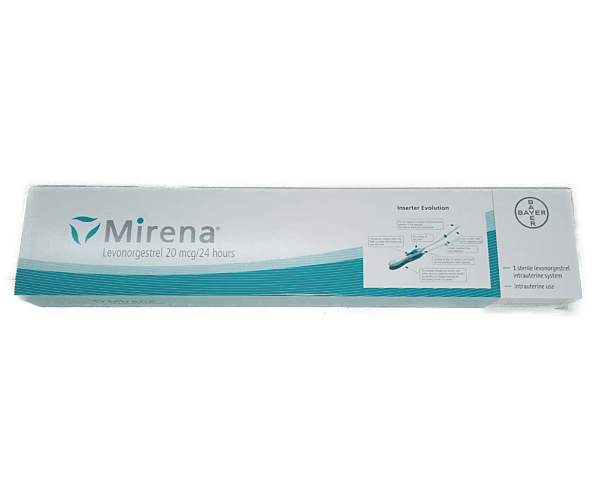
Mirena is a hormonal intrauterine device (IUD) that provides long-term and reversible birth control. It is a small, T-shaped plastic frame that is placed inside the uterus by a doctor. The device contains levonorgestrel, a type of progestin hormone. Mirena is effective for up to eight years for pregnancy prevention. It is also FDA-approved to treat heavy menstrual bleeding for up to five years. This makes it a dual-purpose option for many women. Because it is reversible, your fertility can return to normal soon after removal.
How does Mirena work?
Mirena works by slowly releasing the hormone levonorgestrel directly into the uterus. This hormone acts locally to prevent pregnancy in several ways. It thickens the mucus in your cervix. This makes it difficult for sperm to enter the uterus and reach an egg. It also thins the lining of your uterus. This makes it harder for a fertilized egg to implant. For some women, Mirena may also prevent the ovaries from releasing an egg. Because the hormone works mainly in the uterus, less of it gets into your bloodstream compared to birth control pills.
Who is Mirena for?
Mirena is designed for individuals seeking a highly effective, long-term, and reversible form of contraception. It is an excellent choice for those who want a “set-it-and-forget-it” method. You do not need to remember a daily pill. It is also suitable for people who want to avoid estrogen-based birth control. Mirena is also for women who suffer from heavy menstrual bleeding. It can significantly reduce monthly blood loss. Per Israeli health regulations, Mirena is prescribed for those assigned female at birth. Your doctor will help decide if it is right for you, including if you have or have not had children.
Dosage and administration
Mirena is a single device that is inserted into the uterus by a qualified healthcare professional. This procedure is done during a routine office visit. The insertion itself usually takes only a few minutes. You may feel some cramping during and shortly after placement. Once inserted, there is no daily or monthly dosage to remember. The device releases a constant low dose of hormone every day. Your provider will teach you how to check the threads to ensure it is in place. Removal is also a simple in-office procedure performed by your doctor.
Side effects
Mirena may cause side effects, although many users experience none or only mild ones. The most common side effect is a change in your period. This can include spotting, irregular bleeding, or lighter periods. Some women stop getting their period altogether. Other common effects include cramping, headaches, breast tenderness, and acne. These often decrease after the first few months. More serious but rare risks include expulsion (the device falling out), perforation of the uterus during placement, and pelvic inflammatory disease (PID). Contact a doctor if you have severe pain or unusual symptoms.
Why buy from IsraelPharm?
IsraelPharm provides a reliable and convenient way to source your medications like Mirena at competitive prices. We are a licensed pharmacy committed to high standards of safety and care. Our team ensures that all medications are authentic and sourced from reputable manufacturers. Shopping online with us is simple and secure. We offer discreet packaging and shipping directly to your home. Our customer service team is available to help with your order. Trust IsraelPharm for your health needs, combining professional expertise with the ease of online access.
‘
Common Side Effects
These effects are more common and may lessen over time:
- Changes in bleeding patterns (spotting, irregular periods, or no periods)
- Ovarian cysts (small fluid-filled sacs on the ovary)
- Abdominal or pelvic pain and cramping
- Headaches or migraines
- Acne or other skin problems
- Breast tenderness or mood changes
Serious Side Effects
Contact your healthcare provider immediately if you experience any of the following:
- Signs of a serious pelvic infection, such as severe pelvic pain, fever, or unusual vaginal discharge.
- Perforation, where the device may embed in or go through the wall of the uterus.
- Expulsion, where the device comes out of the uterus on its own.
- Symptoms of an ectopic pregnancy, like severe one-sided abdominal pain.
This is not a complete list. Always consult your doctor for medical advice about side effects.
‘
Mirena is a hormonal intrauterine device (IUD) used for:
- Long-term pregnancy prevention for up to 8 years.
- Treating heavy menstrual bleeding (heavy periods) for up to 5 years in women using an IUD.
It provides a reversible form of contraception. Your ability to get pregnant returns to normal after the device is removed by a healthcare provider.


 Her Essentials Pack
 Women's Hormone Support Pack