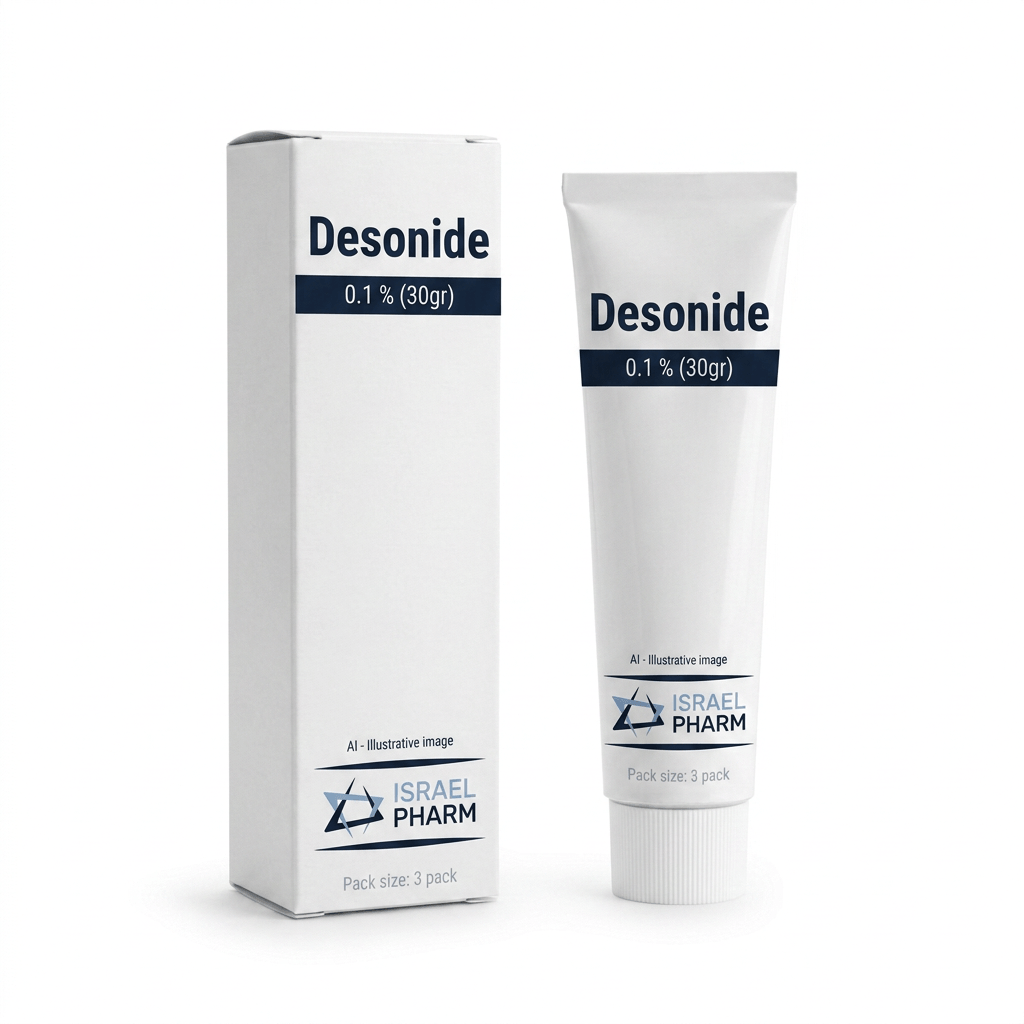
What is Desonide?
Desonide is a low-potency topical corticosteroid medication used to treat various inflammatory skin conditions. It is primarily prescribed to reduce symptoms like redness, swelling, itching, and discomfort associated with conditions such as eczema, dermatitis, psoriasis, and allergic reactions. Available in forms like cream, ointment, gel, and lotion, it provides a gentle yet effective treatment option suitable for sensitive skin areas and for use in both adults and children, as directed by a doctor.
How does Desonide work?
Desonide works by suppressing the body’s inflammatory response in the skin. As a corticosteroid, it mimics the natural anti-inflammatory hormones produced by the adrenal glands. When applied to the skin, Desonide activates substances within the skin cells that inhibit the production of inflammatory chemicals like prostaglandins and leukotrienes. This action constricts the blood vessels in the affected area, leading to reduced swelling, redness, and itching, allowing the skin to heal.
Who is Desonide for?
Desonide is for adults and children who need treatment for inflammatory skin conditions that are responsive to corticosteroids. This includes individuals diagnosed with atopic dermatitis (eczema), seborrheic dermatitis, contact dermatitis, and certain types of psoriasis. Because it is a mild or low-potency steroid, it is often considered a suitable option for patients with sensitive skin, for application on the face or other thin-skinned areas, and for children, when prescribed by a healthcare professional.
Dosage and administration
The dosage and administration of Desonide depend on the specific condition being treated and the patient’s age and response. Typically, a thin film of Desonide cream, ointment, or lotion is applied to the affected area of the skin two to three times daily. The area should be clean and dry before application. It is important to rub the medication in gently and thoroughly. Desonide should only be used for the duration prescribed by your doctor to avoid potential side effects from overuse.
Side effects
Most people using Desonide experience no side effects, but some may occur, especially with long-term use or application over large areas of skin. Common side effects at the application site include mild burning, stinging, itching, or redness when the medication is first applied. Less common effects can include skin thinning (atrophy), stretch marks, acne-like bumps (steroid acne), or changes in skin color. If you experience severe irritation or signs of a skin infection, contact your doctor.
Why buy from IsraelPharm?
Purchasing your Desonide from IsraelPharm ensures you receive a genuine, high-quality medication from a trusted and reliable source. We are dedicated to making healthcare more accessible and affordable, offering competitive pricing on a wide range of prescription drugs. Our streamlined online ordering process is simple and secure, and our knowledgeable customer service team is available to assist you with any questions, providing a safe and convenient way to manage your treatment needs.
When using Desonide, some patients may experience side effects, which are typically mild and occur at the site of application. It’s important to monitor your skin’s reaction. Possible side effects include:
- Burning, stinging, or irritation upon application
- Redness or itching
- Dryness or peeling of the skin
- An acne-like rash (steroid acne)
- Worsening of the skin condition
More serious side effects are rare but can occur with overuse or long-term application. Contact your doctor if you experience severe or persistent side effects.
Desonide is indicated for the relief of the inflammatory and pruritic (itchy) manifestations of corticosteroid-responsive dermatoses. This includes a variety of skin conditions, such as:
- Atopic dermatitis (eczema)
- Contact dermatitis
- Seborrheic dermatitis
- Allergies and skin rashes
- General skin inflammation, redness, and swelling