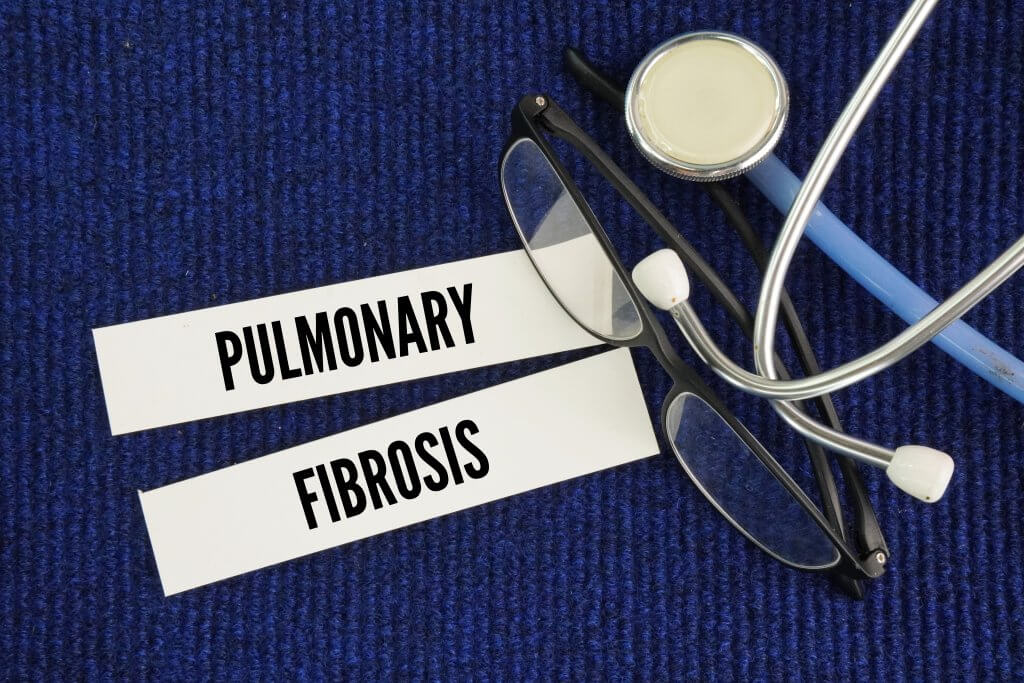
Idiopathic Pulmonary Fibrosis (often referred to as IPF) is a condition characterized by pulmonary hypertension, in which the lungs become scarred, and breathing becomes increasingly difficult. The main treatment is the drug Ofev (generic name: nintedanib), and while not a cure for IPF, Ofev can increase life expectancy, improve survival rates, and enhance quality of life.
Patients with IPF develop a chronic, progressive, and irreversible decline in lung function, with no current cure available. The term ‘idiopathic’ indicates that there is no clear indication of what causes the scarring. IPF affects about five million people around the world, occurring more often in males than in females.
The disease is usually diagnosed primarily in people in their 60s and 70s and the average life expectancy following diagnosis is around four years. Ofev is designed to slow the rate of lung function decline in patients with systemic sclerosis associated with interstitial lung disease, thereby increasing life expectancy.
What is the primary function of Ofev?
Ofev belongs to the TKI group of drugs (tyrosine kinase inhibitors) that block tyrosine kinase enzymes. These enzymes are required to send growth signals inside cells. Nintedanib works to inhibit the fibroblast growth factor receptor (FGFR), which is thought to be implicated in the pathogenesis of fibrosis and IPF. In phase III trials, nintedanib reduced the decline in lung function by approximately 50% over one year, according to Springer Nature.
Ofev was approved by the US Food and Drug Administration in October 2014 and was also authorized in January 2015 in Europe.
How is life expectancy improved with Ofev?
In the case of patients with IPF, the targeted effect in treating idiopathic pulmonary fibrosis is to reduce the rate of progression of the disease by preventing the spread of fibrosis and thus improve survival rates beyond the untreated rate of morbidity.
Treatment with Ofev is designed to slow the progression of the disease and improve quality of life. Although it does not halt the progress completely, studies have shown that it effectively reduces the spread of fibrosis. In phase III trials over one year, nintedanib reduced the decline in lung function by approximately 50%. This has the long-term effect of extending life expectancy when compared to untreated cases, with one study by BMJ showing an average survival rate of nine years.
Summary: Does Ofev really increase life expectancy?
Although there is no cure for idiopathic pulmonary fibrosis, treatment with Ofev will both extend life expectancy and improve the quality of life for those who suffer from this condition. In order to improve survival, it is essential to get an early diagnosis and start treatment with Ofev as soon as possible.
FAQs
What are the side effects of Ofev?
Diarrhea is the most common side effect, affecting most patients in clinical trials. Others include nausea, liver enzyme changes, and decreased appetite. Serious risks include liver injury and bleeding. Taking Ofev with food can help reduce stomach-related side effects.
Can I stop taking Ofev if I feel better?
No, don’t stop without talking to your doctor first. Ofev doesn’t reverse existing lung damage; it slows further decline. Feeling stable doesn’t mean the underlying disease has stopped progressing, and stopping treatment may allow it to advance faster.
Does Ofev require regular monitoring?
Yes. Your doctor will typically monitor liver function through regular blood tests, since Ofev can affect liver enzymes. Lung function tests are also used periodically to track how well the medication is working and whether adjustments are needed.
Who is a candidate for Ofev?
Ofev is approved for adults with IPF, as well as certain other chronic fibrosing interstitial lung diseases and systemic sclerosis-associated ILD. Your doctor will confirm eligibility based on your specific diagnosis, lung function tests, and overall health.
How does Ofev compare to other treatments for IPF?
Ofev is one of two FDA-approved antifibrotic medications for IPF, alongside Esbriet (pirfenidone). Your doctor will help determine which option fits best based on your condition, tolerance, and other health factors.