What You’ll Learn
- How heat, humidity and improper storage can affect medication safety and effectiveness.
- Which medicines require refrigeration and which should be stored at room temperature.
- Practical tips for protecting medications during summer travel.
During the summer, it’s important to know how to store medications safely to protect their effectiveness and prevent poisoning accidents. A government study found that medication storage practices fell short in many households. Certain medications can break down or lose their strength faster when stored in very hot or cold conditions. Besides temperature, factors like light exposure, humidity, and storage containers can also impact medications.
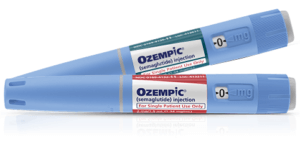
Each type of medication reacts differently to temperature changes, so there is no one-size-fits-all approach to finding the right temperature for keeping your medicines safe. For example, prescription biologics like Ozempic and Mounjaro will lose effectiveness quickly if left at room temperature. On the other hand, most medications will break down if they are unnecessarily refrigerated.
Best practices for keeping your medicines safe in the summer
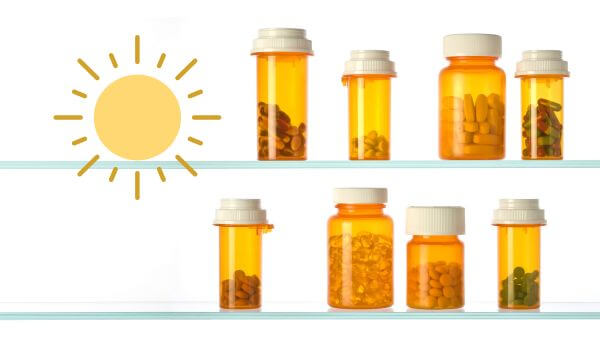
When choosing a good spot for your medications, start with checking the packaging for the recommended storage temperature. It’s best to store non-refrigerated medications in a cool, dry place, like a kitchen cabinet, away from heat sources like an oven. Despite its name, the bathroom medicine cabinet can become very humid from showers and baths, so it is less ideal for medication storage.
Some medicines, like hormone injections for IVF and unopened insulin vials, need to be kept in the fridge. Keep them in the main compartment, away from the door and cooling vents. There are a few medications, like vaccine injections, that need to be frozen. However, most medicines don’t need refrigeration at all and can actually be harmed by the changing temperatures in home fridges. They might even freeze and get damaged by ice crystals. Only put medicines in the fridge if they say, “Refrigerate, do not freeze.” If you’re unsure, ask your pharmacist.
Expert hacks for storing your medication
While no one rule governs storage for all kinds of medication, there are some tips and tricks that can help you keep most medicines at an appropriate temperature:
- Keep your medicines in a cool, dry location away from heat sources (like ovens and hot water tanks) to prevent heat or moisture damage to your medication.
- Remove the cotton ball from the bottle as it can draw in moisture.
- Damaged medicine may make you sick. Do not take:
- Medication that has altered in color, texture, or odor, regardless of its expiration date.
- Pills that clump are harder or softer than usual or show cracks or chips.
- If you’re unsure of the temperature your medication should be kept at, ask your pharmacist for clarification.
Traveling with medications in hot weather
Traveling with medications can be tricky, depending on how you travel and how long you’ll be on the road. It’s best to keep your medications in a carry-on or personal bag that stays with you and is kept in a controlled climate. Avoid leaving them in checked luggage or in a car overnight. Prescription drugs should stay in their labeled containers, and OTC meds should remain in their original packaging to protect them from the weather and other elements.
Taking medication in the car
When traveling by car, avoid storing medication in the glove compartment or trunk, including within luggage. For medications requiring refrigeration, such as certain liquid drugs or injectables, place them in an insulated lunch bag with a freezer pack.
Taking medication on an airplane
Air travelers often ask if they can bring their prescription medication with them, and the answer is yes, but there are some things to keep in mind. First and foremost, be aware that what may be legal and prescribed in the United States may be illegal in other countries. Always check with a travel doctor if you can bring your medication into the country you are traveling to. In the USA, you don’t need to show your medication to security or tell them about it unless it’s in liquid form. It’s recommended to place medications in your carry-on in case you need them during the flight. Many travelers bring a small cooler bag with their own TSA-approved ice pack. If that’s not an option, or the flight is much longer than an ice pack lasts, ask the flight attendant for some ice in a sick bag as a quick and easy ice-pack replacement!
Keeping medication in a hotel room
If your medication requires refrigeration, ensure that your hotel room has a refrigerator prior to booking. You might need to call the hotels beforehand to confirm this. When you arrive, check the fridge’s temperature and understand how it works. Some hotel fridges don’t get cold enough for biological medications and may have an energy-saving mode that turns them off after a few hours or if you leave the room and take the key card out of its slot. Bringing a cooler or having bags ready for ice are good backup ideas.
Key Takeaways
- Heat and moisture can damage medications, potentially reducing their effectiveness even before the expiration date.
- Storage requirements vary between products. Always check the label rather than assuming that refrigeration is best.
- Avoid leaving medications in hot cars, direct sunlight or humid bathrooms, and take extra precautions when traveling with temperature-sensitive prescriptions.
FAQs
How can you tell if medication has gone bad?
Check the expiration date printed on the label, usually after “EXP.” Medication can also degrade before that date if stored improperly. Watch for changes in color, texture, or smell. If a liquid medication has been left out of the fridge too long, contact the manufacturer or discard it and get a fresh supply.
Can medication be stored in the bathroom cabinet?
It’s not ideal. Despite the name, bathroom medicine cabinets are often too humid from showers and baths, which can degrade medication over time. A cool, dry spot like a kitchen or bedroom drawer, away from heat sources, is a better choice for most non-refrigerated medications.
Which medications need to be refrigerated?
Biologics, unopened insulin, and many injectable medications, including Ozempic, Mounjaro, Wegovy, and Saxenda, need refrigeration. Only refrigerate items labeled with “Refrigerate, do not freeze” as most medications don’t need it and can actually be damaged by a home fridge’s fluctuating temperature. When in doubt, ask your pharmacist.
How do you store medication while camping?
A refrigerator in your camping trailer is easiest. Without one, plug-in coolers work in milder weather, or use a standard cooler with ice, replacing it regularly and monitoring the temperature. Check ahead whether your campground sells ice, or plan to bring extra with you.
What temperature should medications be stored at?
Most oral medications are stable between 68–77°F, but always check the label for specifics. Outside that range, medications can start to break down faster. Some, like biologics and unopened insulin, require refrigeration instead — check packaging or ask your pharmacist if you’re unsure.

Saul Kaye - Founder & CVO IsraelPharm
Saul is a licensed pharmacist and the founder of IsraelPharm. He reviews all medical and pharmaceutical information that is published by IsraelPharm for accuracy. For more information on Saul's qualifications or how we conduct our reviews, please see our medical review policy.