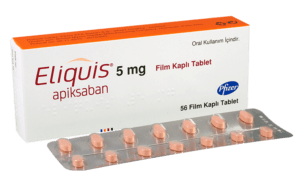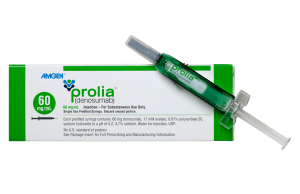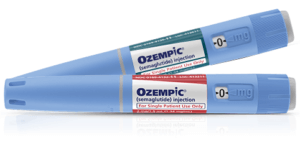
 Receiving a prescription from your doctor should be the start of a solution, but for many Americans, it is the beginning of a new problem: the staggering cost. You may have good healthcare insurance, only to find that your new prescription for a high-tier medication comes with an out-of-pocket expense that feels unmanageable. This experience is increasingly common, leaving patients feeling stressed and questioning how to afford the treatment they need. For those who are uninsured or underinsured, the challenge is even greater, often making essential medications seem completely out of reach.
Why your insurance does not equal assurance
Having health insurance doesn’t guarantee affordable access to the medications you need. Insurers create a formulary list, which is a list of drugs they agree to cover. However, this list is often divided into tiers, and drugs placed in higher tiers come with significantly higher costs for the patient. This system is designed to minimize costs for the insurance company, not necessarily to provide the best treatment for you.
- Formulary tiers: Lower-tier drugs are typically generics and have the lowest co-pay. Higher-tier drugs are often brand-name or specialty medications with much higher patient costs. Insurers place drugs on high tiers to discourage their use and push patients toward cheaper alternatives.
- Coverage changes: An insurer can change its formulary at any time. A medication that was covered last year might be moved to a higher tier or dropped entirely this year, leading to unexpected and substantial price increases.
- Profit over patients: The US healthcare system operates as a for-profit enterprise. Insurance coverage decisions are driven by financial calculations and negotiations with pharmaceutical companies, not by what your doctor has determined is the optimal treatment for your condition.
The high cost of high-tier medication in the US
The price of prescription drugs in the United States is famously the highest in the developed world, often two to three times more expensive than the exact same medications in countries like Canada, Australia, or throughout Europe. Research shows that nearly one in three Americans does not fill their prescriptions due to cost. This barrier affects everyone, including those with commercial insurance, Medicare, and especially the uninsured or underinsured.
Even a “good” insurance plan can feel inadequate when you are prescribed a high-tier medication. Plans may impose high deductibles you must meet before coverage kicks in, or your co-pay might be hundreds of dollars per month. For many, these costs are unsustainable, forcing them to choose between their health and other essential expenses. This financial strain is a direct result of a system where medication prices are not regulated in the same way as in other countries.
A practical solution for affordable access
When your own healthcare insurance puts essential medication out of reach, it’s important to know that other options exist. IsraelPharm offers a direct and reliable way to access affordable brand-name medications. By sourcing medications from a licensed international pharmacy, you can bypass the restrictive and costly framework of the US insurance system.
- Significant cost savings: Medications sourced through IsraelPharm are priced significantly lower than US medication prices. For brand-name drugs, these savings can mean the difference between affording treatment and going without. Often, the full price through IsraelPharm is less than a patient’s co-pay in the US.
- Legitimacy and safety: IsraelPharm is a licensed international pharmacy that operates under strict governmental oversight. It functions just like a regular pharmacy, requiring a valid prescription from your doctor for all prescription medications. Your physician’s oversight of your treatment remains completely unchanged.
Ensuring treatment continuity and convenience
For chronic conditions, consistent access to your medication is not just a convenience; it is a clinical necessity. Gaps in treatment can lead to poor health outcomes and disease progression. Unfortunately, issues like insurance denials and local drug shortages can disrupt your supply. Sourcing your medication internationally provides a crucial layer of stability to your treatment plan.
 Reliable supply: IsraelPharm helps you avoid treatment gaps by providing a dependable supply of your prescribed medication. You don’t have to worry about a pharmacy being out of stock or an insurance issue delaying your next refill.
- Home delivery: Medications are delivered directly to your home, eliminating the need for frequent trips to the pharmacy. The ordering process is straightforward, and staff can help set up reminders for repeat prescriptions, ensuring you always have your medication when you need it.
Navigating hurdles like prior authorization
Insurers often place additional barriers on expensive medications, with prior authorization being one of the most common. This means your doctor must submit extra paperwork to the insurance company to justify why you need a specific drug. The process can cause significant delays in starting treatment and adds a heavy administrative burden on your healthcare provider. In many cases, these requests are denied, forcing a switch to a less effective drug preferred by the insurer or leaving you to bear the full cost.
How to access high-tier medication through IsraelPharm
When you are faced with high out-of-pocket costs for brand-name medications, it can feel like you have run out of options. Whether your insurance plan offers poor coverage, you have a high deductible, or you are uninsured, affording the medicine you need is a major challenge. IsraelPharm provides a clear, trusted, and affordable pathway to obtaining the exact high-tier medication prescribed by your doctor.
Sourcing your medication through IsraelPharm offers several key advantages. The cost of brand-name drugs is substantially lower than retail US medication prices, creating meaningful savings, especially for long-term treatments. Medications are delivered conveniently and discreetly to your home, removing the stress of managing local pharmacy pickups or dealing with supply shortages. This ensures you have reliable continuity of treatment, which is critical for managing chronic health conditions.
Getting started is a straightforward process. You can visit the IsraelPharm website to check prices and learn more about ordering. A valid prescription from a licensed physician is required for all prescription medications, as IsraelPharm is a licensed international pharmacy committed to safe and regulated practices. Taking control of your medication costs allows you to focus on what matters most—your health.
Further reading
- Prescription Drug Prices in the U.S.: An International Comparison: HHS Office of the Assistant Secretary for Planning and Evaluation
- Trends in Prescription Drug Spending: Peterson-KFF Health System Tracker
- Health Insurance Information: MedlinePlus
- How to Order Medication From Israel: IsraelPharm
- U.S. Drug Prices vs. The World: IsraelPharm Blog
Frequently asked questions
What is a high-tier medication?
A high-tier medication is a drug that insurance companies place in a more expensive category on their formulary, or list of covered drugs. These are typically brand-name or specialty drugs that do not have a generic equivalent, and US medication prices are being set by the manufacturer. Because they are on a high tier, patients are required to pay a much larger portion of the cost through higher co-pays or co-insurance. This practice is used by insurers to encourage patients and doctors to choose less expensive, lower-tier alternatives whenever possible.
Why are US medication prices so expensive even with insurance?
Even with insurance, a medication can be expensive due to several factors. Your plan may have a high deductible that you must pay out-of-pocket before coverage begins. The drug may be on a high formulary tier, meaning you have a large co-pay. Additionally, some plans have co-insurance, where you pay a percentage of the drug’s total cost, which can be substantial for expensive medications. Insurers use these methods to shift a larger portion of the drug costs onto the patient to protect their own profits.
What does prior authorization mean for my prescription?
Prior authorization is a requirement from your insurance provider that your doctor must obtain approval before they will agree to cover a specific medication. Your doctor has to submit additional justification explaining why the prescribed drug is medically necessary. This process can be triggered by US medication prices, and is slow, sometimes taking weeks, and there is no guarantee of approval. It creates a significant delay in starting treatment and can result in coverage being denied, forcing you to either appeal, switch medications, or pay the full price out-of-pocket.
Is it safe to source medications from an international pharmacy?
Yes, it is safe when you use a licensed and regulated pharmacy. A legitimate international pharmacy like IsraelPharm operates under strict government health regulations, similar to those in the US. They require a valid prescription from your doctor and dispense the same authentic, brand-name medications you would receive locally. This ensures that your treatment is not compromised. Sourcing from a credentialed international pharmacy is a recognized way to access affordable medications, but it is important to choose a reputable source.
How do US medication prices compare to other countries?
Prescription drug prices in the United States are significantly higher than in any other developed nation. Studies consistently show that US prices for brand-name drugs are, on average, two to three times higher than in countries like Canada, the United Kingdom, and Australia. This is because most other countries have government regulations or negotiations that control drug prices to keep them affordable for their citizens. The US system, by contrast, allows pharmaceutical companies to set their own prices, leading to a heavy financial burden on patients.
Glossary
Co-pay: A fixed amount you pay for a prescription medication after your deductible has been met.
Deductible: The amount of money you must pay out-of-pocket before your health insurance begins to pay.
Formulary: A list of prescription drugs that are covered by a specific health insurance plan.
Prior authorization: A process required by some insurance companies to get approval before they will cover a specific medication.
Step therapy: A type of prior authorization where a patient must try a cheaper medication before the insurer will cover a more expensive one.
Underinsured: Having health insurance that does not provide adequate financial protection, leading to high out-of-pocket costs.