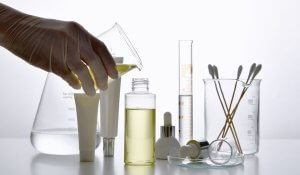
 If you follow dermatology, you’ve likely noticed a significant shift in the skincare market over the past decade. It used to be a world neatly divided into two camps: cosmetic products focused on beauty and therapeutic treatments for medical conditions. Today, those lines are increasingly blurred. Beauty brands now speak the language of science, discussing inflammation and clinical outcomes, while many therapeutic brands have adopted the marketing tactics of the beauty industry, from social media influencers to direct-to-consumer sales.
The new world where beauty meets medicine
This convergence creates a confusing picture for anyone trying to manage their skin health. On one hand, it signals a more educated consumer base interested in the science behind their products. On the other, it makes it difficult to distinguish between marketing claims and genuine clinical efficacy. A striking example of this trend is the recent transformation of the American Academy of Dermatology (AAD) Annual Meeting.
For decades, this event was a formal gathering of physicians, researchers, and pharmaceutical companies focused on the future of skin health. The exhibit hall was dominated by device manufacturers and established dermacosmetic skincare brands with deep roots in dermatological research. Today, the atmosphere feels different. It’s not uncommon to see booths from social media-famous brands that look more suited to a beauty convention, complete with experiential activations and branded merchandise, right next to presentations on new treatments for serious skin diseases.
The search for scientific credibility in a crowded skincare market
So, what’s driving this change? For many newer consumer brands, a presence at a major dermatology conference like the AAD offers a powerful form of validation. In an incredibly saturated skincare market, where social media influence is fleeting and consumer skepticism is high, brands are seeking a more durable signal of trust. This has been called the “white coat glow”—the idea that proximity to physicians and scientific settings lends credibility to a product.
This has led to a marketplace where “scientific credibility” has become a valuable marketing tool. Terms like “dermatologist-approved” or “dermatologist-recommended” are used to give products a medical halo, but these phrases are largely unregulated and can mean very different things. It’s a significant challenge for consumers to determine whether a product is backed by rigorous, independent research or is simply borrowing the language of science for a marketing advantage.
Legacy brands and the new guard
There is a notable difference between the established players and the new wave of skincare brands. Legacy names that are recognized as quality brands have a long history of investing in research and development. Their presence at medical conferences is often seen as an extension of their decades-long commitment to engaging with dermatologists and contributing to the scientific conversation. They have traditionally built their reputations on clinical studies and dermatologist partnerships.
In contrast, many newer brands achieve popularity through viral trends on platforms like TikTok and Instagram. While some of these companies do invest in clinical testing, their primary expertise is often in marketing and aesthetics. Their appearance in historically scientific spaces is reshaping the industry, sparking a debate about whether this evolution reflects how patients engage with skin health today or represents the commercialization of dermatology’s most important scientific gatherings.
Dermatologists as influencers
 Complicating this landscape is the rise of the “derm-influencer.” Social media has enabled physicians to become public educators and content creators, reaching millions of people outside the clinic. For skincare brands, these dermatologists offer a unique combination of medical authority and influencer reach. However, this also raises questions about transparency and potential conflicts of interest.
Many experts express concern that social media fame can be mistaken for deep clinical experience. It can be difficult for a consumer to distinguish between a dermatologist providing objective educational content and one who is paid to promote a product. The key challenge, as some physicians note, is to maintain professional standards and ensure that any recommendation made online is the same one they would make in a private medical setting, free from sponsorships.
How to find trustworthy guidance for skin care
When skin health is treated as a lifestyle trend, it becomes difficult to separate marketing from medicine. The responsibility falls on consumers to be critical of the information they encounter. It is important to remember that your dermatologist or healthcare provider is the best source of advice for your specific skin health needs. It is always best to discuss any new treatments or changes to your regimen with them first.
For those managing chronic skin conditions, distinguishing between a cosmetic product and a proven therapeutic medication is essential. This is where the role of a licensed pharmacy becomes crucial. Organizations like IsraelPharm, for example, operate under strict regulatory oversight and are staffed by pharmacists who understand the distinction between regulated medicines and heavily marketed consumer brands. They provide a reliable channel for accessing prescribed treatments, ensuring that patients receive the exact medication their doctor intended, rather than a less-regulated, prescription-adjacent alternative.
How to avoid the commercialization of dermatology through IsraelPharm
Navigating the confusion caused by the commercialization of dermatology requires relying on trusted, regulated sources for your medical needs. When your doctor prescribes a medication for a specific skin condition, the priority is to ensure you receive that exact treatment without substitution or delay. IsraelPharm helps patients stick to their prescribed treatment plan with confidence.
Securing your medication through a licensed international pharmacy offers several clear advantages. IsraelPharm provides access to a wide range of branded medications, ensuring you get the precise product your physician prescribed. For those on long-term treatment protocols, this provides crucial continuity of care, removing the uncertainty of chasing local stock. Most importantly, it reinforces the separation between medical treatment and consumer trends.
As a licensed international pharmacy, IsraelPharm operates under stringent health ministry oversight, and all orders are dispensed by licensed pharmacists. A valid prescription from a licensed physician is required for any prescription medication, ensuring that your doctor remains at the center of your healthcare decisions. This commitment to legitimacy provides a clear path forward for your treatment.
Further reading
- Is It a Cosmetic, a Drug, or Both? (Or Is It Soap?): FDA
- Skin care: An evidence-based guide for your 20s: American Academy of Dermatology
- Understanding Evidence-Based Medicine: Johns Hopkins Medicine
- Eczema Causes & Triggers: IsraelPharm Blog
- Psoriasis 101: IsraelPharm Blog
Frequently asked questions
What is the difference between cosmetic and therapeutic skincare?
Cosmetic skincare is designed to cleanse, beautify, promote attractiveness, or alter the appearance without affecting the body’s structure or functions. Therapeutic skincare, which often includes prescription medications, is intended to diagnose, cure, mitigate, treat, or prevent a disease. The key distinction lies in the product’s intended use and the clinical evidence required to support its claims. Therapeutic products undergo rigorous testing and are regulated by bodies like the FDA to prove they are safe and effective for treating a medical condition.
How has the skincare market changed for consumers?
The skincare market has become a blend of beauty, wellness, and medicine. Consumers are now faced with “masstige” products, dermacosmetics, and prescription-adjacent items that use medical-sounding language. While this has led to more ingredient-aware shoppers, it also creates confusion. Social media influencers and direct-to-consumer marketing have made it harder to distinguish between professionally vetted advice and promotional content. This shift requires consumers to be more critical about the sources of their information and the evidence behind product claims.
What does ‘dermatologist-recommended’ actually mean?
The term ‘dermatologist-recommended’ is not a regulated certification and can mean different things. It might mean that a single dermatologist recommends it, that a paid group of dermatologists endorse it, or that the brand surveyed dermatologists about their preferences. It does not automatically mean the product has undergone extensive clinical trials or is superior to other products. While it can be a helpful starting point, it is not a substitute for speaking with your own doctor or looking for products backed by independent, peer-reviewed research.
Why is scientific credibility so important for skincare products?
Scientific credibility is crucial because it provides proof that a product is both safe and effective for its stated purpose. This credibility is established through rigorous, controlled clinical trials that are often peer-reviewed and published. For anyone using a product to manage a medical skin condition, scientific evidence ensures that the treatment can be relied upon to work as intended and that its risks are well understood. Without it, you are relying solely on marketing claims, which may not be verified or trustworthy.
How can I ensure I’m using a product with proven clinical benefits?
The most reliable way to ensure a product has proven benefits is to use treatments prescribed by your healthcare provider. Prescription medications are approved by regulatory agencies based on extensive clinical data. For over-the-counter products, look for brands that are transparent about their research and publish their clinical studies. Consult your dermatologist for recommendations, and be wary of claims that seem too good to be true. Relying on trusted medical professionals and licensed pharmacies helps separate evidence-based care from marketing.
Glossary
Aesthetics: A branch of philosophy dealing with the nature of beauty, art, and taste, often used in dermatology to refer to appearance-focused treatments.
American academy of dermatology (AAD): The largest organization of dermatologists in the United States, providing education and advocacy for the specialty.
Cosmetic: A product intended to be applied to the human body for cleansing, beautifying, promoting attractiveness, or altering the appearance.
Dermacosmetic: A product that combines cosmetic properties with dermatological benefits, often containing active ingredients that aim to improve skin health.
Prescription-adjacent: A product that is not a prescription but is marketed with scientific-sounding claims to appear as if it has similar efficacy.
Scientific credibility: The quality of being believable and trustworthy, based on evidence derived from systematic scientific testing and research.
Therapeutic: A treatment, therapy, or drug intended to heal or cure a disease or medical condition.