 The symptoms of menopause, during which women can feel physical and emotional discomfort, are often blamed entirely on declining levels of estrogen, but the hormone imbalance behind the symptoms is more complicated. In the years leading up to menopause, levels of progesterone drop faster and further than estrogen. The gap between the two is what most women actually feel. This article explains what is changing during perimenopause and menopause. It looks at why estrogen dominance is more accurate than estrogen deficiency, and where bioidentical hormone therapy fits in.
Estrogen got the focus. Progesterone did the damage.
For years, doctors checked blood estrogen levels, told women their labs looked normal, and sent them home. The labs were not wrong. They were just focusing on a small part of the larger picture. Progesterone production was dropping faster than estrogen production. The imbalance between the two blood levels caused broken sleep, anxiety, heavy periods, and brain fog. Replacing estrogen alone, without addressing the lower progesterone level, misses half the problem.
What is changing during perimenopause and menopause
Perimenopause is the three to ten years before periods stop. The ovaries do not switch off cleanly. They sputter. Some months, they ovulate. Some months, they do not.
The clinical picture is shaped by two hormones, not one:
- Estrogen production by the ovaries drops roughly forty to fifty percent across perimenopause.
- Progesterone production drops roughly eighty to ninety percent over the same window.
Estrogen levels decline. Progesterone levels collapse. The ratio between the two blood levels shifts long before estrogen on its own reaches the low values of post-menopause.
Why progesterone production drops faster than estrogen
Progesterone comes from a structure called the corpus luteum. After ovulation, the follicle that released the egg converts into the corpus luteum and produces progesterone for about two weeks. If a woman does not ovulate that month, there is no corpus luteum and very little progesterone is made.
After roughly two decades of full fertility, with regular periods, more and more cycles happen without ovulation. Fewer ovulations mean lower progesterone production, which makes the next anovulatory cycle more likely. The system feeds on itself. Estrogen, by contrast, is still produced by developing follicles in lower and more erratic amounts even when ovulation has stopped.
Estrogen dominance is really a progesterone story
The term estrogen dominance is confusing. It does not mean the estrogen level in the blood is high. It means the estrogen level is high relative to the progesterone level. A woman can have a declining blood estrogen level and still feel the effects of estrogen dominance. The reason is that her progesterone level has dropped further.
Symptoms of this relative imbalance are the same symptoms women describe in perimenopause and menopause:
- Irregular and heavy periods.
- Hot flashes and night sweats.
- Vaginal dryness and discomfort during sex.
- Sleep disturbance and insomnia.
- Anxiety, irritability, and low mood.
- Weight gain around the abdomen, hips, and thighs.
- Bloating and fluid retention.
- Brain fog and trouble concentrating.
- Headaches and fatigue.
A woman whose labs come back “normal” at forty-four is often technically correct and clinically useless. The ratio is the story.
Where bioidentical hormone therapy fits in 
Hormone replacement therapy replaces the estrogen, and sometimes progesterone, that the ovaries no longer make. Bioidentical hormone therapy, often abbreviated BHRT, is a category within HRT.
The word bioidentical means the hormone molecule is chemically identical to the one the body makes. Cleveland Clinic notes that these hormones are derived from plant sources. They are processed in a lab to match the structure of human hormones. Estradiol is the bioidentical form of estrogen used in most current products. Micronized progesterone is the bioidentical form of progesterone.
Two categories often get blurred:
- FDA-approved bioidentical hormones. Estradiol patches, gels, sprays, and oral micronized progesterone. Tested, regulated, and dose-consistent.
- Compounded bioidentical hormones. Custom-mixed by compounding pharmacies. The MGH Center for Women’s Mental Health notes that these products are not FDA-tested for purity, dose, or safety. No randomized trials show them to be safer than the approved versions.
A woman asking for “bioidentical” HRT often does not realize her options. She can have bioidentical hormones with regulatory oversight, dose accuracy, and decades of trial data.
Why progesterone matters when estrogen is replaced
Adding estrogen alone in a woman who still has her uterus raises the risk of endometrial cancer. Adding a progestogen alongside the estrogen protects the uterine lining. This is the central reason combined HRT exists. Women who have had a hysterectomy generally do not need a progestogen and can be prescribed estrogen-only therapy.
The choice of progestogen also influences safety. Bioidentical micronized progesterone is the closest match to the body’s own molecule. Synthetic progestogens such as norethisterone carry a slightly different side-effect pattern.
How bioidentical estradiol is delivered
Estradiol is the hormone shared by the bioidentical patches, gels, and sprays prescribed today. The delivery route affects how the drug enters the bloodstream and the risk profile:
- Transdermal patches. Applied to the lower abdomen or upper buttock, releasing estradiol through the skin. The hormone bypasses the liver on first circulation, which lowers clot risk compared with oral estrogen.
- Topical gels. A measured pump applied to the inner arm once a day. Absorbed through the skin like patches.
- Vaginal tablets and inserts. Low-dose estradiol delivered directly to vaginal tissue for dryness, irritation, and painful intercourse. Systemic absorption is minimal.
The decision between routes is a clinical one, weighing symptom pattern, personal risk factors, and patient preference.
Safety, side effects, and what to discuss with a doctor
Modern HRT, including bioidentical hormone therapy, has both benefits and risks. Hot flashes ease. Sleep improves. Bone density is preserved. FDA prescribing information for transdermal estradiol also lists a small increase in the risk of blood clots and stroke. Gallbladder disease and, with long-term use, breast cancer are listed as well.
A woman is generally not a candidate for systemic HRT if she has:
- A history of breast cancer or an estrogen-dependent tumor.
- Active or recent blood clots, stroke, or heart attack.
- Liver disease.
- Unexplained vaginal bleeding.
Common side effects when starting therapy include breast tenderness, headache, nausea, spotting, and mild bloating. Most settle within the first three months. Decisions about whether to start, continue, or change bioidentical hormone therapy belong with a licensed physician who knows the patient.
Comparing the main treatment options for hormone imbalance
The table below sets out the main HRT routes a doctor may discuss with a woman experiencing menopausal hormone imbalance. The choice depends on her clinical profile.
| Treatment | How it works | Pros | Cons | Typical use |
|---|---|---|---|---|
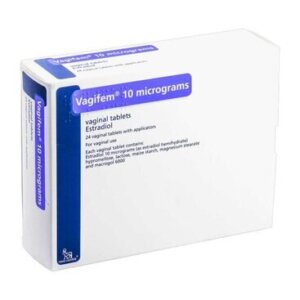
| Vagifem (estradiol) | Low-dose estradiol vaginal tablet inserted into the vagina, where it acts locally on vaginal tissue. Systemic absorption is minimal. | Targets vaginal dryness, irritation, and painful intercourse directly. Low systemic exposure makes it suitable for women who cannot use systemic HRT. Convenient twice-weekly dosing after an initial loading phase. | Does not treat hot flashes, night sweats, or other systemic menopausal symptoms. Insertion routine is not preferred by every patient. Local irritation can occur. | Postmenopausal women whose main complaint is vaginal or urinary tissue change, including those who cannot take systemic estrogen. |
| Estrogel Topical gel (estradiol) | Estradiol gel pumped from a metered applicator and rubbed onto the inner arm once a day. Absorbed through the skin, bypassing the liver. | Flexible daily dose adjustment. The transdermal route carries a lower clot risk than oral estrogen. No adhesive, no patch visible on the skin. | Requires daily application and a wait time before dressing or contact with others. A separate progestogen is needed for women with an intact uterus. Skin transfer to a partner or child is possible if precautions are not followed. | Women who prefer a daily topical option and want the lower clot-risk profile of transdermal delivery. |
| Estradot (estradiol) | A small matrix patch worn on the lower abdomen or buttock, releasing estradiol through the skin. Changed twice weekly. | The smallest of the common patches, generally discreet and well-tolerated. Stable hormone levels across the wear period. Lower clot risk than oral estrogen. | Requires a separate progestogen for women with an intact uterus. Adhesion can be affected by heat, sweating, and prolonged water exposure. Skin reactions at the application site can occur. | Women who want a low-profile patch with fine dose control and prefer a twice-weekly schedule. |
| Estalis (estradiol + norethisterone) | A combined matrix patch delivering both estradiol and the synthetic progestogen norethisterone through the skin. Continuous combined HRT in one product. | One patch delivers both hormones. No separate progestogen tablet. Continuous delivery typically avoids monthly withdrawal bleeds after a settling period. | Fixed hormone ratio limits the ability to fine-tune doses. Irregular breakthrough bleeding is common in the first three to six months. Not suitable for women without a uterus. | Postmenopausal women with an intact uterus who prefer one product over separate estrogen and progestogen items. |
| Estraderm (estradiol) | A reservoir-style transdermal patch that releases estradiol through a rate-controlling membrane. Estrogen-only delivery. | Long-established product with extensive prescribing experience. Steady estradiol release across the wear period. Lower clot risk than oral estrogen. | Larger and more visible than matrix patches. Must not be cut or trimmed. Requires a separate progestogen for women with an intact uterus. | Women who need estrogen-only therapy, typically after hysterectomy, or who pair it with a separately prescribed progestogen. |
How to access bioidentical hormone therapy through IsraelPharm
IsraelPharm is a popular sourcing option for women whose physician has prescribed a bioidentical estradiol product – Vagifem, Estrogel, Estradot, Estalis, or Estraderm. IsraelPharm is a licensed international pharmacy that supplies the named branded medication against a valid prescription. The pharmacy operates under regulatory oversight and ships the exact branded product to the patient’s home. Physician oversight of the treatment plan remains with the prescriber.
Three points are worth emphasizing.
- Access: IsraelPharm stocks branded transdermal estradiol products, including those affected by current US supply disruptions.
- Legitimacy: a valid prescription from a licensed physician is required, and IsraelPharm is a licensed international pharmacy.
- Continuity: HRT is typically a long-term treatment, and a reliable supply from one source removes the need to chase availability. This is especially important at times like these, when demand overload has throttled supplies of HRT products worldwide.
Women interested can review the relevant product pages on the IsraelPharm website. Orders are dispatched as soon as a prescription has been sent.
Further reading
- Bioidentical hormones: an overview of risks, benefits, and what is and is not FDA-approved — Cleveland Clinic.
- What women should know about bioidentical hormone therapy for menopausal symptoms: MGH Center for Women’s Mental Health.
- Menopause and hormone therapy overview for patients: MedlinePlus.
- The 2022 hormone therapy position statement from the menopause specialty body: Endocrine Society.
- Hormone replacement therapy and the changing conversation around safety: IsraelPharm blog.
- Estrogen patch shortage: causes and what to do about it: IsraelPharm blog.
Frequently asked questions
What is bioidentical hormone therapy and how does it differ from older HRT?
Bioidentical hormone therapy uses hormones chemically identical to those the body produces, mainly estradiol and micronized progesterone.
- FDA-approved bioidentical products are tested for purity and dose.
- Compounded versions are mixed by a pharmacy and are not FDA-tested.
- Older HRT often used conjugated equine estrogens, a different molecule.
- Bioidentical hormone therapy is available as patches, gels, sprays, and vaginal inserts.
- A physician decides which form fits the patient.
Can bioidentical hormone therapy help with the symptoms of hormone imbalance in menopause?
Yes. Bioidentical hormone therapy can ease the main symptoms of menopausal hormone imbalance.
- Hot flashes and night sweats typically improve within weeks.
- Sleep quality often improves alongside reduced night sweats.
- Vaginal dryness and painful intercourse respond well to local estradiol.
- Mood and brain fog may improve as hormone levels stabilize.
- Full benefit usually takes about three months.
Is bioidentical hormone therapy safe?
FDA-approved bioidentical hormone therapy has a well-studied safety profile, but it is not risk-free.
- Small increased risk of blood clots, stroke, and gallbladder disease.
- Long-term use may slightly raise breast cancer risk.
- Transdermal routes generally carry lower clot risk than oral.
- Personal history of cancer or clots may rule out treatment.
- Decisions belong with a licensed physician who knows the patient.
Who should not use bioidentical hormone therapy?
Some women are not candidates for bioidentical hormone therapy due to medical history or current health status.
- Personal history of breast cancer or an estrogen-dependent tumor.
- Active or recent blood clots, stroke, or heart attack.
- Active liver disease or significantly impaired liver function.
- Unexplained vaginal bleeding that has not been investigated by a physician.
- Known allergy to any component of the prescribed bioidentical hormone therapy product.
How is bioidentical hormone therapy obtained through IsraelPharm?
IsraelPharm dispenses bioidentical estradiol products to patients holding a valid prescription from their physician.
- The prescription must name the branded product and strength.
- Orders are placed through an account on the IsraelPharm website.
- Shipment is to the patient’s home address.
- The pharmacy stocks branded products, not substitutes.
- Physician oversight of the HRT plan remains with the prescriber.
Glossary
- Anovulatory cycle: A menstrual cycle in which the ovary does not release an egg, resulting in little or no progesterone production that month.
- Bioidentical hormone: A hormone with a chemical structure identical to one the human body produces naturally, manufactured from plant sources in a laboratory.
- Corpus luteum: A temporary structure formed in the ovary after ovulation that produces progesterone during the second half of the menstrual cycle.
- Endometrium: The inner lining of the uterus, which responds to estrogen by thickening and to progesterone by stabilizing.
- Estradiol: The main and most potent form of estrogen produced by the ovaries and the active hormone in most bioidentical hormone therapy products.
- Estrogen dominance: A state in which the blood estrogen level is high relative to the progesterone level, producing symptoms even as estrogen production is declining.
- First-pass metabolism: The processing of an oral drug by the liver before it reaches general circulation, largely avoided by transdermal delivery routes.
- Hormone replacement therapy: Treatment that replaces estrogen, and sometimes progesterone, to ease menopausal symptoms and protect bone density.
- Micronized progesterone: A bioidentical form of progesterone broken into very small particles to improve absorption when taken orally or used vaginally.
- Norethisterone: A synthetic progestogen combined with estradiol in some HRT patches to protect the uterine lining during continuous therapy.
- Perimenopause: The transitional years before menopause, marked by irregular cycles and shifting estrogen and progesterone levels.
- Progestogen: A class of hormones that includes natural progesterone and synthetic versions, used in HRT to protect the uterine lining.
- Transdermal: Delivery of a drug through intact skin into the bloodstream, the route used by patches and gels to bypass the liver.