 Hair loss is widely regarded as a phenomenon that mainly affects men as they age, but there’s no real difference across genders, other than the outward appearance. Receding hairlines and bald scalps are fully visible signs of hair loss in men, but in women it’s more subtle, when hair volume is lost, and the visible hair has lost color and thickness, but can still be fashioned and styled to appear normal. In both men and women, hair loss can happen for a number of reasons, including changes in the body’s hormones due to the passage of years. Other more immediate causes are emotional stress, and the side effects of treatments and medications for other conditions, especially chemotherapy. For women, there are other significant milestones like pregnancy, postnatal changes and menopause that present their own special features that can affect how hair looks and grows.
When hair starts to thin, many women feel confused or even embarrassed. Instead of bald patches that can even be a mark of pride for some men, women often notice less volume, finer strands, or more hair collecting in the brush. Understanding why it happens can make the experience less frightening and easier to discuss with a healthcare provider.
Why hair changes over time
Hair grows in cycles. Each strand grows, rests, then sheds. Hormones, nutrition, stress, and overall health all influence this cycle. When something disrupts the balance, more hairs may shift into the shedding phase at once.
Women may notice:
-
- Thinning across the top of the scalp
- A wider hair part
- Less fullness in ponytails
- Hair that feels finer than before.
Can stress affect women’s hair growth?
Yes. Both emotional and physical stress can push hair into a resting phase called telogen effluvium, leading to increased shedding.
Oxidative stress and hair
Oxidative stress happens when the body has more harmful molecules than protective antioxidants. This imbalance may affect hair follicles.
Common contributors include:
-
- Excess sun exposure
- Air pollution
- Smoking
- Poor diet
- Harsh chemical hair treatments.
A balanced diet rich in vitamins and minerals helps support the body’s natural defenses.
Physical stress from hair styling
-
- Tight hairstyles may cause traction alopecia
- Frequent heat styling can weaken hair shafts
- Rough brushing can lead to breakage.
Gentler styling habits can reduce preventable damage.
Emotional stress
Major life changes, illness, or emotional strain can trigger temporary shedding. Hair often regrows once stress levels settle, though it may take several months.
Pregnancy and hair loss
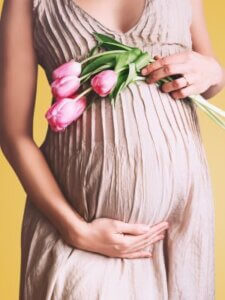
Postpartum hair loss is one of the most common causes of temporary shedding in women. During pregnancy, high estrogen levels keep hair in the growth phase longer. After childbirth, hormone levels drop, and the extra retained hair begins to shed.
This shedding usually:
-
- Begins a few months after delivery
- Peaks around three to four months postpartum
- Improves within a year for most women.
Although alarming, this process is usually temporary.
Breastfeeding and hormonal hair changes
Hormone levels continue to shift during and after breastfeeding. Some women notice changes in hair thickness or shedding during this time. These changes often stabilize once hormones settle.
The menopause connection
Falling estrogen levels during menopause can shorten the hair growth phase and allow more influence from androgens (male-type hormones present in all women). This can contribute to female pattern hair thinning.
Hair may become:
-
- Finer in texture
- Less dense at the crown
- Slower to regrow after shedding.
Medications that may influence hair growth in women
Certain medications used more often by women can affect the hair cycle.
Hormonal birth control
Some forms of birth control and hair loss are linked because hormonal shifts may push hair into a shedding phase, especially when starting or stopping pills.
Fertility treatments
Fertility medications stimulate hormone changes that can temporarily affect hair growth patterns. Fluctuating estrogen and progesterone levels may lead to temporary shedding.
Other medications
-
- Thyroid treatments if levels are not yet balanced
- Antidepressants in some individuals
- Chemotherapy, which affects rapidly growing cells like hair follicles.
Hair changes linked to medications are often temporary and should be discussed with a healthcare provider.
Gentle ways to support healthy hair
-
- Eat a balanced diet rich in protein and micronutrients
- Avoid tight hairstyles that strain follicles
- Limit heat styling and harsh chemicals
- Manage stress through rest and relaxation
- Discuss persistent hair loss with a healthcare provider.
Treatment options
Treating hair loss in women involves addressing the root cause, with use of common over-the-counter treatments like Rogain/Hairgain (options include cream, ointment or oral route) for thinning, or Phyllotex ., which is a vegetarian nutritional supplement designed to slow hair loss and promote hair regrowth, designed specifically for restoring hair health. It supplies natural ingredients and essential vitamins and minerals like vitamin D, vitamin B5 (pantothenic acid), zinc, and magnesium. Phyllotex protects and stimulates hair follicles, reversing hair loss naturally.
There are also specific prescription medications to offset hormonal causes, but these must be used only with direct supervision by a healthcare provider. Anti-androgens such as Aldactone (spironolactone) or Propecia are not FDA-approved for use by women, since they can have adverse side-effects on male fetuses, but doctors can prescribe them off-label when women are not pregnant, no longer fertile (menopause), or are taking adequate birth control methods. Lifestyle changes that reduce stress and promote good hair care, PRP injections, laser therapy, and hair transplants, are other options requiring medical advice.
Takeaway thoughts: Hair loss in women is common and often temporary
Hair changes can feel personal and emotional, but they are often linked to natural life stages or temporary stressors. Support, patience, and professional guidance can help many women see improvement over time.
Frequently asked questions about hair loss in women

Is it normal for women to lose hair after pregnancy?
Yes. Postpartum hair loss is common due to falling hormone levels after childbirth. The shedding usually peaks within a few months and improves within a year.
Can stress really make hair fall out?
Yes. Emotional or physical stress can push hair into a resting phase, leading to temporary shedding. Hair often regrows once stress is reduced.
Does menopause cause permanent hair loss?
Menopause can cause thinning, but not all hair loss is permanent. Treatment options and lifestyle support may help slow or improve thinning.
Can birth control pills affect hair growth?
Yes. Hormonal changes when starting or stopping birth control may trigger temporary shedding in some women.
How long does postpartum hair loss last?
Most women see regrowth within 6–12 months as hormone levels stabilize.
When should hair loss be checked by a doctor?
Hair loss should be evaluated if it is sudden, severe, patchy, or accompanied by other symptoms like fatigue or weight changes.