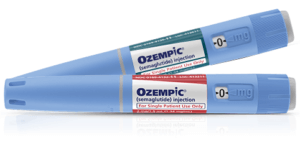
 Drugs like Ozempic, Wegovy, Zepbound, and Mounjaro have changed the way doctors manage type 2 diabetes and obesity. These medications, called GLP-1 receptor agonists, help the body produce more insulin after meals, slow down digestion, and reduce appetite. The results can be dramatic, including weight loss, improved blood sugar control, and a reduced risk of heart disease.
But there’s another side to the story: side effects. Like all medications, GLP-1 drugs have trade-offs, and people are often caught off guard by what to expect. Some reactions are short-lived, like nausea, vomiting, and diarrhea. Others are rare but serious, such as pancreatitis or gallbladder problems. Understanding these risks is critical for anyone considering or already taking these medications.
Understanding the range of side effects of GLP-1 medications
The most common reactions
When people first start a GLP-1 medication, the body needs time to adjust. That’s why the most frequent side effects are tied to the digestive system. These include:
- Nausea, vomiting, and diarrhea, especially during the first few weeks
- Bloating, gas, or a feeling of fullness after only a few bites of food
- Mild abdominal discomfort or cramping
- Occasional headaches and fatigue as the body adapts.
Doctors often start at a low dose and increase slowly. This helps the body adjust and keeps symptoms more manageable.
Digestive issues beyond the first month 
Most people find that nausea and diarrhea settle over time, but for some, digestive symptoms persist. Others experience new issues like:
- Constipation, sometimes severe enough to require treatment
- Changes in taste or aversions to certain foods
- Loss of appetite that can lead to unintentional rapid weight loss.
There are reports of people needing IV fluids for dehydration caused by persistent vomiting or diarrhea. Staying hydrated and discussing severe symptoms with a doctor is important.
Serious but less common risks of GLP-1 medications
Rarely, GLP-1 medications trigger more serious reactions. These require immediate medical attention and can include:
- Pancreatitis – inflammation of the pancreas, marked by intense upper stomach pain that may radiate to the back
- Gallbladder disease – gallstones or gallbladder inflammation leading to abdominal pain and sometimes surgery
- Kidney problems – sudden worsening of kidney function, often linked to severe dehydration from vomiting or diarrhea
- Allergic reactions – swelling of the face, tongue, or throat, or trouble breathing (an emergency situation).
Possible long-term concerns
There has been debate about whether GLP-1 drugs increase the risk of certain cancers. Animal studies linked them to medullary thyroid carcinoma, but human data haven’t confirmed the same risk. Doctors are cautious, especially for people with a personal or family history of thyroid cancers or conditions like multiple endocrine neoplasia syndrome.
Who should be most cautious
These medications are not ideal for everyone. Special caution is needed for:
- People with a history of pancreatitis
- Those with gallbladder problems
- Patients prone to low blood sugar when using insulin or other diabetes drugs
- Anyone with severe stomach or gut conditions like gastroparesis (delayed stomach emptying)
- Individuals who cannot manage the nausea and digestive discomfort long-term.
Side effects of GLP-1 meds people rarely talk about
Beyond the “official” side effects listed on labels, there are other changes people notice:
- “Ozempic face” – a term for facial changes when weight loss happens quickly, making cheeks look hollow or skin less firm
- Changes in mood or energy – some users report fatigue or even mild mood changes, though research is still limited
- Food aversions – the drugs can blunt appetite so much that people find themselves unable to enjoy foods they once loved.
Key takeaways
GLP-1 drugs like Ozempic and Wegovy (semaglutide), and Mounjaro and Zepbound (tirzepatide) bring powerful benefits but also a spectrum of side effects, from mild digestive upset to rare but serious health risks.
- Most people experience nausea early on, but it often improves
- Rare risks like pancreatitis or gallbladder issues require vigilance
- Doctors weigh benefits against risks, especially for those with type 2 diabetes and heart disease.
Anyone considering GLP-1 medications should have a clear discussion with their doctor about what to expect, how to handle side effects, and when to seek urgent help.
Frequently asked questions about GLP-1’s side effects
What is the danger of taking Ozempic?
Most of the side effects of drugs like Ozempic are manageable, but the rare ones can be serious. Severe abdominal pain may signal pancreatitis. Gallbladder disease, kidney problems, or allergic reactions can occur. There’s also debate about thyroid cancer risk, though no strong proof in humans exists. Doctors usually monitor patients closely, adjusting doses or stopping treatment if serious symptoms appear. For most people, the benefits outweigh the risks, but understanding the warning signs is key.
Who is not a good candidate for a GLP-1 drug?
Drugs like Ozempic/Wegovy and Mounjaro/Zepbound may not be suitable for people with a history of pancreatitis, severe digestive problems like gastroparesis, or certain thyroid cancers. Those with gallbladder disease or advanced kidney disease need extra caution. People who cannot tolerate nausea, vomiting, or appetite loss may struggle. Doctors also avoid prescribing it to anyone allergic to its ingredients or who has had a strong reaction in the past.
What medications cannot be taken with GLP-1s?
Insulin and drugs like sulfonylureas can increase the risk of dangerously low blood sugar when combined with Ozempic and other drugs that deliver GLP-1 agonists. Medications that slow digestion (for example, opioids) can worsen stomach side effects. Some blood pressure or diuretic medications may raise the risk of dehydration if vomiting or diarrhea occur. Always give your doctor a full list of everything you take, including supplements and compounded medications.
What does Ozempic do to your face?
Weight-loss drugs themselves don’t change skin or bone structure, but the weight loss they causes sometimes leads to a thinner, more hollow look, popularly called “Ozempic face.” This happens with rapid weight loss from any cause, not just GLP-1 drugs. Dermatologists may recommend skin-tightening treatments or fillers, but it’s a cosmetic side effect rather than a health risk.
What can happen to your body after taking GLP-1s?
GLP-1s helps lower blood sugar, control appetite, and often leads to weight loss. Early on, many people feel nausea or have diarrhea. Some experience constipation later. Rarely, people develop pancreatitis, gallbladder issues, or kidney problems. Over time, GLP-1s may reduce the risk of heart attacks or strokes in people with diabetes. The effects depend on the person’s health, dose, and how they respond to treatment.