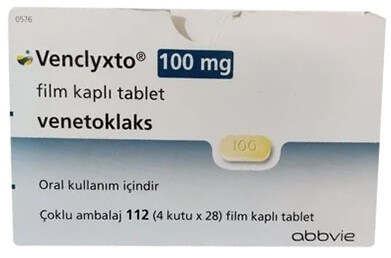
What is Venclexta?
Venclexta is an oral targeted therapy medication used to treat certain types of blood and bone marrow cancers. It is prescribed for adults with Chronic Lymphocytic Leukemia (CLL) or Small Lymphocytic Lymphoma (SLL). Venclexta is also approved for treating newly-diagnosed Acute Myeloid Leukemia (AML) in adults who are 75 years or older. It is often used for patients who cannot tolerate intensive chemotherapy. It works differently from traditional chemotherapy by targeting a specific protein within cancer cells.
How does Venclexta work?
Venclexta works by selectively blocking a protein called B-cell lymphoma-2 (BCL-2). This BCL-2 protein helps cancer cells survive longer in the body by preventing their natural death. By inhibiting BCL-2, Venclexta restores the natural process of programmed cell death, also known as apoptosis. This action causes cancer cells to die off more effectively. The process helps to slow the progression of the cancer. This targeted approach often results in fewer side effects than traditional chemotherapy treatments.
Who is Venclexta for?
Venclexta is for adults who have been diagnosed with specific types of blood cancers. It is primarily prescribed for patients with Chronic Lymphocytic Leukemia (CLL) or Small Lymphocytic Lymphoma (SLL). The medication may also be suitable for certain adults with newly-diagnosed Acute Myeloid Leukemia (AML). This typically includes patients who are 75 or older. It can also be for those with other health conditions that make intensive chemotherapy unsafe. A healthcare professional must determine if this drug is appropriate.
Dosage and administration
Venclexta dosage and administration must be managed carefully by a doctor. The treatment begins with a low dose that is gradually increased over five weeks. This “ramp-up” phase is critical to help reduce the risk of a serious side effect called tumor lysis syndrome (TLS). Patients take Venclexta tablets orally, once per day. The tablets should be taken with a meal and a full glass of water. It is very important to follow the prescribed dosing schedule exactly and not to miss doses.
Side effects
Venclexta can cause side effects ranging from mild to severe. Common side effects include low white blood cell counts (neutropenia), diarrhea, nausea, and fatigue. Upper respiratory tract infections are also common. A major and serious risk associated with Venclexta is Tumor Lysis Syndrome (TLS). TLS occurs when cancer cells break down too quickly, releasing harmful substances into the bloodstream. This can cause kidney failure. Your doctor will monitor you closely with blood tests to manage these risks.
Why buy from IsraelPharm?
IsraelPharm provides a reliable and affordable source for essential medications like Venclexta. We are committed to patient safety and providing access to authentic, brand-name treatments. Our pharmacy team ensures every prescription is handled with care. We offer competitive pricing, helping to reduce the financial burden of cancer treatment. With our secure online ordering and discreet international shipping, you can get your medication delivered directly to your home. Our customer service team is available to assist you with any questions or concerns you may have.
Venclexta may cause side effects. Some are common and manageable, while others are more serious and require immediate medical attention. Your doctor will monitor you closely.
Common Side Effects:
- Nausea or vomiting
- Diarrhea
- Fatigue
- Upper respiratory tract infections
- Low white blood cell count (neutropenia)
- Low red blood cell count (anemia)
Serious Side Effects:
- Tumor Lysis Syndrome (TLS): A condition where cancer cells release their contents into the blood too quickly for the kidneys to handle. This is a medical emergency.
- Severe neutropenia: A very low level of white blood cells, leading to a high risk of serious infections.
Venclexta (venetoclax) is a targeted therapy used to treat certain types of cancer in adults, including:
- Chronic Lymphocytic Leukemia (CLL)
- Small Lymphocytic Lymphoma (SLL)
- Acute Myeloid Leukemia (AML), specifically for newly-diagnosed patients aged 75 or older, or those with comorbidities that prevent the use of intensive induction chemotherapy.