What is Tegretol?
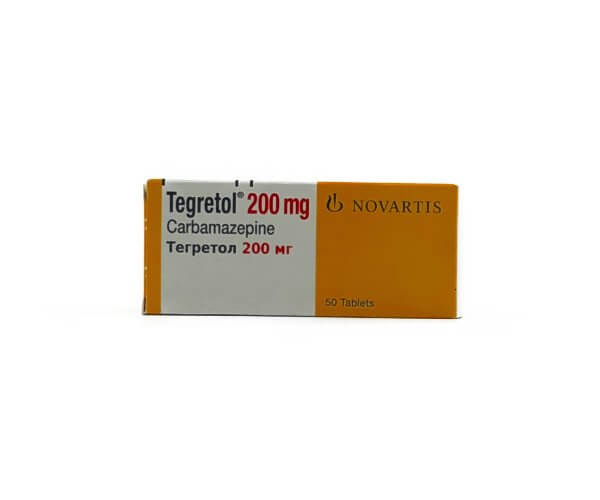
Tegretol is an oral anticonvulsant medication used to prevent and control seizures. Its active ingredient is carbamazepine. This medicine is also a primary treatment for certain types of nerve pain. It is a well-established drug manufactured by Novartis. Tegretol falls into a class of drugs known as anti-epileptic drugs. It helps manage conditions by stabilizing electrical activity in the brain. It is prescribed for epilepsy, trigeminal neuralgia, and other specific conditions. This medication requires a doctor’s prescription. It has been a trusted treatment option for decades.
How does Tegretol work?
Tegretol works by decreasing abnormal electrical activity in the brain. It slows down nerve impulses that cause seizures and pain. By blocking certain sodium channels in nerve cells, the medication reduces the spread of seizure activity. This action helps restore the normal balance of nerve function. For nerve pain, it lessens the painful signals sent from nerves. The overall effect is better control over seizures and significant relief from chronic pain. This stabilization of nerve activity is key to its effectiveness. Your doctor can explain this process in more detail.
Who is Tegretol for?
Tegretol is for adults and children who experience certain types of seizures. It is a common choice for people diagnosed with epilepsy. The medication is also prescribed for individuals suffering from sharp nerve pain. This includes trigeminal neuralgia, a condition causing severe facial pain. Doctors may also use it for glossopharyngeal neuralgia. In some cases, it can be used to help manage bipolar disorder. A healthcare provider will determine if Tegretol is the right choice based on your specific medical condition and history. It is carefully prescribed to suitable patients.
Dosage and administration
Tegretol dosage and administration are tailored to each patient by a healthcare professional. The dose depends on the condition being treated and the patient’s response. Treatment usually starts with a low dose two or three times a day. Your doctor may gradually increase the dose for the best effect. It is important to take Tegretol exactly as prescribed. The tablets should be taken with food to reduce stomach upset. Never change your dose or stop taking the medication suddenly. Doing so can cause serious health problems, including increased seizures. Always follow your doctor’s instructions carefully.
Side effects
Tegretol may cause side effects, which can range from mild to severe. Common side effects include dizziness, drowsiness, unsteadiness, nausea, and vomiting. These often lessen as your body adjusts to the medication. However, more serious side effects can occur. These include dangerously low blood cell counts. This can lead to infections or bleeding. Severe skin reactions like Stevens-Johnson syndrome are a rare but serious risk. Liver problems and low sodium levels have also been reported. Antiepileptic drugs can increase the risk of suicidal thoughts. You should contact your doctor immediately if you experience any severe symptoms.
Why buy from IsraelPharm?
Buying Tegretol from IsraelPharm provides a safe and affordable way to get your medication. We are a licensed pharmacy committed to high standards of care. Our platform makes it easy to order your prescriptions from home. We offer competitive pricing, helping you save money on your treatment. Our knowledgeable customer service team is ready to assist you. We ensure that you receive genuine medication from trusted manufacturers. Enjoy the convenience and reliability of ordering through IsraelPharm for all your prescription needs.
Like all medications, Tegretol can cause side effects. Not everyone will experience them.
Common Side Effects:
- Dizziness or lightheadedness
- Drowsiness and fatigue
- Nausea and vomiting
- Unsteadiness or clumsiness
Serious Side Effects:
Contact your doctor immediately if you experience any of the following:
- Severe skin rashes or blisters (like Stevens-Johnson syndrome)
- Yellowing of the skin or eyes (jaundice)
- Unusual bleeding or bruising
- Signs of infection (fever, sore throat)
- Thoughts of suicide or self-harm
- Irregular heartbeat or fainting


 Energy Pack