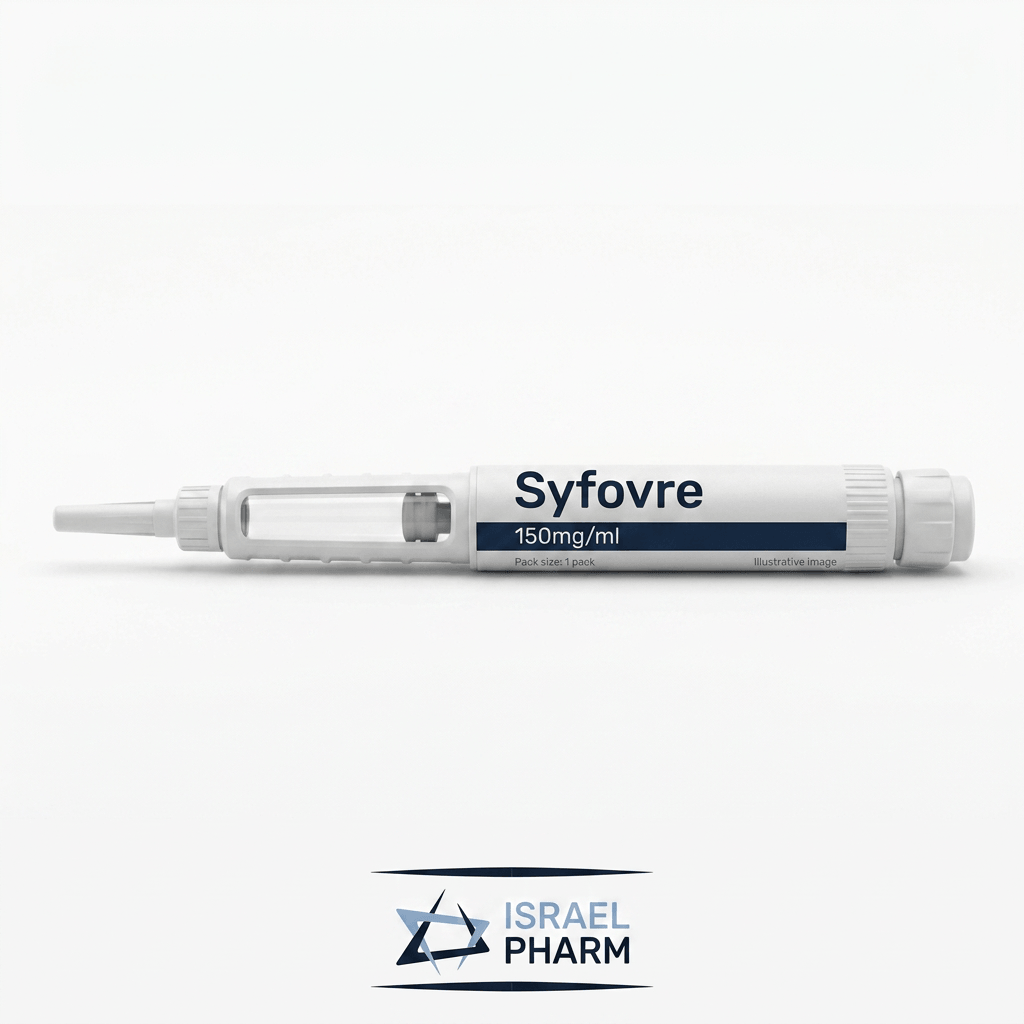
What is Syfovre?
Syfovre is an injectable prescription medicine used to treat geographic atrophy (GA). This condition is an advanced, or “dry,” form of age-related macular degeneration (AMD). Geographic atrophy causes progressive and irreversible vision loss. Syfovre is administered directly into the eye by a qualified retinal specialist. Its purpose is to slow down the progression of the disease. By slowing the growth of retinal lesions, it helps preserve central vision for longer. This targeted treatment represents a significant advancement for patients with GA.
How does Syfovre work?
Syfovre works by targeting a part of the immune system called the complement cascade. Overactivation of this system is believed to play a key role in the development of AMD and GA. Syfovre is a pegylated peptide that specifically binds to and inhibits complement proteins C3 and C3b. By blocking this pathway, Syfovre helps reduce the inflammation and cell damage that leads to the death of retinal cells. This mechanism slows the rate at which GA lesions grow. It does not cure the condition but can delay vision loss.
Who is Syfovre for?
Syfovre is for patients who have been diagnosed with geographic atrophy secondary to age-related macular degeneration. It is intended for individuals looking to slow the progression of this chronic eye disease. Patients must be able to receive regular injections into their eye. This procedure is performed by a healthcare professional in a clinical setting. It is not for people with infections in or around their eye. A thorough examination by an ophthalmologist will determine if you are a suitable candidate for this treatment.
Dosage and administration
Syfovre is administered as an intravitreal injection, meaning it is injected into the vitreous humor of the eye. The standard dose is 15 mg in a 0.1 mL solution. This injection is given by a retina specialist. The dosing schedule is typically once every 25 to 60 days in each affected eye. Your doctor will determine the appropriate frequency based on your condition. Before the injection, the doctor will numb your eye and clean the area to prevent infection. Your eye pressure will be monitored after the procedure.
Side effects
Syfovre may cause some side effects, which are mostly related to the injection itself. Many are temporary and mild. However, more serious side effects can occur. It is important to discuss these risks with your doctor. After an injection, you should report any signs of increasing eye pain, vision changes, or discharge to your doctor immediately. This could indicate a serious complication like an infection.
Why buy from IsraelPharm?
IsraelPharm provides a secure and affordable source for purchasing your essential medications like Syfovre. We are committed to patient safety and providing access to authentic, brand-name drugs. Our streamlined online ordering process is simple and convenient. We offer competitive pricing to help you manage treatment costs. Our customer service team is available to assist you with any questions. We ensure your medication is stored and shipped according to strict standards, including required cold chain logistics for sensitive products like Syfovre. Trust us for your vision care needs.
The most common side effects associated with Syfovre are often temporary and related to the eye injection. They include:
- Eye pain or discomfort
- Vitreous floaters (specks in your vision)
- Bleeding at the injection site (conjunctival hemorrhage)
- Increased eye pressure
- Blurred vision
In rare cases, more serious side effects can occur, such as:
- A serious eye infection (endophthalmitis)
- Inflammation inside the eye (retinal vasculitis or occlusive vasculitis)
- Retinal detachment
- A sustained, significant increase in eye pressure
Syfovre is primarily indicated for the treatment of:
- Geographic atrophy (GA)
- GA secondary to age-related macular degeneration (AMD)