What is Repatha?
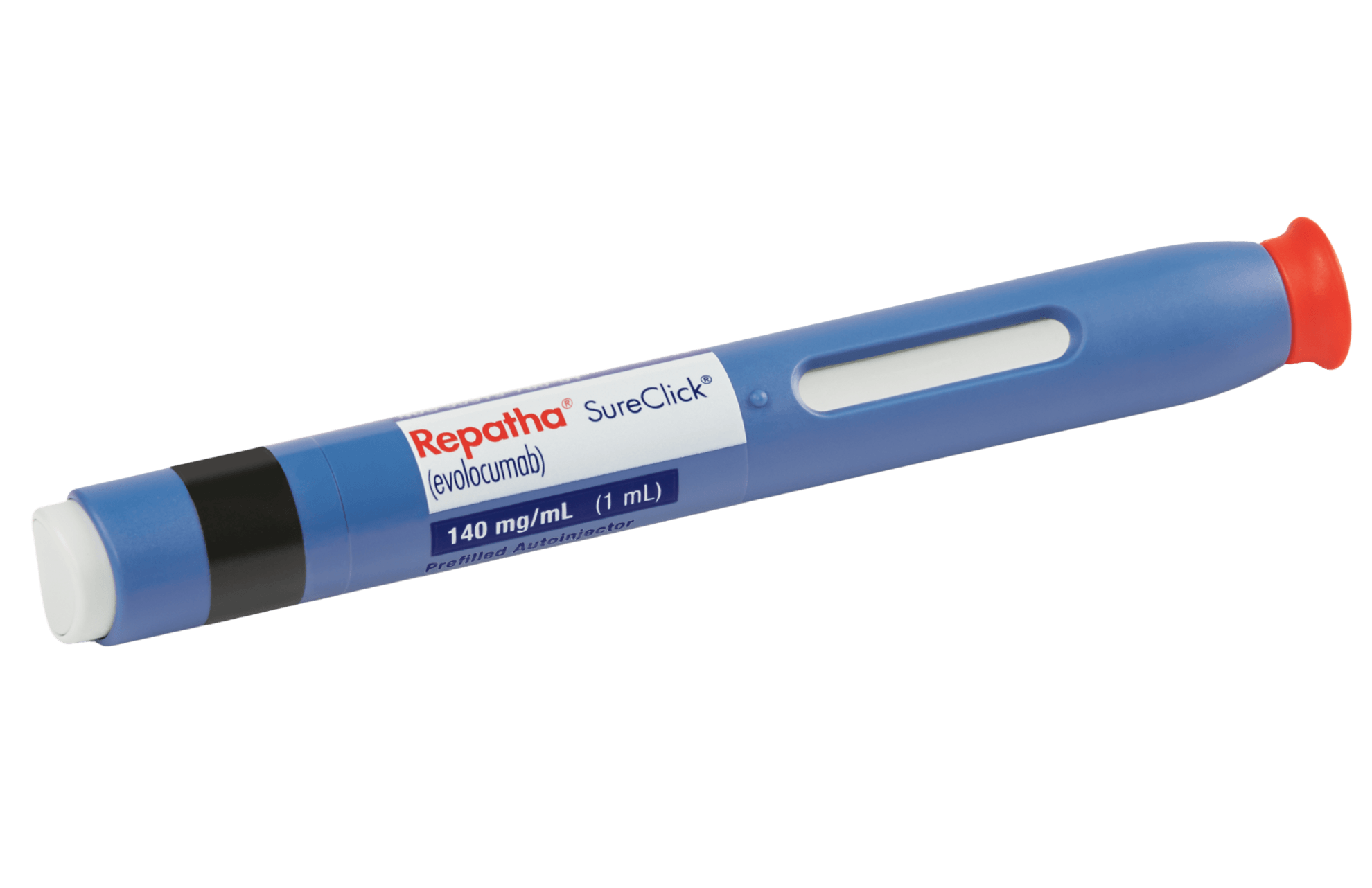
Repatha is an injectable prescription medicine used to lower high cholesterol. Its active ingredient is evolocumab. This medication belongs to a class of drugs known as PCSK9 inhibitors. Repatha is designed for adults and children over the age of 12. It helps manage cholesterol levels when diet and other medications are not enough. This treatment is a key part of reducing cardiovascular risk.
How does Repatha work?
Repatha works by blocking a protein in the body called PCSK9. This protein normally reduces the number of cholesterol receptors in the liver. By inhibiting PCSK9, Repatha helps the liver remove more “bad” cholesterol (LDL-C) from the blood. This process leads to significantly lower LDL cholesterol levels. The result is a reduced risk of plaque buildup in the arteries. This can prevent heart attacks and strokes.
Who is Repatha for?
Repatha is for adults and children over 12 who need to lower their LDL cholesterol. It is prescribed for several conditions. This includes adults with inherited high cholesterol (familial hypercholesterolemia). It also treats non-inherited high cholesterol and mixed dyslipidemia. Repatha is also approved for patients with a history of heart attack or stroke. It helps lower their risk of future cardiovascular events. It is often used with statins or for patients who cannot take statins.
Dosage and administration
Repatha dosage and administration involves an injection under the skin (subcutaneous). Patients can be trained to self-administer the medication at home. The injection is typically given in the thigh, abdomen, or upper arm. Your doctor will determine the correct dose and how often you need to take it. It is important to follow the prescribed schedule. Do not adjust your dose without medical advice. Be sure to read the full instructions before using the pre-filled pen or syringe.
Side effects
Repatha may cause side effects, though most are mild. It is important to discuss potential risks with your doctor. Some people may experience no side effects at all. Seek immediate medical help if you have signs of a severe allergic reaction. These signs include swelling of the face, tongue, or throat, or difficulty breathing.
Common side effects may include:
- Reactions at the injection site like redness, pain, or bruising
- Flu-like symptoms, such as a runny nose or sore throat
- Back or muscle pain
- Urinary tract infections
- Diarrhea
This is not a complete list. Consult your pharmacist if you experience any persistent or bothersome symptoms.
Why buy from IsraelPharm?
IsraelPharm offers a smart, affordable way to access essential medications like Repatha. We source drugs from licensed suppliers, ensuring you receive authentic products directly. By avoiding the high markups common in the US market, we pass significant savings on to you. Our platform provides a secure and straightforward ordering process. You get the vital treatments you need, delivered reliably to your door, for a fraction of the cost. Trust IsraelPharm for your healthcare needs.
Most individuals using Repatha do not experience severe side effects. Your doctor has prescribed it because the benefit to your health is greater than the risk of side effects. However, a serious allergic reaction is possible. Seek immediate emergency medical help for symptoms like hives, trouble breathing, or swelling of your face, lips, tongue, or throat.
Some of the more common side effects of Repatha can include:
- Injection site reactions: Such as redness, pain, or bruising where the shot was given.
- Upper respiratory symptoms: Including runny nose, sore throat, or common cold symptoms.
- Back pain: General aches or discomfort in the back.
- Muscle pain: Aches and pains in your muscles (myalgia).
- Diarrhea: Mild gastrointestinal upset.
- Urinary tract infections (UTIs).
If any of these effects persist or worsen, contact your doctor or pharmacist. This list does not include all possible adverse effects.
Repatha (evolocumab) is used to lower “bad” LDL cholesterol in several patient groups:
- Adults with High Cholesterol: This includes inherited (primary hyperlipidemia) and non-inherited forms.
- Adults with Mixed Dyslipidemia: To manage high levels of various unhealthy fats in the blood.
- Patients with Cardiovascular Disease: To reduce the risk of heart attack, stroke, and certain heart procedures in adults with established disease.
- Children 12 and Over: For a severe inherited condition called homozygous familial hypercholesterolemia (HoFH).
Repatha is typically prescribed alongside a healthy diet. It may be used with a statin medication or for patients who cannot tolerate statins.