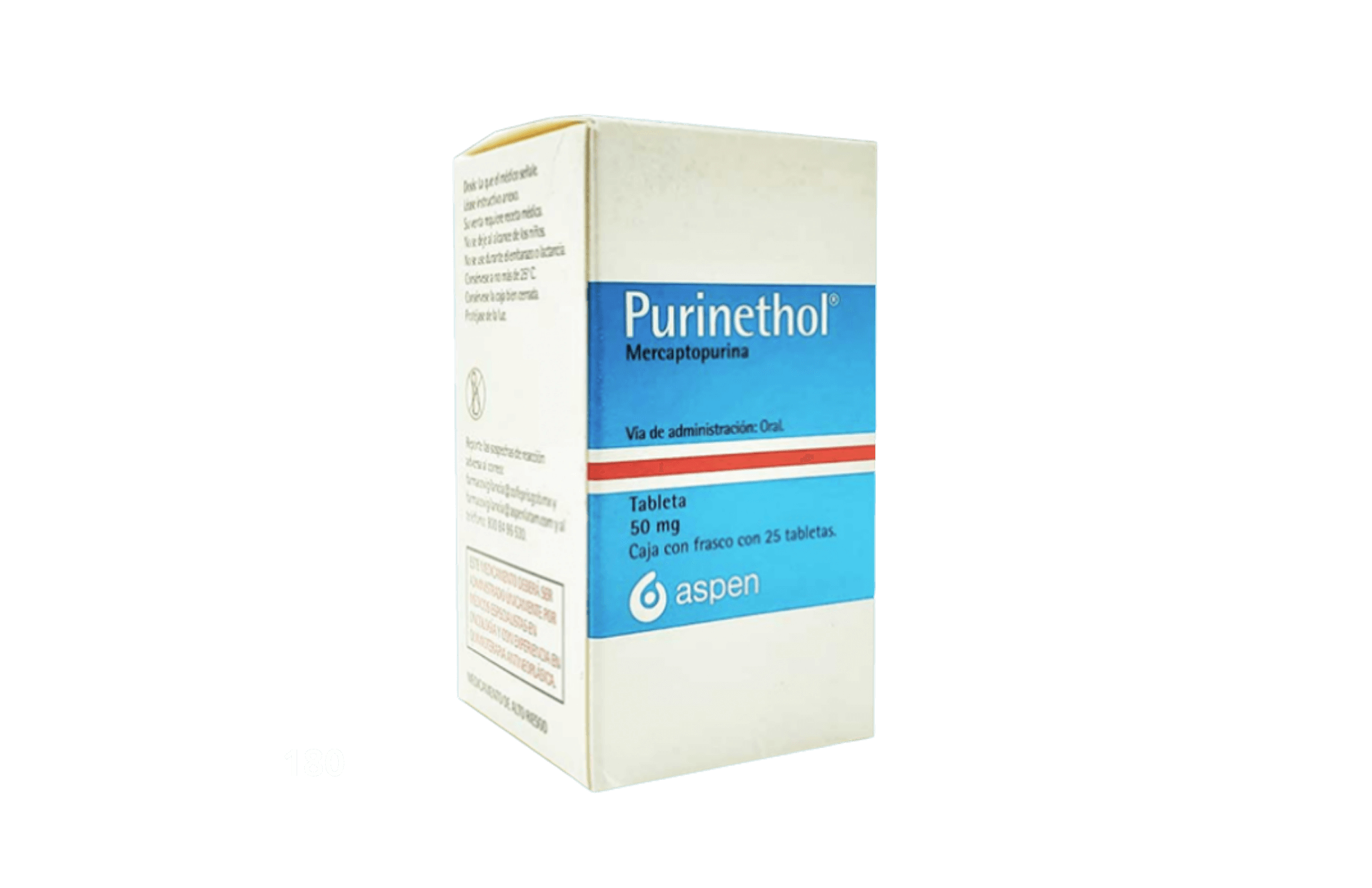
Purinethol (generic name: mercaptopurine) is used to treat some types of blood cancer and support the management of autoimmune diseases.
Mercaptopurine belongs to a class of drugs known as thiopurines, which are designed to slow the growth of specific cells in the body. In many cases, it is used to help reduce the number of abnormal white blood cells in people with leukemia or to control inflammation in chronic digestive conditions.
Mercaptopurine is considered an immunosuppressant because it affects the immune system’s function. This makes it useful not only in controlling abnormal cell growth but also in treating immune-related disorders. The exact treatment plan depends on the individual’s health condition, how their body responds, and the guidance of their medical team.
The most common use of Purinethol is in people with acute lymphocytic leukemia (ALL), a fast-growing form of cancer where the bone marrow produces too many immature white blood cells. These cells build up and interfere with the production of normal blood cells. Purinethol helps by lowering the number of these abnormal cells, which helps restore balance in the body’s blood production system. It is often used as part of a longer-term treatment plan that may include other cancer-fighting medicines.
In addition to cancer treatment, Purinethol is used in the care of people with Crohn’s disease or ulcerative colitis. These are types of inflammatory bowel disease (IBD) in which the immune system attacks the lining of the digestive tract, causing symptoms such as pain, diarrhea, and bleeding. In these cases, Purinethol works by calming down the immune response, reducing inflammation, and helping to maintain long-term symptom control. It plays a key role in both cancer treatment and in controlling chronic inflammation when standard therapies are not sufficient.
Caution
Purinethol may cause miscarriage or birth defects. Effective birth control is advised during and after treatment. If preganancy occurs while taking Purenithol, consult a healthcare provider immediately.
Dosage
Purinethol is typically used over long periods and is part of a carefully managed treatment plan. Its use is based on well-established medical experience and is supported by regular medical checkups to ensure it is working effectively and safely.
Be sure to follow the instructions on the box. Dosing can change, and it is important not to follow previous regimes without referring to the label.
Purinethol dosing varies based on the condition and the patient’s weight. For acute leukemia, the typical dose is 1.5 mg/kg once daily, taken at bedtime to reduce stomach upset. In inflammatory bowel disease, the dose is initially lower (e.g., 0.5 mg/kg daily) and adjusted based on the body’s response. Tablets should be taken with water, at the same time each day, and can be swallowed whole or crushed and mixed with water for anyone with swallowing issues.
If a dose is missed, it should be taken as soon as remembered, unless the next dose is due within a few hours. In that case, the missed dose should be skipped; doubling doses is unsafe.
Storage
Purinethol tablets should be stored at room temperature (59–86°F / 15–30°C), away from moisture and direct light and should be kept in their original container, tightly closed.
This text is for informational purposes only. Please consult a doctor or pharmacist before using any medication.
Read the information leaflet that comes with the medication.
Most people who use Purinethol do not experience any adverse side effects. Doctors prescribe this medication because they assess the benefits of such treatment outweigh any likely unwanted effects.
Some of the side effects that have been reported include nausea, vomiting, diarrhea, loss of appetite, fatigue, rash, and hair thinning. It can also cause lowered blood cell counts, leading to anemia, increased bleeding, and risk of infection.
Not all side effects are listed here. If these or other unlisted symptoms persist or worsen, consult a healthcare provider or pharmacist.
Purinethol is approved to treat acute lymphocytic leukemia (ALL). This disease involves rapid growth of abnormal white blood cells. Mercaptopurine helps by reducing the number of these cells, which slows disease progression. It’s used along with other chemotherapy medicines and requires regular blood tests to track recovery and side effects.
It is also officially used for Crohn’s disease and ulcerative colitis—conditions where the immune system attacks the intestines. In these cases, mercaptopurine helps reduce inflammation and bring symptoms like diarrhea, abdominal pain, and bleeding under control.
Doctors sometimes prescribe mercaptopurine off-label for other immune-related issues, such as juvenile arthritis or autoimmune hepatitis, though these uses aren’t officially approved. In these cases, the drug helps suppress the immune system’s overactivity and ease symptoms like joint swelling or liver inflammation.