My Personal Journey with Heartburn and Nexium for GERD Relief
Struggling with acid reflux? Sarah Ryan shares her personal experience using Nexium for GERD and how to find affordable brand-name relief through a licensed pharmacy.
Spend $99, get free U.S. shipping*
Tariff now required on U.S. shipments. Learn more »
Tel: 1-866-456-3768 Fax: 1-866-544-8993
For visual reference only; actual product may vary
US Name:
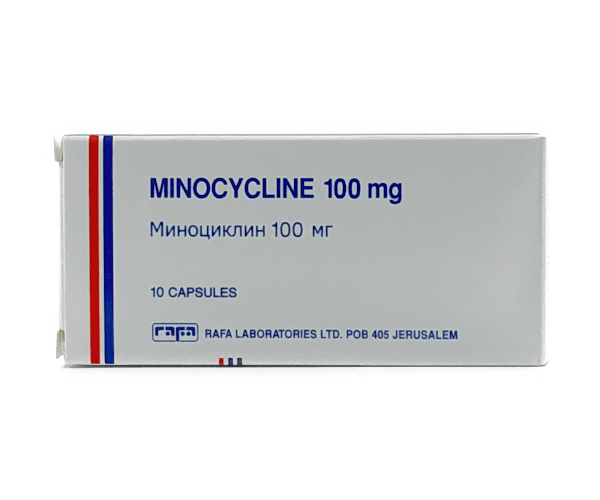
Minocin
Alternative Names:
Minocycline
Active Ingredients:
Minocycline Hcl
Brand Manufacturer:
NULL
Manufacturer Location:
Israel
Click here to view Product Insert
For visual reference only; actual product may vary
Minocin (Minocycline) is a versatile tetracycline antibiotic used to treat a wide array of bacterial infections. It is highly effective against conditions like severe acne, urinary tract infections (UTIs), and respiratory infections by stopping the growth of bacteria. Trust Minocin to help clear your infection and restore your health.
| Minocycline Generic | 100mg 10 Capsules |
-
|
Our price: $17.00 |
|
| Minocycline Generic | 50mg 30 Capsules |
-
|
Our price: $32.00 |
Minocin is a brand-name prescription antibiotic medication with the active ingredient Minocycline. It belongs to a class of drugs known as tetracycline antibiotics. Doctors prescribe Minocin to treat a wide range of bacterial infections. It is commonly used for severe acne. It also treats respiratory infections, urinary tract infections, and certain sexually transmitted infections like chlamydia. The medication works by preventing bacteria from growing and multiplying. This allows the body’s immune system to eliminate the infection effectively.
Minocin works by targeting the bacteria causing an infection. The active ingredient, Minocycline, enters bacterial cells and interferes with their ability to make essential proteins. Bacteria need these proteins to grow, repair themselves, and multiply. By blocking protein production, Minocin effectively stops the bacterial growth cycle. This action, known as a bacteriostatic effect, prevents the infection from spreading further. Your immune system can then more easily destroy the remaining weakened bacteria. This process helps clear up the infection and relieve symptoms.
Minocin is for adults and adolescents, generally over the age of 12, who have been diagnosed with a susceptible bacterial infection. It is frequently prescribed for patients with persistent, moderate-to-severe inflammatory acne that has not responded to other treatments. Doctors also choose it for specific respiratory, skin, and urinary tract infections. Additionally, it serves as a valuable alternative for treating certain infections, like syphilis or gonorrhea, in patients who have a confirmed allergy to penicillin-based antibiotics. A licensed healthcare provider must determine if this medication is appropriate for your condition.
Minocin dosage depends on the specific condition being treated, its severity, and the patient’s medical history. A doctor will determine the correct dose and duration of treatment for you. The medication is an oral capsule that should be swallowed whole with a full glass of water. You can take Minocin with or without food. However, taking it with a meal may help reduce potential stomach upset. It is important to avoid lying down for at least 30 minutes after taking a dose to prevent throat irritation. Do not take it with dairy products, antacids, or iron supplements, as they can interfere with its absorption.
Minocin may cause some side effects, though not everyone will experience them. The most common side effects are often mild. They can include dizziness, headache, nausea, diarrhea, and increased sensitivity to sunlight. Some people may also experience a skin rash or itching. More serious side effects are rare but possible. These can include severe headache, blurred vision, or signs of an allergic reaction. Rarely, long-term use can cause discoloration of the skin, nails, or teeth. Always discuss any side effects with your healthcare provider for proper guidance.
IsraelPharm is your trusted source for authentic prescription medications at affordable prices. We connect you with licensed international pharmacies, helping you save money on brand-name drugs like Minocin. Our ordering process is simple, secure, and convenient. A dedicated customer support team is ready to assist you with any questions. We also provide discreet packaging and reliable shipping directly to your door. Choose IsraelPharm for a professional and cost-effective way to manage your health and get the medications you need.
Like all medications, Minocin may cause side effects in some people. Most are mild and temporary. Be sure to discuss any concerns with your doctor.
Common side effects may include:
More serious side effects are rare but can occur. Contact your healthcare provider immediately if you experience severe headaches, vision changes, signs of liver problems (like yellowing skin or eyes), or a severe skin reaction.
Minocin (Minocycline) is a prescription antibiotic used to treat a wide variety of bacterial infections. It is effective for conditions such as:
Minocin may take several weeks to show a noticeable improvement in acne. For most patients, visible results appear after about 4 to 6 weeks of consistent daily use. However, the full benefits of the treatment can often take up to 12 weeks to become apparent. It is crucial to continue taking the medication exactly as your doctor prescribed, even if you do not see immediate changes. Follow up with your dermatologist to track your progress.
Minocin and alcohol consumption should be approached with caution. While there is no strict prohibition, alcohol can worsen some of the common side effects of the medication, such as dizziness and lightheadedness. This can increase the risk of accidents. To be safe, it is best to limit your alcohol intake while you are taking this antibiotic. Always ask your doctor or pharmacist for personalized advice based on your health condition.
Minocin can be taken either with or without food. However, taking the capsule with a meal or a light snack may help prevent potential stomach discomfort, such as nausea or indigestion. It is important to swallow the capsule with a full glass of water. You should avoid taking it with dairy products like milk or yogurt, as calcium can interfere with how your body absorbs the medication, making it less effective.
Minocin requires you to avoid certain products around the time you take your dose, as they can reduce its effectiveness. You should not take iron supplements, multivitamins containing iron, antacids, or products containing calcium within 2 hours of your Minocin dose. Dairy products should also be avoided in this window. Additionally, this medication can make your skin more sensitive to the sun, so it is important to use sunscreen and limit sun exposure.
Minocin can indeed increase your skin’s sensitivity to sunlight, a condition known as photosensitivity. This means you may get a sunburn much more easily and quickly than usual. While taking this medication, it is very important to protect your skin from the sun. You should use a broad-spectrum sunscreen with a high SPF, wear protective clothing like hats and long sleeves, and try to avoid prolonged sun exposure, especially during peak hours.
Minocin may potentially reduce the effectiveness of hormonal birth control methods, such as pills, patches, or rings. While the risk is considered low, some studies suggest that antibiotics can interfere with how these contraceptives are processed in the body. To ensure you are protected against pregnancy, it is highly recommended to use a backup method of birth control, like condoms, while you are taking Minocin and for one week after finishing the course.
Minocin should be taken as prescribed to be effective. If you miss a dose, take it as soon as you remember. However, if it is almost time for your next scheduled dose, you should skip the missed dose and return to your regular dosing schedule. Do not take two doses at the same time to make up for a missed one, as this can increase your risk of side effects.
Minocin should be stored at room temperature, which is typically between 68°F and 77°F (20°C and 25°C). Keep the medication in its original container with the lid tightly closed. It is important to store it away from areas with high moisture, heat, and direct light, such as a bathroom or kitchen windowsill. As with all prescription drugs, keep Minocin out of the reach of children and pets to ensure their safety.
Minocin has the potential to cause irritation or ulcers in the esophagus (the tube connecting the throat and stomach). To prevent this, it is recommended that you remain in an upright position—either sitting, standing, or walking—for at least 30 to 60 minutes after swallowing the capsule. Taking the pill with a full glass of water will also help ensure it passes smoothly into the stomach. Always avoid taking your dose right before bedtime.
Minocin is known to sometimes cause central nervous system side effects like dizziness, vertigo (a spinning sensation), or lightheadedness. These effects are more common when you first start taking the medication and usually lessen as your body adjusts. Because of this, you should be cautious when driving, operating machinery, or performing other tasks that require you to be alert until you know how Minocin affects you. If dizziness is severe or persistent, contact your doctor.
Minocin is a powerful antibiotic that is specifically designed to fight bacterial infections, not viruses. Therefore, Minocin will not be effective for treating viral illnesses such as the common cold, influenza (the flu), or most sore throats. Using antibiotics unnecessarily can lead to them being less effective in the future, a problem known as antibiotic resistance. Always consult a doctor for a proper diagnosis and the correct treatment for your illness.
Minocin absorption can be significantly blocked by antacids that contain aluminum, calcium, or magnesium. Taking these products at the same time can make the antibiotic much less effective at fighting your infection. To avoid this interaction, you should take Minocin either 2 hours before or 4 hours after you take any antacids. This spacing ensures that your body has enough time to absorb the medication properly without interference from the antacid ingredients.
Minocin is a tetracycline antibiotic, and a known rare side effect of long-term use is a bluish-gray discoloration of the skin, nails, gums, or teeth. This occurs when the drug binds to tissues in the body. The discoloration may or may not be reversible after stopping the medication. It's an important side effect to be aware of and discuss with your doctor, especially if you are prescribed Minocin for an extended period for conditions like acne.
Minocin is a prescription antibiotic that should only be used under the guidance of a healthcare professional. You must have a valid prescription from a licensed doctor or other authorized provider to purchase it. This ensures that the medication is appropriate for your specific condition and that you are monitored for potential side effects. Self-medicating with antibiotics is dangerous and can contribute to the global problem of antibiotic resistance.
Send Your Prescription
No Hidden Fees
Generally 7-10 Business Days

IsraelPharm has been delivering lost cost prescriptions from Israel for over 15 years worldwide. Daily flights allow us to get your medications dispatched fast! Delivery to the USA is under 10 days and you can track and trace every order.

Struggling with acid reflux? Sarah Ryan shares her personal experience using Nexium for GERD and how to find affordable brand-name relief through a licensed pharmacy.

Polycystic Metabolic Ovarian Syndrome (PMOS) is the new clinical name for the condition long known as Polycystic Ovary Syndrome (PCOS). The change reflects a deeper scientific understanding that insulin resistance and metabolic dysfunction sit at

Off-label prescribing means using an FDA-approved medication outside thant defined approved use.
The drug itself is identical; only the purpose, dose, age group, or form differs.
Off-label prescribing is legal in the United States and is governed by physician judgement.