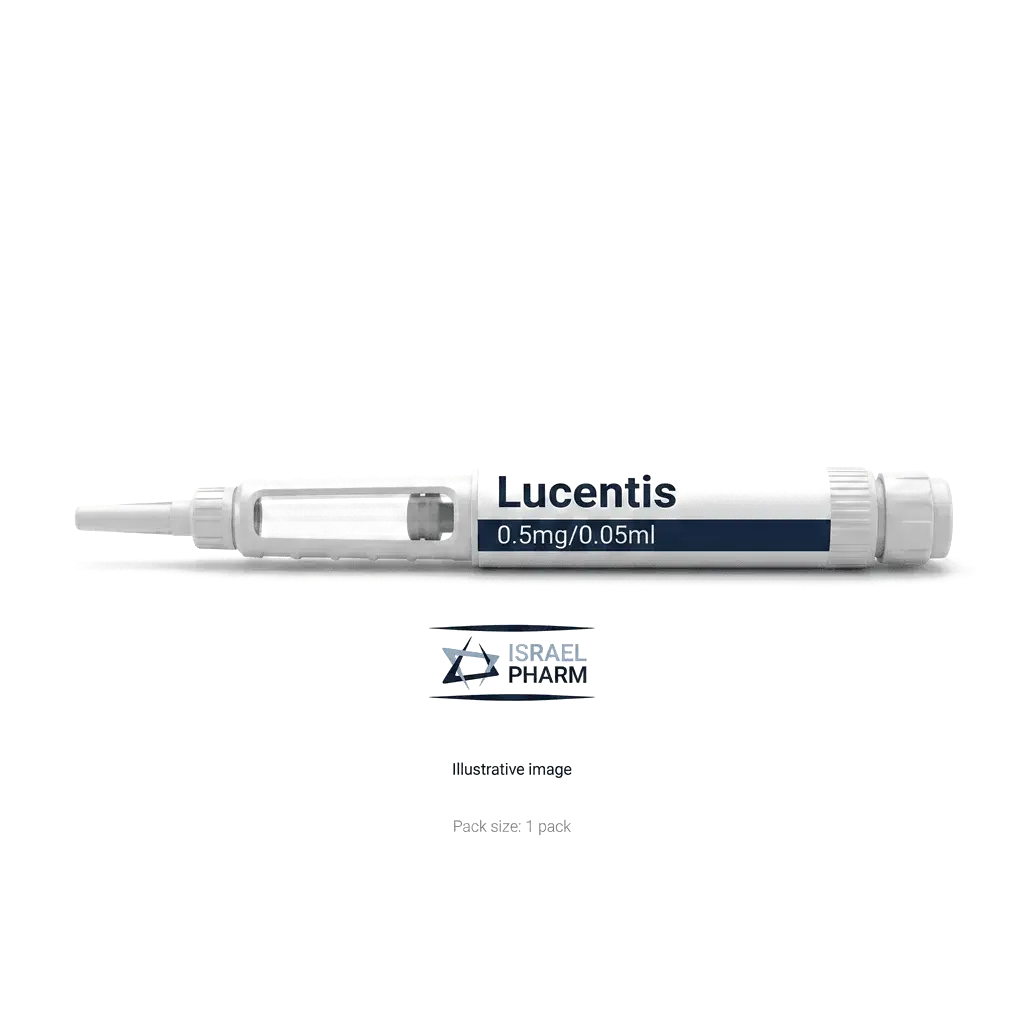
What is Lucentis?
Lucentis is a prescription medication designed to treat several serious eye conditions. It is a type of medicine known as an anti-vascular endothelial growth factor (anti-VEGF) therapy. Lucentis is administered directly into the eye through a very fine needle. This procedure, called an intravitreal injection, is performed by an ophthalmologist (a specialized eye doctor). The medication is primarily used to manage conditions that affect the retina, the light-sensitive tissue at the back of the eye. Its purpose is to prevent further vision loss and, in some cases, to improve vision. This treatment targets the underlying causes of abnormal blood vessel growth and leakage in the eye.
How does Lucentis work?
Lucentis works by blocking a specific protein in your body called vascular endothelial growth factor A (VEGF-A). This protein plays a key role in the formation of new blood vessels. In certain eye diseases, excessive amounts of VEGF-A can cause abnormal, weak, and leaky blood vessels to grow in the retina. These new vessels can leak fluid and blood. This leakage leads to swelling and damage to the macula, the part of the retina responsible for sharp, central vision. By inhibiting VEGF-A, Lucentis helps to reduce the growth of these harmful blood vessels. This action decreases swelling, stops leakage, and helps to slow down vision loss, preserving the patient’s sight.
Who is Lucentis for?
Lucentis is for patients diagnosed with specific retinal conditions that can lead to significant vision impairment. This treatment is often prescribed for adults with wet age-related macular degeneration (AMD). It is also used for individuals who have vision problems caused by diabetic macular edema (DME), a complication of diabetes. Other patients who may benefit include those with macular edema resulting from a blockage in the veins of the retina (retinal vein occlusion, or RVO). It can also treat myopic choroidal neovascularization, a complication of severe nearsightedness. Finally, it is used in premature infants for a condition called retinopathy of prematurity.
Dosage and administration
Lucentis dosage and administration depend on the condition being treated and the patient’s response to therapy. The medication is given as an injection into the vitreous humor (the gel-like substance that fills the eye) by a retinal specialist. The procedure is done in a doctor’s office under sterile conditions. Before the injection, the doctor will clean the eye and apply a strong anesthetic to numb it and minimize discomfort. Patients typically receive injections once a month to start. Over time, if the condition stabilizes, the interval between treatments may be extended. The exact schedule is determined by the ophthalmologist based on regular eye exams and imaging tests.
Side effects
Lucentis may cause side effects, most of which are related to the injection itself rather than the drug. It is important to discuss these with your doctor. Common side effects are generally mild and temporary.
- Eye pain or discomfort
- Floaters or specks in your vision
- Redness of the white part of the eye (conjunctival hemorrhage)
- A feeling of something in the eye
- Increased pressure inside the eye
- Watery or dry eyes
More serious side effects are rare but require immediate medical attention. These can include signs of a severe eye infection (endophthalmitis), retinal detachment, or a significant increase in eye pressure. Systemic risks like blood clots, heart attack, or stroke have also been reported, although they are uncommon.
Why buy from IsraelPharm?
IsraelPharm is a trusted source for essential medications like Lucentis. We are committed to providing safe, affordable access to prescription drugs. Our products are sourced from licensed, regulated pharmacies, ensuring you receive genuine medication. Because this product requires careful handling, we provide cold shipping to maintain its integrity from the pharmacy to your door. Our knowledgeable customer service team is here to assist you with your order. By choosing IsraelPharm, you can save on your medication costs without compromising on quality or safety, helping you manage your health affordably.
Common side effects associated with the injection procedure include:
- Conjunctival hemorrhage (redness in the white of the eye)
- Eye pain
- Floaters
- Increased intraocular pressure (IOP)
- Vitreous detachment
- Eye irritation
Serious but rare adverse reactions can occur:
- Endophthalmitis (a serious infection inside the eye)
- Retinal detachment
- Increased risk of arterial thromboembolic events (e.g., stroke or heart attack)
Contact your doctor immediately if you experience severe eye pain, vision changes, or signs of infection.
Lucentis (ranibizumab) is indicated for the treatment of:
- Neovascular (Wet) Age-Related Macular Degeneration (AMD)
- Macular Edema Following Retinal Vein Occlusion (RVO)
- Diabetic Macular Edema (DME)
- Diabetic Retinopathy (DR)
- Myopic Choroidal Neovascularization (mCNV)
- Retinopathy of Prematurity (ROP)