Understanding Biologic Medications: How Stelara & Prolia Work
Learn how biologic medications like Stelara and Prolia treat chronic conditions by targeting specific parts of the immune system and bone cells.
Spend $99, get free U.S. shipping*
Tariff now required on U.S. shipments. Learn more »
Tel: 1-866-456-3768 Fax: 1-866-544-8993
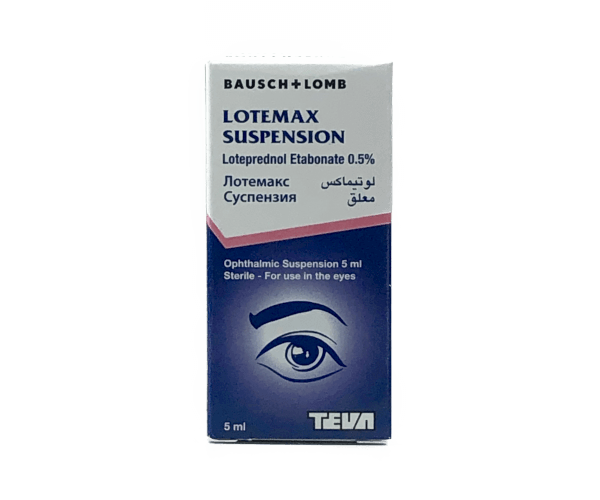
For visual reference only; actual product may vary
US Name:
Lotemax
Alternative Names:
Lotemax, Lotemax Gel
Active Ingredients:
Loteprednol Etabonate
Brand Manufacturer:
Bausch & Lomb
Manufacturer Location:
USA
Click here to view Product Insert
For visual reference only; actual product may vary
Lotemax is a brand-name corticosteroid eye drop with the active ingredient Loteprednol Etabonate. It works to reduce inflammation, swelling, and pain in the eye from allergies, surgery, or other steroid-responsive conditions. As a soft steroid, it offers potent relief with a lower risk of increasing eye pressure.
| Lotemax Ophthalmic Ointment Brand | 0.50% 3.5 g |
-
|
Our price: $77.00 |
|
| Lotemax Brand | 0.50% 1 - 5ml Bottle |
-
|
Our price: $35.00 |
|
| Lotemax Gel Brand | 0.50% 5 g |
-
|
Our price: $77.00 |
Lotemax is a brand-name prescription eye drop containing the active ingredient loteprednol etabonate. It belongs to a class of drugs known as corticosteroids, which are used to relieve inflammation. Lotemax is formulated as a “soft steroid,” designed to be highly effective at treating surface-level eye inflammation. It provides relief from symptoms like redness, swelling, and pain. It is available in different forms, including a liquid suspension and a thicker gel or ointment. A doctor will determine the best formulation for your specific needs.
Lotemax works by blocking the body’s natural inflammatory response in the eye. When your eye is injured or irritated, it releases chemicals that cause blood vessels to leak, leading to swelling, redness, and pain. Lotemax penetrates the cells in the eye and prevents them from producing these inflammatory substances. This action helps to quickly reduce uncomfortable symptoms. Because loteprednol is a soft steroid, it is rapidly broken down into inactive particles once inside the eye. This efficient metabolism lowers the risk of certain side effects, like an increase in intraocular pressure (IOP), compared to traditional steroids.
Lotemax is prescribed for adults and children who are experiencing inflammation in the eye that is responsive to steroid treatment. It is commonly used to manage pain and inflammation following eye surgery, such as cataract removal. Doctors also prescribe it for severe allergic reactions in the eye (allergic conjunctivitis) that do not respond to other treatments. Other uses include treating inflammatory conditions like acne rosacea that affects the eyes, superficial punctate keratitis, iritis, and cyclitis. It is not suitable for most common eye infections.
Lotemax dosage and administration depend on the specific condition being treated and the prescribing doctor’s instructions. Before use, it is important to wash your hands thoroughly. If you are using the suspension, you must shake the bottle vigorously for a few seconds. Tilt your head back, pull down your lower eyelid to create a small pocket, and squeeze one drop into the eye. Be careful not to let the dropper tip touch your eye or any other surface to avoid contamination. Close your eye for a minute to allow the medication to spread. Your doctor will tell you how many times per day to apply the drops.
Lotemax may cause some side effects, although not everyone experiences them. The most common effects are temporary and mild. These can include stinging or burning upon application, blurred vision, dry eyes, and a feeling that something is in your eye. Some people may also experience light sensitivity or a headache. More serious side effects are rare but can occur, especially with long-term use. These include increased pressure inside the eye (glaucoma), cataract formation, and delayed wound healing. Contact your doctor if you experience severe eye pain or significant changes in your vision.
Buying Lotemax from IsraelPharm ensures you receive genuine, brand-name medication directly from authorized sources. We are committed to providing affordable access to prescription drugs for our customers in the United States and worldwide. Our licensed pharmacy staff is available to answer your questions and ensure a safe, secure ordering process. With our focus on customer care, competitive pricing, and reliable shipping, IsraelPharm is a trusted choice for your eye care needs. We bridge the gap between high drug prices and your access to necessary treatment.
Common side effects of Lotemax may include:
More serious side effects can occasionally occur. Contact your doctor if you experience vision changes, eye pain that worsens, or signs of a new eye infection.
Lotemax is used for the treatment of inflammatory eye conditions that respond to steroids. These conditions affect parts of the eye including the conjunctiva, cornea, and anterior segment. Specific indications include:
Lotemax may be prescribed for certain types of pink eye if inflammation is the primary cause, such as allergic conjunctivitis. However, Lotemax is not suitable for most infectious pink eye, especially from viruses, as steroids can worsen the condition. Your doctor must first diagnose the cause of your pink eye before prescribing this medication.
Lotemax typically begins to relieve symptoms like redness and swelling within a few hours to a couple of days of starting treatment. The exact time to see improvement depends on the severity and type of eye condition being treated. Consistent use as prescribed by your doctor is key to achieving the best and fastest results.
You should not wear contact lenses while applying Lotemax eye drops, as preservatives in the medicine can be absorbed by soft lenses. If you wear contacts, ask your doctor when it is safe to reinsert them. Generally, it is advised to wait at least 15 minutes after using the drops before putting your lenses back in.
If you miss a dose of Lotemax, you should apply it as soon as you remember. However, if it is almost time for your next scheduled dose, just skip the missed one and return to your regular schedule. Do not use extra medicine to make up for the dose you missed, as this will not improve results and may increase risks.
Yes, Lotemax is a corticosteroid, often called a "soft" steroid. Its active ingredient is loteprednol etabonate. This means it is powerful at the site of inflammation in the eye but is designed to be rapidly broken down into inactive metabolites. This process helps lower the risk of certain side effects, like increased eye pressure, compared to other steroids.
Lotemax is not a primary treatment for dry eye syndrome itself, which is often a chronic condition requiring lubricating drops. However, since inflammation is often a major part of dry eye disease, a doctor might prescribe Lotemax for a short period to manage inflammatory flare-ups. This helps to calm the eye before continuing with other long-term therapies.
Lotemax eye drops should be stored upright in a cool, dark place at room temperature, between 59°F and 77°F (15°C and 25°C). It is important not to freeze the medication. Always keep the bottle tightly closed when you are not using it and be sure to store it out of the reach of children and pets.
Both Lotemax gel and suspension contain loteprednol, but they differ in formulation. The suspension is a liquid that must be shaken well before each use to mix the medication. The gel is a thicker drop that can provide longer contact time on the eye surface. Your doctor will prescribe the version best suited to your specific condition and needs.
Lotemax can cause temporary blurry vision immediately after the eye drops are applied. This is a common and usually short-lived side effect. You should not drive, use machinery, or do any activity that requires clear vision until you are sure you can perform them safely. If blurriness persists or worsens, contact your doctor.
Lotemax is generally intended for short-term use to control inflammation. Prolonged, long-term use of Lotemax or any corticosteroid eye drop can increase the risk of side effects. These include high eye pressure (glaucoma), cataracts, and secondary eye infections. Your doctor will monitor you closely if long-term treatment is necessary for your condition.
There is no major interaction known between drinking alcohol and using Lotemax eye drops, as the medication has very low absorption into the bloodstream. However, excessive alcohol consumption can contribute to dehydration, which may worsen underlying eye dryness or irritation. It is always wise to use alcohol in moderation while on any medication.
Yes, Lotemax is a prescription medication that requires an order from a qualified healthcare provider like an ophthalmologist or optometrist. They must examine your eyes to determine if Lotemax is the appropriate and safe treatment for your specific eye condition. Lotemax and its generic versions cannot be legally purchased over-the-counter.
Yes, Lotemax is frequently prescribed to treat the signs and symptoms of seasonal and perennial allergic conjunctivitis. It works effectively to reduce the inflammation, itching, redness, and swelling in the eye that is caused by allergic reactions to pollen, dust, or other allergens. Your doctor will confirm if your symptoms are indeed allergy-related.
Send Your Prescription
No Hidden Fees
Generally 7-10 Business Days

IsraelPharm has been delivering lost cost prescriptions from Israel for over 15 years worldwide. Daily flights allow us to get your medications dispatched fast! Delivery to the USA is under 10 days and you can track and trace every order.

Learn how biologic medications like Stelara and Prolia treat chronic conditions by targeting specific parts of the immune system and bone cells.

For so many women, their own health takes a back seat – not because they ignore it, but rather because life is loud. Work, family, caregiving, aging parents, hormones, sleep, stress. Life is like a

Despite years of research and real-world use, there is still no FDA-approved testosterone therapy designed specifically for women. Now, that gap is getting renewed attention. Discussion around testosterone therapy for women has shifted in recent