What is Lipitor?
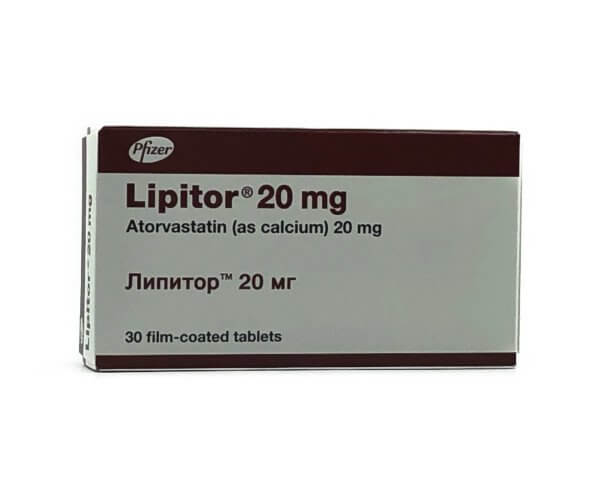
Lipitor is a prescription medication from the statin class of drugs. It is primarily used to lower high cholesterol and triglycerides in the blood. Specifically, Lipitor targets low-density lipoprotein (LDL), often called “bad” cholesterol. Lowering LDL cholesterol is crucial for preventing atherosclerosis (the buildup of plaque in arteries). By managing cholesterol levels, this medication helps reduce the risk of heart attacks, strokes, and other serious heart-related conditions. It is most effective when combined with a healthy diet and regular exercise.
How does Lipitor work?
Lipitor works by blocking a key enzyme in the liver called HMG-CoA reductase. This enzyme plays a vital role in the body’s production of cholesterol. By inhibiting this enzyme, Lipitor significantly reduces the amount of cholesterol the liver produces. This action leads to lower levels of LDL cholesterol in the bloodstream. At the same time, it can help raise levels of high-density lipoprotein (HDL), or “good” cholesterol. This dual effect helps rebalance your lipid profile and protect your arteries from plaque buildup.
Who is Lipitor for?
Lipitor is for adults and children over the age of 10 who need to manage high cholesterol. It is prescribed for patients with conditions like hypercholesterolemia (high cholesterol) and hypertriglyceridemia (high triglycerides). This medication is also suitable for those with familial hypercholesterolemia, a genetic condition causing very high cholesterol. Additionally, doctors prescribe Lipitor for patients who are at high risk for cardiovascular events. This includes people with risk factors like diabetes, hypertension, a history of smoking, or a family history of heart disease.
Dosage and administration
Lipitor dosage and administration must be determined by a healthcare provider. The right dose depends on your cholesterol levels and overall cardiovascular risk. For most adults, treatment starts with a daily dose of 10 mg or 20 mg. Your doctor may adjust this based on your response and cholesterol test results. The maximum daily dose is 80 mg. Lipitor is a once-daily tablet that you can take at any time of day. It can be taken with or without food. Consistency is key, so try to take it at the same time each day.
Side effects
Lipitor may cause side effects, though many people experience none at all. Your doctor prescribes it because the benefits outweigh the potential risks. Common side effects are generally mild. If any side effects persist or worsen, you should talk to your doctor. It is also important to tell your doctor right away if you experience unexplained muscle pain or weakness, as this could be a sign of a rare but serious condition.
- Muscle or joint pain
- Diarrhea
- Nausea
- Headache
- Cold-like symptoms (sore throat, stuffy nose)
Rare but serious side effects can include liver problems and severe muscle tissue breakdown. Do not take Lipitor if you are pregnant or breastfeeding.
Why buy from IsraelPharm?
Buying Lipitor from IsraelPharm provides a convenient and affordable way to manage your cholesterol. We offer competitive pricing on authentic, brand-name medications like Lipitor, manufactured by Pfizer. Our licensed pharmacists are available to answer your questions and ensure you feel confident about your treatment. We ship your medication directly to your door in discreet packaging for your privacy. With our secure online platform, ordering your heart health medication is simple, safe, and reliable. Trust IsraelPharm for your prescription needs.
Most people taking Lipitor do not experience serious side effects. However, like any medication, it can cause them. Your doctor has determined that the benefits for your heart health outweigh the potential risks.
Common side effects of Lipitor include:
- Muscle pain or weakness
- Diarrhea or other digestive discomfort
- Mild joint pain
- Headache
- Symptoms of the common cold, like a sore throat or runny nose
In rare cases, Lipitor can cause more serious side effects, such as liver problems or a severe muscle condition called rhabdomyolysis. Contact your doctor immediately if you have unusual muscle pain, weakness, or dark-colored urine.
Do not take Lipitor if you are pregnant, planning to become pregnant, or breastfeeding as it may harm the baby.
Hypercholesterolemia (High Cholesterol)
Lipitor is approved to lower high levels of LDL cholesterol, also known as “bad” cholesterol. This substance contributes to plaque buildup in the arteries (atherosclerosis), which increases the risk of heart attacks and strokes. Lipitor effectively reduces LDL levels to help keep arteries clear.
Hypertriglyceridemia (High Triglycerides)
Lipitor also treats abnormally high levels of triglycerides in the blood. Elevated triglycerides are linked to a higher risk of pancreatitis and cardiovascular disease. This medication helps lower these fat levels, contributing to a healthier lipid balance and reducing overall risk.
Familial Hypercholesterolemia
This is a genetic disorder causing exceptionally high cholesterol levels from a young age. Lipitor is frequently prescribed to manage cholesterol in these patients, helping to prevent the early onset of heart disease and related complications associated with this inherited condition.
Prevention of Cardiovascular Events
Lipitor is used to lower the risk of heart attack and stroke in people with multiple risk factors for heart disease, even if their cholesterol is not high. These risk factors include:
- High blood pressure (hypertension)
- Diabetes
- History of smoking
- Obesity
- A family history of early heart disease




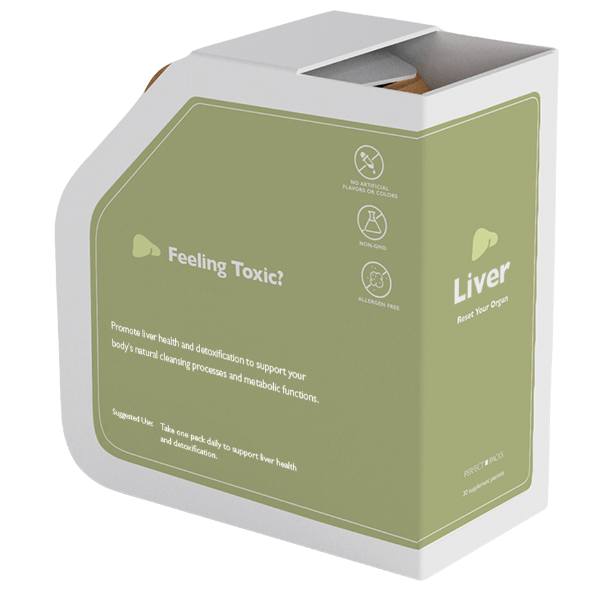 Liver Pack