What is Lantus?
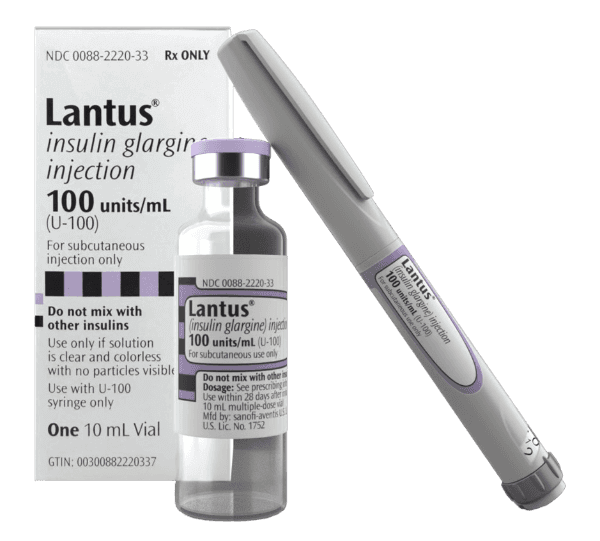
Lantus is a long-acting, man-made insulin used to manage high blood sugar in people with diabetes. Its active ingredient is insulin glargine. It is designed to provide a steady, consistent level of insulin in the body over 24 hours. This makes it a “basal” or “background” insulin. Lantus helps the body use sugar for energy. It also stops the liver from producing more sugar. This medication is for adults with type 1 or type 2 diabetes. It is also approved for children six years and older with type 1 diabetes. It comes in vials for use with syringes or in a prefilled pen called the Lantus SoloStar.
How does Lantus work?
Lantus works by providing a slow, steady release of insulin into the bloodstream over 24 hours. After it is injected under the skin, it forms small crystals. These crystals dissolve slowly throughout the day. This process releases insulin glargine at a continuous rated. This action mimics the natural, background insulin production of a healthy pancreas. It helps keep blood sugar levels stable between meals and overnight. Unlike rapid-acting insulins, Lantus does not have a pronounced peak. This reduces the risk of low blood sugar (hypoglycemia) compared to some other insulins. The consistent control helps prevent long-term complications from high blood sugar.
Who is Lantus for?
Lantus is prescribed for adults and children over six with type 1 diabetes and adults with type 2 diabetes. Patients with type 1 diabetes do not produce any insulin on their own. They need Lantus to provide the basal insulin their body lacks. They will also use a short-acting insulin at mealtimes. For patients with type 2 diabetes, the body either doesn’t produce enough insulin or doesn’t use it properly. Lantus is for them when other medications no longer control their blood sugar. Lantus provides the background insulin support they need for better glycemic management.
Dosage and administration
Lantus dosage is personalized for each patient based on their specific needs and blood sugar goals. Your doctor will determine the correct starting dose and make adjustments over time. Lantus is injected once a day, at the same time each day. It is administered as a subcutaneous injection (under the skin) in the abdomen, thigh, or upper arm. It is important to rotate injection sites to prevent skin problems like lumps or dents. Your healthcare provider will teach you how to properly inject Lantus. Always follow your doctor’s instructions exactly. Never share your Lantus SoloStar pen with others, even with a new needle.
Side effects
Lantus may cause side effects in some people, though many users have none. The most common side effect is hypoglycemia, or low blood sugar. Symptoms include sweating, shakiness, confusion, and rapid heartbeat. It is crucial to know how to recognize and treat low blood sugar. Other possible side effects include reactions at the injection site, like redness, swelling, and itching. Skin thickening or lumps can also develop. Some people may experience weight gain or swelling in their hands and feet. Less common effects include joint pain or flu-like symptoms. Always discuss any side effects with your doctor.
Why buy from IsraelPharm?
IsraelPharm provides a reliable and affordable way to get your Lantus Insulin. We understand the importance of managing diabetes with authentic, high-quality medication. We source our products from trusted manufacturers like Sanofi. Our streamlined online ordering process is simple and secure. We offer competitive pricing to help make your treatment more affordable. Our customer service team is available to assist you with any questions. When you order from us, your medication is shipped safely and efficiently. Choose IsraelPharm for a trustworthy and cost-effective solution for your insulin needs.
Most users of Lantus do not experience significant side effects. However, like any medication, it can cause them in some people. Your doctor has prescribed Lantus because they believe the benefit outweighs the potential risks.
Common side effects may include:
- Hypoglycemia (low blood sugar): This is the most common side effect. It can be more frequent or severe in children.
- Injection site reactions: You may notice redness, swelling, or itching.
- Skin changes: Thickening, lumps, or dents (lipodystrophy) can occur at the injection site.
- Weight gain: Some people may experience weight gain.
- Swelling (edema): You might see swelling in your ankles, feet, or legs.
- Other effects: Joint pain, flu-like symptoms, or diarrhea have also been reported.
This is not a complete list. If you experience these or any other persistent or bothersome symptoms, contact your healthcare provider immediately.
Lantus is indicated for improving blood sugar control in the following patient groups:
- Adults and children (from age six) diagnosed with type 1 diabetes.
- Adults (age 18 and older) diagnosed with type 2 diabetes who require additional insulin.
The primary goal is to manage high blood sugar (hyperglycemia), a serious condition that requires constant monitoring and treatment to prevent complications.