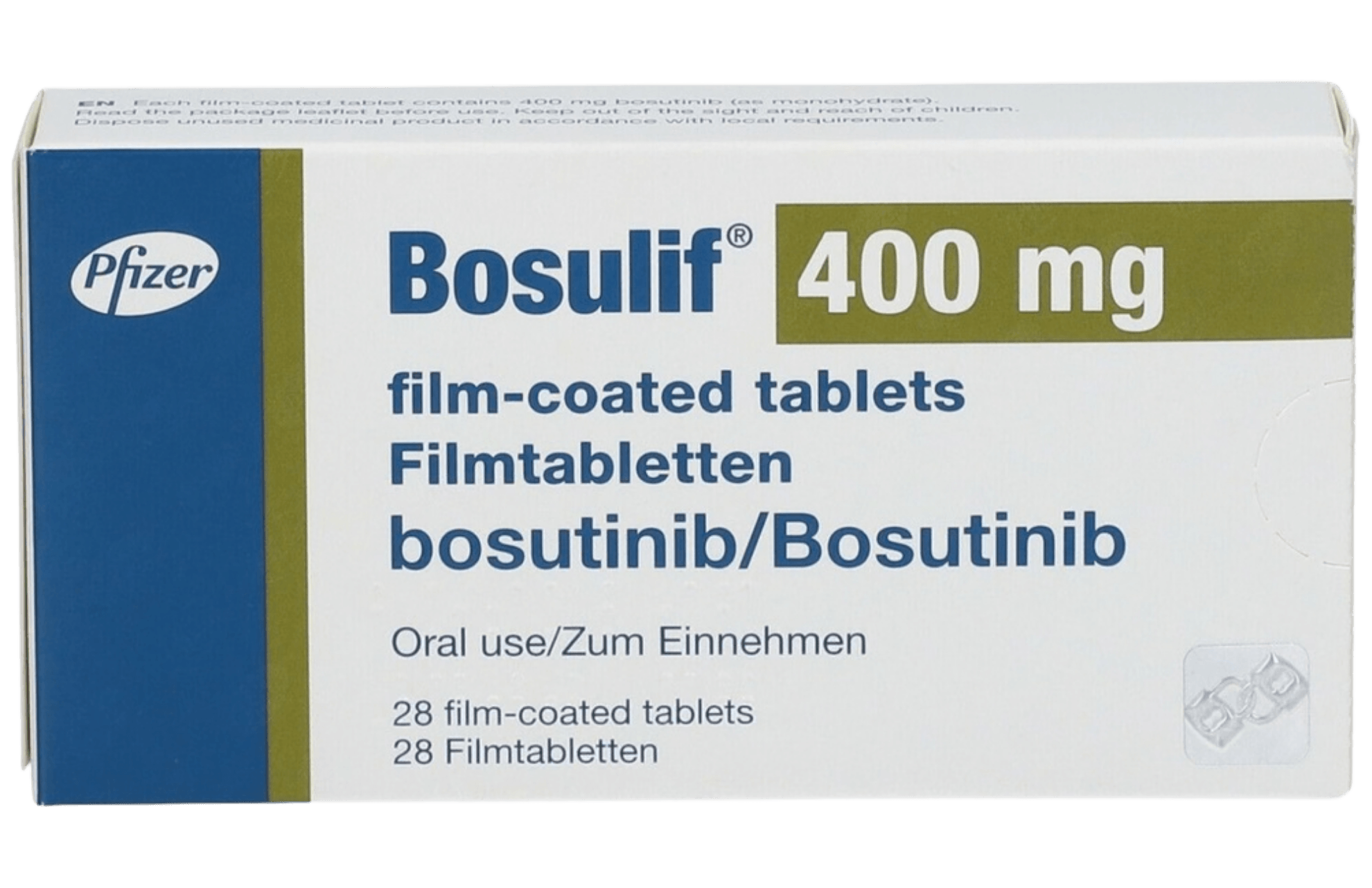
What is Bosulif?
Bosulif is a prescription medication used to treat a type of cancer known as Philadelphia chromosome-positive chronic myelogenous leukemia (Ph+ CML). It belongs to a class of drugs called tyrosine kinase inhibitors (TKIs). As a targeted therapy, it is designed to specifically attack the cancer cells while minimizing damage to healthy cells in the body, making it a powerful tool in managing this specific form of leukemia.
How does Bosulif work?
Bosulif works by blocking the activity of a specific protein called the Bcr-Abl tyrosine kinase. This protein is found in the cancer cells of patients with Ph+ CML and is responsible for signaling these cells to grow and divide uncontrollably. By inhibiting this protein, Bosulif effectively stops the growth of the leukemic cells and can lead to a reduction in their numbers, helping to manage the progression of the disease.
Who is Bosulif for?
Bosulif is intended for adult patients who have been diagnosed with Philadelphia chromosome-positive chronic myelogenous leukemia (Ph+ CML). It is approved for individuals who are newly diagnosed with the chronic phase of the disease. It is also an appropriate treatment option for patients in the chronic, accelerated, or blast phases of Ph+ CML who have already been treated with at least one other tyrosine kinase inhibitor but it did not work or is no longer a suitable option.
Dosage and administration
The administration of Bosulif should be done exactly as prescribed by your healthcare provider. It is typically taken orally as a tablet once per day with a meal. Your specific dosage will be determined by your doctor based on your medical condition, stage of the disease, and response to treatment. It is important not to crush, break, or chew the tablet, and to swallow it whole. Never alter your dose or stop taking the medication without first consulting your doctor.
Side effects
Like all medications, Bosulif may cause side effects, although not everyone will experience them. Common side effects can include diarrhea, nausea, stomach pain, vomiting, fatigue, and rash. More serious side effects require immediate medical attention. These can include signs of liver problems like yellowing skin or dark urine, symptoms of blood disorders like easy bruising or fever, heart problems, or severe skin reactions. A full list of potential side effects should be discussed with your doctor.
Why buy from IsraelPharm?
Choosing IsraelPharm for your medication needs ensures you receive authentic, brand-name Bosulif manufactured by Pfizer at competitive prices. We are committed to providing a seamless and secure online ordering process, with licensed pharmacists available to answer your questions. Our reliable international shipping brings your essential medication directly to your door, offering a convenient and cost-effective solution for your long-term treatment plan without compromising on quality or safety.
Like any medication, Bosulif® can cause side effects. It is important to be aware of them, but you may not experience any. Contact your doctor immediately if you experience any of the following serious side effects:
- Blood disorders: Unusual bleeding, easy bruising, or persistent fever.
- Liver disorders: Itching, yellowing of the skin or eyes (jaundice), dark-colored urine, or pain in the upper right stomach area.
- Stomach/Intestinal disorders: Severe or persistent heartburn, stomach pain, diarrhea, nausea, or vomiting.
- Heart problems: Irregular heartbeat, fainting, dizziness, or loss of consciousness.
- Hepatitis B reactivation: If you have had hepatitis B in the past, watch for signs of its recurrence.
- Serious skin reactions: A painful, spreading rash with blisters, particularly on mucous membranes like the mouth or lips.
Bosulif® (Bosutinib) is a targeted therapy for the treatment of adult patients with:
- Newly-diagnosed chronic phase (CP) Philadelphia chromosome-positive chronic myelogenous leukaemia (Ph+ CML).
- Chronic phase (CP), accelerated phase (AP), and blast phase (BP) Ph+ CML previously treated with other tyrosine kinase inhibitors where those options are no longer appropriate.