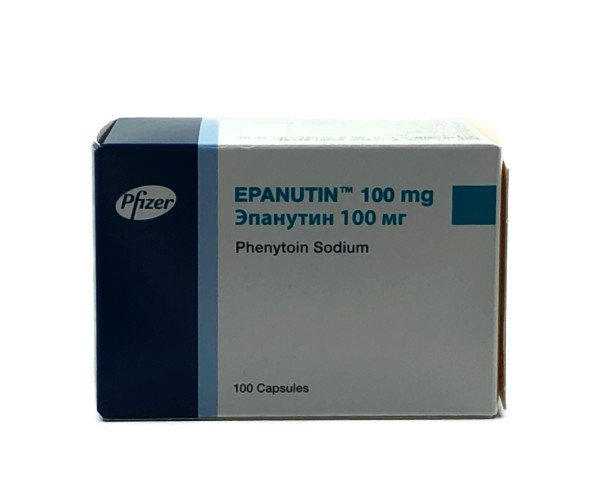
What is Dilantin?
Dilantin is an anticonvulsant medication containing the active ingredient phenytoin, prescribed to control and prevent certain types of seizures. It is a widely recognized and effective treatment for epilepsy, specifically for managing generalized tonic-clonic seizures (previously known as grand mal) and complex partial seizures. While Dilantin does not cure epilepsy, it plays a crucial role in managing the condition by reducing how often and how severely seizures occur, allowing patients to lead more stable and predictable lives.
How does Dilantin work?
Dilantin works by slowing down impulses in the brain that cause seizures, specifically by blocking overactive sodium channels in nerve cells. During a seizure, nerve cells in the brain fire electrical signals too rapidly. Phenytoin, the active ingredient in Dilantin, stabilizes the membrane of these nerve cells, making them less likely to fire excessively. This action helps to prevent the chain reaction of electrical activity that builds into a seizure, thereby maintaining normal brain function and preventing seizure symptoms.
Who is Dilantin for?
Dilantin is prescribed for adults and children who experience generalized tonic-clonic seizures and complex partial (psychomotor and temporal lobe) seizures. It can also be used to prevent and treat seizures that occur during or after neurosurgery. This medication is intended for patients seeking a long-term management solution to reduce the frequency and severity of their seizures. It is not suitable for everyone and requires a doctor’s evaluation to determine if it is the right choice based on the patient’s specific seizure type and medical history.
Dosage and administration
Dilantin should be taken exactly as your doctor prescribes, with dosages tailored to your specific condition and response to treatment. The dose is usually started low and gradually increased to find the most effective amount that minimizes side effects. It is important to take your doses at the same times each day to maintain a steady level of the medication in your body. If you miss a dose, take it as soon as you remember, but do not take a double dose to make up for it. Do not stop taking Dilantin abruptly without consulting your doctor, as this can cause an increase in seizures.
Side effects
While many users tolerate Dilantin well, some may experience side effects ranging from mild to severe. Common side effects can include dizziness, drowsiness, headache, nausea, constipation, and unsteadiness. Some people may also notice changes in their gums, such as swelling or tenderness. Though rare, serious side effects can occur, including severe allergic reactions (swelling of the face or throat, difficulty breathing), fever, sore throat, and severe skin reactions like blistering or peeling. It is critical to contact your doctor or seek emergency medical help if you experience any severe symptoms.
Why buy from IsraelPharm?
Choosing IsraelPharm to fill your Dilantin prescription provides a reliable and affordable way to access your essential medication. We are committed to patient safety and providing brand-name medications, like Pfizer-manufactured Dilantin, at competitive prices. Our user-friendly online platform makes ordering easy and convenient, shipping your medication directly to your door. With a team of knowledgeable pharmacists and a dedication to excellent customer service, IsraelPharm ensures you receive the authentic treatment you need with the care and professionalism you deserve.
Most individuals using Dilantin do not have significant side effects. However, like any medication, it can cause them. Your doctor has prescribed it because they judge the benefit to be greater than the risk of side effects.
Common Side Effects:
- Nausea, vomiting, or constipation
- Headache, dizziness, or drowsiness
- Slurred speech or confusion
- Unsteadiness, tremor, or lack of coordination
- Swelling and tenderness of the gums
Serious Side Effects:
Contact your doctor immediately or seek emergency medical attention if you experience any of the following:
- Severe allergic reactions (hives, difficulty breathing, swelling of your face, lips, tongue, or throat)
- Fever, sore throat, or swollen glands
- Any skin rash, blistering, or peeling
- Unusual bleeding or bruising
- Symptoms of liver problems (e.g., upper stomach pain, dark urine, jaundice)
Dilantin (Phenytoin) is an anticonvulsant medication primarily used to manage and prevent specific types of epileptic seizures. Its main indications include:
- Generalized Tonic-Clonic Seizures: Effective in controlling grand mal seizures characterized by loss of consciousness and violent muscle contractions.
- Complex Partial Seizures: Used to manage psychomotor or temporal lobe seizures.
- Neurosurgery-Related Seizures: Administered to prevent and treat seizures occurring during or following neurosurgery.