Understanding Biologic Medications: How Stelara & Prolia Work
Learn how biologic medications like Stelara and Prolia treat chronic conditions by targeting specific parts of the immune system and bone cells.
Spend $99, get free U.S. shipping*
Tariff now required on U.S. shipments. Learn more »
Tel: 1-866-456-3768 Fax: 1-866-544-8993

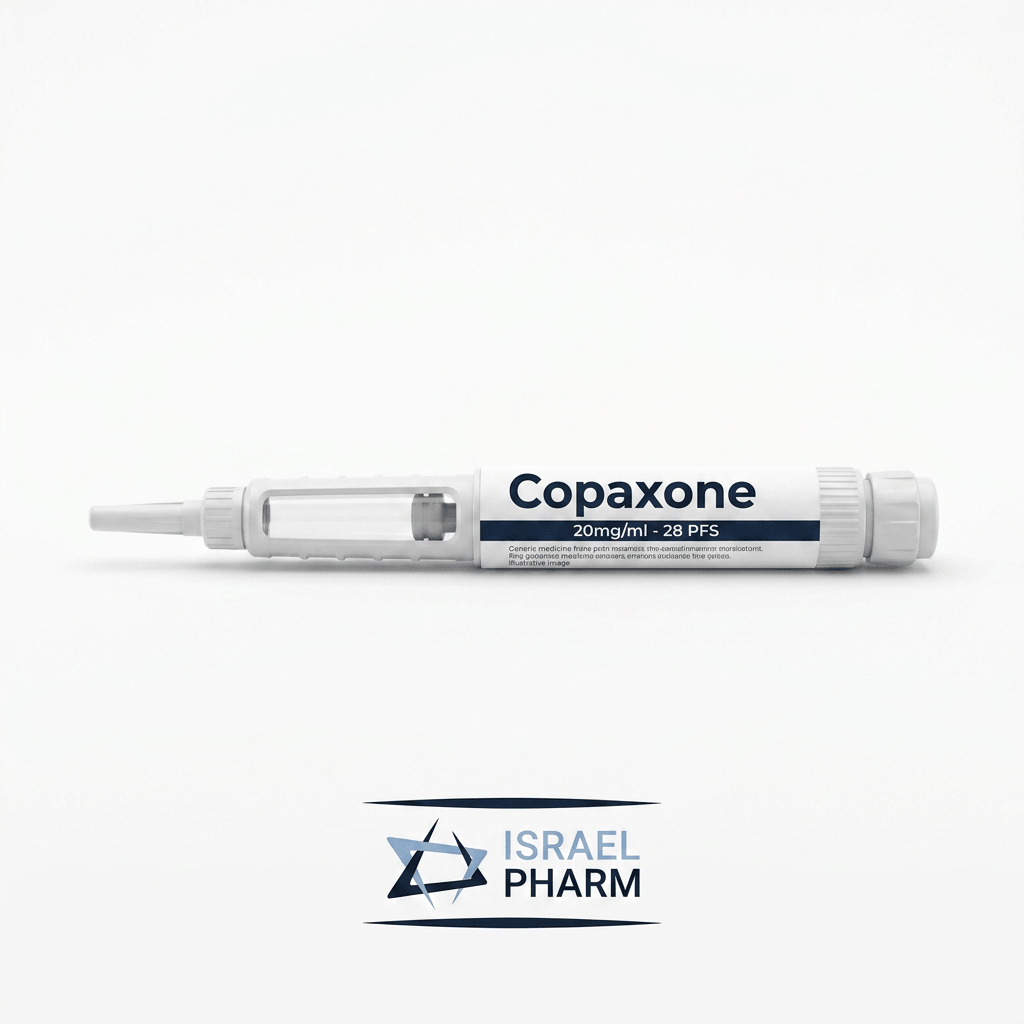
For visual reference only; actual product may vary
US Name:
Copaxone
Alternative Names:
Copaxon, Copaxone Pfs, Glatopa
Active Ingredients:
Glatiramer acetate
Brand Manufacturer:
Teva
Manufacturer Location:
Israel
Click here to view Product Insert

For visual reference only; actual product may vary
Copaxone (Glatiramer Acetate) is an essential injectable medication prescribed for relapsing forms of multiple sclerosis (MS). It effectively reduces the frequency of debilitating relapses and can help slow the progression of the disease, making it a cornerstone therapy for many patients managing their condition.
| Copaxone Pen Brand | 40mg/mL 12 Pre-Filled Pens |
-
|
Our price: $2,541.00 |
|
| Copaxon Brand | 20mg/ml - 28 PFS 1 Package |
-
|
Our price: $2,377.00 |
Copaxone is an FDA-approved prescription medication used to treat relapsing forms of multiple sclerosis (MS) in adults. Its active ingredient, glatiramer acetate, is a synthetic compound that mimics a basic protein found in myelin—the protective sheath that covers nerve fibers in the central nervous system. By acting as a sort of decoy, Copaxone helps to prevent the immune system from mistakenly attacking its own myelin, which is the underlying cause of nerve damage in MS. It is considered an immunomodulator, not an immunosuppressant, meaning it modifies the immune system’s behavior rather than suppressing it entirely. This makes it a widely used first-line therapy for patients who have experienced a first clinical episode (Clinically Isolated Syndrome), as well as those with Relapsing-Remitting MS (RRMS) and Active Secondary Progressive MS.
Copaxone works by modulating the body’s immune response to prevent it from attacking the central nervous system. The glatiramer acetate in Copaxone is structurally similar to a component of the myelin sheath. It is thought to work in two main ways. First, it competes with myelin antigens for binding to immune cells, effectively diverting the immune attack away from your nerves. Second, it shifts the immune cell population from pro-inflammatory T-cells, which cause damage, to anti-inflammatory T-cells. These regulatory cells can migrate to the brain and spinal cord, where they produce anti-inflammatory substances that help calm the local inflammation and protect nerve fibers from further demyelination and damage.
Copaxone is for adults diagnosed with relapsing forms of multiple sclerosis, including clinically isolated syndrome (CIS), relapsing-remitting MS (RRMS), and active secondary progressive MS (SPMS). It is often prescribed to patients who have experienced their first neurological episode suggestive of MS and have MRI findings consistent with the disease, deeming them at high risk for developing clinically definite MS. Because it is not an immunosuppressant and is generally well-tolerated, it is a suitable option for long-term management of the disease. It aims to reduce the number of flare-ups (relapses) and may also slow the progression of physical disability over time.
Copaxone is typically administered as a subcutaneous (under the skin) injection, available in pre-filled syringes. There are two common dosing schedules prescribed by doctors: a 20 mg injection given once daily or a higher 40 mg dose given three times a week, with at least 48 hours between injections. Patients are taught to self-inject the medication in areas such as the abdomen, arms, hips, and thighs, rotating the injection site each time to minimize skin reactions. Proper storage is critical; Copaxone should be kept refrigerated (36°F to 46°F). If refrigeration is not possible, it can be stored at room temperature (59°F to 77°F) for up to one month, but should not be returned to the refrigerator after being kept at room temperature.
The most common side effects of Copaxone are injection site reactions, such as redness, pain, swelling, itching, or a lump at the injection site. These are usually mild and temporary. Some people may also experience an “Immediate Post-Injection Reaction,” which can include flushing, chest pain, a fast heartbeat, anxiety, and shortness of breath. This reaction is typically short-lived and resolves on its own. Another potential long-term side effect is lipoatrophy, which is the localized loss of fatty tissue under the skin, creating a “dent.” This can be permanent, so it’s vital to rotate injection sites as instructed by your healthcare provider to reduce this risk.
IsraelPharm offers a reliable and affordable way to purchase your Copaxone prescription online from a trusted pharmacy. We are committed to providing access to authentic, brand-name medications like Copaxone, which is manufactured by Teva Pharmaceutical Industries—a global leader headquartered in Israel. By sourcing directly, we can offer competitive pricing that helps reduce the financial burden of long-term MS treatment. Our streamlined ordering process, dedicated customer service, and reliable international shipping ensure you receive your medication safely and conveniently, allowing you to focus on managing your health without interruption.
Like all medications, Copaxone can cause side effects. It’s important to discuss these with your doctor.
Most Common Side Effects:
Less Common but Serious Side Effects:
If you experience severe or persistent side effects, contact your healthcare provider immediately.
Copaxone is indicated for the treatment of relapsing forms of multiple sclerosis (MS) in adults, including:
Copaxone does not have an immediate effect on MS symptoms. It is a long-term therapy designed to modify the disease course over time. While its immune-modulating effects begin with the first dose, it may take several months (typically 6 to 9) for the clinical benefits, such as a reduction in relapse frequency, to become apparent. Consistent, daily or three-times-weekly injections are necessary to achieve and maintain its full effect in managing your condition.
If you miss a dose of Copaxone, you should take it as soon as you remember. However, do not take a double dose to make up for the missed one. Simply resume your regular injection schedule the following day. For the three-times-a-week 40mg dosage, ensure there are at least 48 hours between injections. If you frequently miss doses, speak with your healthcare provider for advice on staying on track with your treatment.
Copaxone has not been formally studied with many other drugs. However, it is not known to have significant interactions with most common medications. It is crucial to inform your doctor about all the medications you are taking, including prescription drugs, over-the-counter medicines, vitamins, and herbal supplements. They can provide guidance on using them safely with your Copaxone treatment to avoid any potential issues.
No, Copaxone is not an immunosuppressant. It is classified as an immunomodulator. This means it doesn't suppress your entire immune system. Instead, it selectively modifies the immune response, encouraging the development of anti-inflammatory cells that help reduce the attack on myelin. This allows your immune system to continue fighting infections effectively while still treating your MS, which is a key benefit of this medication.
The Immediate Post-Injection Reaction is a temporary cluster of symptoms that can occur within minutes of injecting Copaxone. Symptoms may include flushing, chest tightness or pain, a rapid heartbeat, anxiety, and shortness of breath. While it can be frightening, this reaction is generally brief, lasting about 15-20 minutes, and resolves on its own without causing long-term harm. It does not mean you are having a heart attack or a true allergic reaction.
Copaxone syringes should be stored in the refrigerator between 36°F and 46°F (2°C and 8°C). Keep them in their original carton to protect them from light. If you cannot refrigerate them, they can be kept at room temperature (59°F to 77°F) for up to one month. After being stored at room temperature, they should not be put back in the refrigerator. Never freeze Copaxone; if a syringe freezes, it must be discarded.
No, there is currently no cure for multiple sclerosis. Copaxone is a disease-modifying therapy designed to manage the condition. It works to reduce the frequency and severity of relapses, delay the progression of physical disability, and reduce the number of new brain lesions as seen on an MRI. It is a long-term treatment intended to help you manage the disease and maintain your quality of life.
Both doses deliver Copaxone's active ingredient, glatiramer acetate, but on different schedules. The 20mg dose is injected once every day, providing a steady daily level of the medication. The 40mg dose is injected three times a week, with at least 48 hours between doses. The higher concentration of the 40mg dose allows for less frequent injections while maintaining similar efficacy in reducing MS relapses. Your neurologist will determine which dosage is best for you.
Lipoatrophy is a potential side effect of injectable medications like Copaxone, causing a loss of fat tissue under the skin. This can create a visible and sometimes permanent dent or depression at the injection site. To prevent lipoatrophy, it is crucial to follow a strict injection site rotation plan. Avoid injecting in the same spot repeatedly. Use a chart to track your injection sites across your abdomen, thighs, hips, and the backs of your arms.
Yes, you can travel with Copaxone, but it requires careful planning. If traveling for less than a month, you can store the medication at room temperature. For longer trips, use an insulated travel cooler with cooling packs to keep the syringes at a refrigerated temperature. Always carry your medication, along with a doctor's note and prescription, in your carry-on luggage to avoid issues with temperature changes or loss in checked baggage.
Copaxone can be stored at room temperature (between 59°F and 77°F, or 15°C and 25°C) for up to one month. This can only be done once. If the syringes are kept out for longer than a month or exposed to higher temperatures, their effectiveness may be compromised. Once a syringe has been stored at room temperature, it should not be returned to the refrigerator. Any medication not used within that one-month period should be discarded.
There is no direct interaction between alcohol and Copaxone. However, alcohol can sometimes worsen MS symptoms like dizziness, imbalance, and fatigue. It can also be dehydrating, which might make you feel unwell. It is generally recommended to consume alcohol in moderation. Before drinking, it's always best to discuss your alcohol consumption with your healthcare provider to understand how it might personally affect you and your MS symptoms.
First, take the syringe out of the refrigerator 20 minutes before injecting to let it warm to room temperature. Wash your hands and clean your chosen injection site with an alcohol wipe. Pinch a fold of skin and insert the needle at a 90-degree angle. Push the plunger down steadily to inject the medication, then withdraw the needle and safely discard the syringe in a sharps container. Always rotate your injection site to prevent skin problems.
Weight gain is not listed as a common side effect of Copaxone in clinical trials. Unlike some other MS treatments, such as steroids that are used to treat relapses, Copaxone is not associated with significant changes in weight. However, multiple sclerosis can affect mobility and activity levels, which can influence weight over time. If you have concerns about weight changes, it is best to discuss them with your doctor.
Send Your Prescription
No Hidden Fees
Generally 7-10 Business Days

IsraelPharm has been delivering lost cost prescriptions from Israel for over 15 years worldwide. Daily flights allow us to get your medications dispatched fast! Delivery to the USA is under 10 days and you can track and trace every order.

Learn how biologic medications like Stelara and Prolia treat chronic conditions by targeting specific parts of the immune system and bone cells.

For so many women, their own health takes a back seat – not because they ignore it, but rather because life is loud. Work, family, caregiving, aging parents, hormones, sleep, stress. Life is like a

Despite years of research and real-world use, there is still no FDA-approved testosterone therapy designed specifically for women. Now, that gap is getting renewed attention. Discussion around testosterone therapy for women has shifted in recent