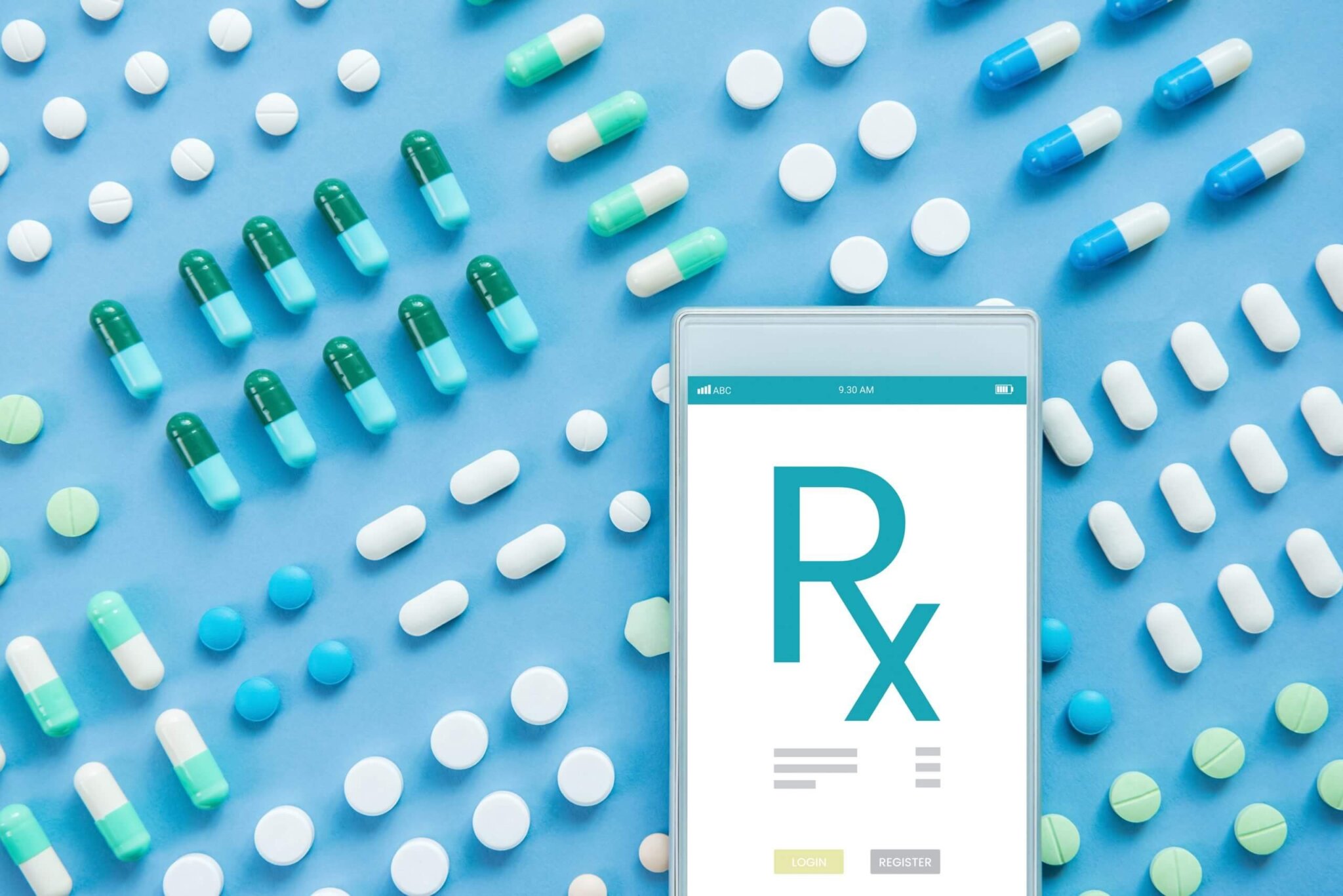
The announcement by the U.S. federal government of a new plan to introduce direct-to-customer (DTC) access for medications has some serious implications for employers, brokers, and self-insured plan administrators. This article focuses on the likely effects of cost containment and strategic sourcing of the TrumpRx plans. The question remains: Do we know enough to claim that TrumpRx is part of a general solution to lowering employer Rx spending?
- TrumpRx is designed as a direct-to-consumer (DTC) model in which patients can buy medications directly from manufacturers through a federal portal.
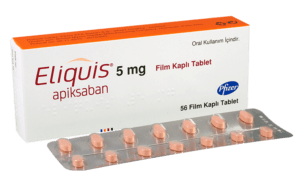
- Initial deals (like one with Pfizer) promise deep discounts, but primarily target cash-pay patients, not insurers or employers.
- It could upset the pharmacy benefit manager (PBM) structures that are presently inflating prices, but it’s unclear whether this disruption will lead to meaningful savings for employer-sponsored plans.
At this stage, TrumpRx appears more like a roadmap than a fully-formed solution. It may eventually push price transparency forward, but its actual effect on employer drug cost containment remains speculative at best.
U.S. drug costs are out of control
U.S. employers are not new to the pain of prescription drug inflation. On average, Americans pay two to three times more for medications than residents of other developed nations. This gap is especially stark for branded and specialty medications.
- Despite measures like the Inflation Reduction Act, prices continue to rise faster than inflation.
- Roughly one-third of prescriptions go unfilled because patients can’t afford them.
- PBMs, the entities that manage pharmacy benefits for insurers, have come under fire for markups, access restrictions, and billions in profits from spread pricing.
Current strategies, such as higher co-pays or drug-tier exclusions, aren’t fixing the problem. If anything, they’re shifting more of the cost onto employees without solving the structural inefficiencies.
How insurance companies are directly inflating consumer drug prices
Healthcare-brew.com recently reported that the FTC has provided compelling evidence that some pharmacy benefit managers (PBMs), especially the three largest companies, markup prices by thousands of percent on life-saving drugs. For employers and benefit plan sponsors, this becomes an invisible tax passed down through premiums, deductibles, and out-of-pocket expenses.
- PBMs often profit by charging insurers more than they reimburse pharmacies (a practice known as “spread pricing”).
- Rebate aggregators further obscure pricing, leading to missed savings opportunities for employers.
- Patients increasingly turn to direct-to-customer programs like Lilly Direct or Pfizer for All, but these benefit individuals, not employer plans.
- Commercial enterprises such as Cost Plus Drugs and GoodRx are alternative DTC sources. However, they still cannot compete on equal terms with the subsidized prices offered by Tier 1 global pharmacies, such as IsraelPharm, as detailed in our article on TrumpRx and DTC.
The question for employers is not whether DTC saves employees money at the counter. It’s whether those savings translate into reduced treatment plan costs. Currently, the answer is no.
Private health insurers and employee health administrators are bearing the cost burden of high Rx spending
Without strong cost-containment strategies, self-insured employers remain vulnerable to the ever-expanding reach of inflated drug prices. While the TrumpRx plan may offer savings for individuals, it does not address the underlying structural issues employers face:
- Limited formularies and coverage exclusions alienate patients without addressing root costs.
- Increased PBM audits and regulatory pressure compound the administrative burden.
- Transparency in drug pricing is welcome, but on its own, it does not reduce acquisition costs for employer-funded plans.
What employers need is a model that aligns price transparency with true affordability at the plan level.
What this means for self-insured employers
For self-funded health plans, TrumpRx presents a double-edged sword. On the one hand, individual employees may save money by purchasing discounted drugs directly. On the other hand, employers lose visibility into utilization patterns, adherence trends, and total plan costs.
Without a full picture of drug consumption and pricing, employers cannot manage risk, negotiate effectively with PBMs, or demonstrate fiduciary responsibility under the Consolidated Appropriations Act.
- Discounts under TrumpRx are limited and unpredictable.
- Branded drugs remain expensive, even at a “discounted” DTC price.
- Employers may be tempted to adopt carve-out or alternative funding models, but these introduce compliance risks if not carefully structured.
In short, TrumpRx may reduce consumer outrage, but it doesn’t reduce self-insured employer pharmacy costs in any meaningful or predictable way.
The self-funded model
For employers, brokers, and self-insured plan sponsors wrestling with relentless prescription drug inflation, the calculus around benefits strategy is changing fast. More companies are moving away from fully insured plans toward self-funded models that offer greater transparency and control over pharmacy spend.
This shift is driven by the reality that traditional insurance and PBM-led pricing structures too often shield costs rather than reduce them. In this environment, integrating an international pharmacy partner into your pharmacy benefits toolkit is not just tactical; it’s strategic: trusted international sources can deliver the same regulated, high-quality medications at substantially lower price points, helping employers curb specialty drug spend, improve employee adherence, and enhance overall benefits value.
By enabling direct access to competitively-priced medications and bringing accountability into the pharmacy supply chain, international pharmacy solutions complement self-funded plan designs and empower benefits professionals to deliver measurable savings without compromising quality.
IsraelPharm provides cost relief for employers
Unlike emerging federal models, international drug sourcing through a licensed cross-border pharmacy, such as IsraelPharm, offers meaningful savings on high-cost medications. This approach is compliant, trackable, and customizable to support diverse benefits frameworks.
- IsraelPharm is a fully licensed pharmacy operating under the oversight of the Israeli Ministry of Health.
- It offers between 40-80% savings on branded medications and 30–40% on generics.
- Employers retain complete oversight of member drug usage and costs.
- Can be seamlessly integrated into existing employee health benefit plans.
- Supplies are reliable, minimizing the risk of shortage disruptions.
IsraelPharm’s model is not dependent on unpredictable negotiations or political changes. Instead, it gives employers what they need most: a consistent, transparent, and lower-cost channel to support employee health, without sacrificing the goal of health cost containment.
Summary: Even with TrumpRx, employers may still need health cost containment
- TrumpRx will probably pay attention to drug pricing, but can it provide a real solution for employer plans?
- PBMs continue to obscure costs and profit from opaque rebate systems.
- Self-insured employers must seek alternatives that offer visibility, stability, and measurable cost containment.
- International sourcing through IsraelPharm can deliver consistent savings and employee satisfaction.
- The future of employer drug benefit design lies in transparency, flexibility, and global sourcing, not just DTC portals.
Frequently asked questions about employer health cost containment
What is TrumpRx, and how will it work?
TrumpRx is planned to be a federal initiative aimed at helping U.S. patients buy prescription medications directly from manufacturers through a government-run portal. Patients could pay out of pocket for medications at discounted prices set under a Most Favored Nation (MFN) pricing policy. The program is expected to launch in 2026 and could impact how drugs are distributed and priced in the U.S.
Could TrumpRx help employers save on pharmacy costs?
Not directly. TrumpRx is focused on individual cash-pay patients. Employers still rely on PBMs or self-managed plans to provide pharmacy benefits. While employees may use TrumpRx to buy discounted medications, employers don’t benefit from these savings and may lose visibility into drug usage trends.
How are PBMs affecting employer drug costs?
PBMs often act as intermediaries between drug manufacturers and insurers. They have been accused of marking up prices, profiting from spread pricing, and obscuring rebate structures. According to the FTC, some PBMs have inflated the costs of life-saving drugs by thousands of percent, ultimately raising plan costs for employers.
Is international drug sourcing legal for self-insured employers?
Yes, when done through licensed pharmacies like IsraelPharm, international drug sourcing is legal and fully compliant. It allows employers to purchase the same branded medications at significantly lower costs, with full regulatory traceability and quality assurance. This strategy is already in use by many self-insured plans seeking sustainable savings.
Why doesn’t increased pricing transparency lower employer drug spending?
Transparency alone doesn’t change the price employers pay for acquiring medications. Even if employees can see lower prices through programs like TrumpRx, employer plans still deal with inflated PBM contracts, rebates, and unpredictable acquisition costs. Proper cost containment requires changing the sourcing and distribution model, not just revealing prices.
Could employers use TrumpRx pricing when negotiating with PBMs?
Possibly. As TrumpRx establishes lower cash prices, it creates new benchmarks that employers may reference in contract negotiations. However, because the TrumpRx model isn’t integrated into employer plans, it doesn’t directly reduce plan costs or eliminate the need for more effective sourcing strategies.
What are the risks of DTC portals like TrumpRx for self-insured plans?
When employees bypass their employer plan to use DTC options like TrumpRx, employers lose data visibility. This impacts adherence tracking, care management, and formulary decisions. It can also raise fiduciary concerns under federal regulations that require employers to demonstrate prudent benefit management.
Is it better for employers to limit drug coverage or explore alternatives?
Limiting coverage may save money in the short term, but risks poor health outcomes and employee dissatisfaction. Alternatives such as international sourcing from IsraelPharm allow employers to maintain broad access to medications at lower cost, supporting both employee health and cost containment. It’s a more sustainable and member-friendly strategy.