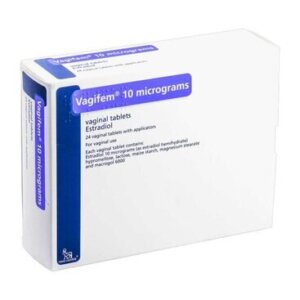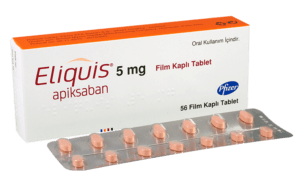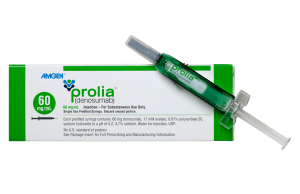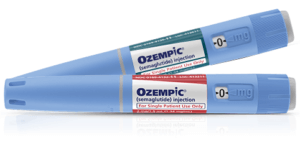
 U.S. patients are struggling with already high and continuously rising brand-name drug prices. Prescription drug pricing in the United States has become one of the most visible pressure points in household healthcare spending. Brand-name medicines routinely cost several times more in the U.S. than in other advanced economies, even when the products are identical and manufactured by the same companies.
For insured patients, these prices directly affect monthly healthcare costs through rising premiums, deductibles, and co-insurance. For cash-pay patients, including many retirees and self-employed workers, the full retail price is unavoidable. As a result, more Americans are beginning to look for alternative models for sourcing medication rather than accepting exorbitant domestic pricing.
This environment has generated interest in cross-border pharmacy programs. These programs offer a structured way to access prescribed medicines from licensed pharmacies operating in countries where pricing is regulated, margins are capped, and supply chains are tightly supervised.
Why Americans are now looking abroad for sensibly-priced medication
Cross-border pharmacy programs generally involve licensed international pharmacies dispensing prescription medicines directly to patients through mail-order or door-to-door delivery. Prescriptions are authenticated, filled, and shipped in accordance with the source country’s rules, often with additional compliance checks for international export.
Not all international sourcing operates at the same level of quality or reliability. Differences emerge across:
- Regulatory strength and enforcement
- Pharmacy licensing standards
- Oversight of wholesalers and distributors
- Transparency of pharmacy-to-customer supply lines
In most developed countries, governments intervene directly in pharmaceutical pricing. Canada, the UK, Australia, and Israel all limit prices through negotiation, reference pricing, or direct price caps. These mechanisms exist to protect public healthcare budgets and to produce lower list prices that remain relatively stable over time.
Choosing the right source matters because international pricing advantages can be undermined by:
- Weak regulation
- Fragmented supply chains
- Non-English or non-standard labeling and documentation
- Lack of professional support or accountability
Recent global trade tensions and tariffs have further highlighted the importance of resilient supply chains. While personal prescription imports are rarely tariff-driven directly, upstream pricing, logistics costs, and availability are all affected by broader trade policies.
Comparing how drug supply regulations work in most other advanced economies
Sidebar: Why identical medicines can cost 40–70% less outside the U.S.
The price gap between U.S. pharmacy shelves and international markets is not driven by manufacturing cost. For most branded medicines, production represents a small fraction of the final U.S. retail price. The difference emerges downstream, at the pricing and distribution level.
In the United States, manufacturers set a high list price, then negotiate confidential rebates with insurers and pharmacy benefit managers. These rebates rarely benefit cash-paying patients. Instead, they sustain a system where:
- List prices rise to fund rebates
- Cash prices track the highest published price
- Transparency is limited
In regulated markets such as Israel, pricing works differently:
- Maximum prices are set or approved by government authorities
- Across-the-board price reductions are periodically enforced
- Margins for wholesalers and pharmacies are capped
The result is a structurally lower starting price. For many brand-name medicines, Israeli list prices can be 40–70% lower than typical U.S. cash prices, even before insurance distortions are considered. Importantly, these lower prices apply to the same originator products, manufactured by the same companies, under the same quality standards.
Outside the United States, pharmaceutical markets are rarely left to operate without price controls. Most advanced economies outside the U.S. bundle healthcare into the overall range of government services, which means they have to budget and treat medicines as strategic healthcare goods rather than consumer products, applying regulation across costing, retail pricing, and distribution.
In Canada, the Patented Medicine Prices Review Board (PMPRB) evaluates patented drug prices against international benchmarks. Its mandate is to prevent prices from being excessive, not necessarily to achieve the lowest possible price. As a result, Canadian prices are typically lower than U.S. prices, yet still relatively high compared with many OECD peers.
The United Kingdom uses centralized negotiation through the National Health Service, leveraging national purchasing power to secure discounted prices. Australia operates a similar system through the Pharmaceutical Benefits Scheme, combining price negotiation with strict formulary controls.
Israel represents a particularly structured model. The Ministry of Health regulates:
- Maximum allowable prices for many prescription medicines
- Mandatory price reductions applied periodically
- A national “Health Basket” defining reimbursed therapies
This system contrasts sharply with the U.S. market, where regulatory oversight focuses almost exclusively on safety and efficacy through the FDA, with no authority over pricing once approval is granted.
In practice:
- Canadian prices are moderated but not aggressively low
- UK and Australian prices are often lower but tightly rationed
- Israeli price caps and periodic reductions can create durable pricing advantages for originator drugs
Outlining the concepts of tier-1 vs. “grey market” sourcing: What customers rarely see.
Tier-1 sourcing refers to medicines dispensed within highly regulated healthcare systems by licensed pharmacies operating under continuous government oversight. These products are manufactured, stored, and distributed under strict good manufacturing and good distribution practice standards.
Key characteristics of tier-1 sourcing include:
- Recognised regulatory authorities
- Audited manufacturers and distributors
- End-to-end traceability
- Documented cold-chain handling where required
Grey-market sourcing exists outside these structures. Products may originate from legitimate manufacturers but move through loosely regulated intermediaries, secondary wholesalers, or parallel traders operating across multiple jurisdictions.
Risks associated with grey-market routes increase when:
- Supply chains are opaque
- Temperature controls are inconsistent
- Repackaging or relabeling occurs
These risks are particularly acute for biologics, oncology therapies, and injectable medicines, where stability depends on precise handling.
Head-to-head comparison – Israel vs Canada
IsraelPharm’s operating model reflects the structural economics of Israel’s pharmaceutical system rather than tactical discounting. The advantage begins with pricing rules, not marketing strategies.
Israel operates under a centrally supervised pricing framework. Many prescription medicines are subject to:
- Government-approved maximum prices
- Mandatory periodic price reductions
- Strict limits on distributor and pharmacy margins
This creates a durable pricing baseline that is often meaningfully lower than U.S. cash prices and, in many cases, lower than Canadian cash-export pricing once service fees are included.
IsraelPharm sources medicines directly from licensed Israeli pharmacies operating under Ministry of Health oversight. This structure delivers several practical advantages:
- Tier-1 regulatory supervision equivalent to other leading Western healthcare systems
- Direct pharmacy-to-customer dispensing without shadow wholesalers
- Traceable sourcing from manufacturers or authorized distributors
For temperature-sensitive therapies, IsraelPharm places particular emphasis on validated cold-chain logistics. These systems are designed to preserve product integrity throughout international transit, a factor that directly affects clinical reliability even when a drug appears visually unchanged.
English labeling and patient documentation further reduce friction for U.S. customers. Clear instructions, consistent packaging, and accessible support help minimize misunderstanding and dosing errors.
Canadian cross-border programs continue to serve an important role. However, several structural constraints apply:
- Canadian domestic pricing is already relatively high within the OECD
- Export programs face quota and supply limitations
- Many “Canadian” pharmacies source products from third countries
When total cost, supply consistency, and documentation quality are considered together, Israeli tier-1 sourcing through IsraelPharm can offer a more predictable value proposition rather than a headline discount that varies over time.
Why reliable and transparent sourcing matters so much
Many people are already engaged in online purchasing from international sourcing. Still, there is a quantum difference between the desire for an honest supply of ordinary household or hobby goods that people are already comfortable buying on Amazon or Temu, and the absolute need for transparency, safety, and compliance when buying medications online. Skipping items or deviating from the order isn’t a matter of inconvenience or annoyance, like when the socks you ordered came in the wrong size or color. Drugs must be exactly what the doctor prescribed, packaged and transported safely, and with clear instructions and labels in English.
Delivery and logistics can matter more than price
Many modern medicines are highly sensitive to storage conditions. Cold chain refers to a controlled temperature environment maintained from the pharmacy to the patient.
- Biologics and injectables can degrade if exposed to heat or freezing
- Loss of potency may not be visible
Professionally managed cold-chain shipping relies on validated packaging, continuous monitoring, and predictable transit times. This infrastructure is a defining feature of responsible international pharmacies.
What are the legal & ethical considerations for U.S. customers
Personal importation of prescription medicines into the United States operates within a complex legal framework. While the FDA generally discourages importation, enforcement priorities tend to focus on products that present clear safety risks.
Recent regulatory changes have removed informal allowances that previously existed for limited personal importation. As a result, due diligence is essential.
Responsible customers typically:
- Consult healthcare providers before sourcing changes
- Review FDA and Customs guidance
- Distinguish FDA-approved medicines with foreign labeling from non-approved versions
Working with established tier-1 pharmacies reduces exposure to regulatory, safety, and documentation risks.
Takeaway: What cross-border pharmaceutical sourcing can bring you in real value-for-money
- Lower prices are sustainable only when they are built into regulated pricing systems
- Canadian sourcing can reduce costs but remains constrained by domestic pricing and supply politics
- Grey-market routes may look cheaper but introduce quality, stability, and legal uncertainty
- Israeli tier-1 sourcing via IsraelPharm combines regulated pricing, high regulatory standards, validated logistics, and clear English documentation
Frequently asked questions about cross-border buying of prescribed medicines
Is cross-border pharmacy sourcing legal for U.S. patients?
Cross-border sourcing exists in a legal grey area. The FDA discourages importation but prioritizes enforcement around safety risks rather than individual patients. Tier-1 pharmacies operating under strong regulatory oversight reduce exposure.
Why are the same medicines cheaper outside the United States?
Most countries regulate prices directly through negotiation or statutory caps. These controls limit price inflation and reduce variation between markets.
Are international pharmacies held to the same standards as U.S. pharmacies?
Tier-1 international pharmacies operate under standards comparable to U.S. requirements, including GMP, GDP, and post-marketing surveillance.
Do “Canadian pharmacies” always ship from Canada?
Many do not. Due to supply quotas and pricing pressures, products are often sourced from other regulated markets.
What risks exist when using unregulated sources?
Risks include degraded products, incomplete documentation, temperature excursions, and legal exposure.