 Winter health care looks different depending on where a family lives, past experiences, and overall health. Some people think of winter as a cozy season, while others remember long, dark days and the extra effort it takes to keep everyone feeling well.
I grew up in a climate where winter meant long, dark, and cold nights. But it also meant the joy of pure snow right outside our door, with at least a few glorious hours of outside play. Looking back, I can see that it was much harder on my parents than it was on us kids, especially when the weather turned against us and kept us indoors for days on end. Yikes.
I also remember that for some in my family, winter meant something completely different – an undercurrent of worry when the windows closed as the weather went cold, and the potential of lurking bugs and viruses that could flourish even in the warm confines of our home. On top of staying warm and well fed, staying healthy became a prime focus of everyday life in my family.
Why winter makes it harder to keep families healthy
Many of the challenges families face in winter come from simple changes in daily life. Shorter days, colder temperatures, and more time spent indoors all shape how bodies respond and how germs spread.
- Seasonal changes mean less sunlight and altered sleep patterns.
- Families spend more time together in shared indoor spaces.
- Schools, workplaces, and public transport increase close contact.
- Cold air can irritate airways and dry out nasal passages.
All of this makes winter a time when paying attention to everyday health habits matters more.
Some basic rules are easy to adjust
Winter does not require dramatic changes. Small adjustments can help families stay steady and comfortable through the colder months.
- Sleep routines may need to shift. The body responds to seasonal changes in light; earlier nights or slower mornings can support natural rhythms.
- Staying hydrated matters even when thirst feels lower. Heated indoor air can be drying, and regular fluid intake still supports overall health.
- Balanced meals help avoid boredom-driven snacking that often comes with being indoors more.
- Vitamin D becomes more important when sunlight exposure drops during winter months.
Supporting immunity with daily habits
Winter health tips for families often focus on routines that are easy to maintain and realistic for busy households.
- Regular meals that include a variety of foods.
- Light movement or indoor activity to stay physically engaged.
- Managing stress by keeping expectations simple during busy periods.
- Reducing the spread of illness by resting at home when someone feels unwell.
These habits support family immune health without adding pressure or complexity to daily life.
Be aware of the warning signs of respiratory and nasal changes
Respiratory health in winter deserves attention because cold air and indoor heating can affect breathing comfort.
- The nose acts as the body’s first line of defense.
- Nasal passages help filter, warm, and moisten the air.
- Dry or irritated nasal tissues can feel uncomfortable and congested.
Paying attention to nasal comfort can support both day-to-day well-being and overall winter illness prevention.
Clean airways are a part of winter health care
Nasal care is often overlooked, yet it plays a quiet role in staying healthy during winter. Simple nasal hygiene helps keep passages comfortable when air is dry and indoor environments are shared.
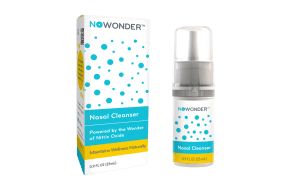
One option some families choose is Nasodine® Nasal Spray. Nasal cleansers are designed to support nasal comfort by helping remove everyday irritants from the nasal lining.
- Povidone-iodine releases iodine on contact.
- Iodine can inactivate microbes on nasal surfaces.
- The formulation is designed to be gentle on nasal passages.
- It is supported by more than a decade of research and development.
- Human trials and peer-reviewed studies support its safety profile.
- It is intended for adults and children aged 12 and older.
As with any health product, families may wish to discuss options with a qualified healthcare provider.
Don’t be SAD 
Alongside physical health challenges, winter can affect mood and energy. Seasonal Affective Disorder, often shortened to SAD, is a form of depression linked to seasonal changes.
Alongside the familiar features of winter’s effects on health, like infections from rampant germs and viruses, there is another side, which is the effect it can have on intangibles, like thoughts and moods. Seasonal Affective Disorder (SAD) is a type of depression linked to seasonal changes, typically starting in fall/winter with symptoms like low mood, fatigue, and cravings. It’s caused by reduced sunlight exposure, leading to mood changes and affecting energy, sleep, and appetite. It is more common in women, and can be linked to where you are – the further from the equator, the worse it can get. Treatments include light therapy, psychotherapy (like CBT), and medications. Often, the most effective way of combating SAD is through simple lifestyle changes, but it’s important to distinguish it from general “winter blues” so that proper care is taken.
Causes of seasonal affective disorder and risk factors
- Reduced sunlight can affect serotonin and melatonin levels.
- Changes in circadian rhythms may disrupt sleep and mood.
- Risk factors include being female, living farther from the equator, family history of depression, and younger adulthood.
Symptoms of SAD
- Mood changes, including sadness, irritability, anxiety, or feelings of worthlessness.
- Energy changes, such as ongoing fatigue.
- Sleep changes, including oversleeping or difficulty sleeping.
- Appetite changes, including carbohydrate cravings and weight gain.
- Behavior changes, such as social withdrawal or loss of interest in activities.
In rare cases, serious warning signs can include thoughts of death or suicide, especially in people with existing mental health conditions. Professional support is important when symptoms feel overwhelming.
Winter means families may need extra nasal care
During winter, families often share more indoor environments, increasing exposure to airborne irritants and seasonal illnesses.
- Travel and gatherings bring people into closer contact.
- Indoor heating dries out nasal passages.
- Children and adults may experience more congestion and discomfort.
Supporting nasal comfort is one part of keeping kids and adults healthy in winter.
Create a simple family winter health routine
Cold season wellness tips work best when they are easy to follow and shared by everyone in the household.
- Choose consistency over intensity.
- Focus on small daily habits rather than strict rules.
- Adjust routines so they are age-appropriate.
Simple routines help reduce stress and support steady wellbeing throughout the season.
Sensible steps to take in winter
- Dress in layers, even indoors when temperatures vary.
- Wear supportive, non-slip footwear.
- Watch for ice on walkways and steps.
- Check weather forecasts before traveling.
- Keep vehicles prepared with fuel, a charged phone, and basic emergency supplies.
- Allow extra time when driving to reduce the risk of slips or falls.
Learn about reliable products and where to get support
IsraelPharm is a source of trusted health products that people have been relying on for more than 15 years. It’s also backed up with trained people who can give advice and support, helping to keep your family healthy whatever the weather. When medicines are needed, IsraelPharm can bring them straight to your door, at prices you can afford.
Takeaway – winter health care is about preparation
- Families benefit from steady, shared routines.
- Small, realistic steps can make a meaningful difference.
- Preparation supports confidence through the winter months.
Frequently asked questions about winter health care
What does winter health care mean for families?
Winter health care focuses on helping families stay well during colder months by supporting daily habits, comfort, and awareness. This includes managing sleep changes, hydration, nutrition, nasal comfort, and emotional wellbeing. It does not require extreme measures, but rather steady routines that fit into everyday life. Families may also choose to consult healthcare providers for guidance that reflects individual needs.
Why do families get sick more often in winter?
Winter encourages people to spend more time indoors, which increases close contact and makes it easier for germs to spread. Cold, dry air can also irritate airways and nasal passages, making them less comfortable. Together, these factors can increase the risk of seasonal illness during winter months.
How does seasonal affective disorder relate to winter health care?
Seasonal affective disorder is linked to reduced sunlight during fall and winter. It can affect mood, energy, sleep, and appetite. Recognizing changes in emotional well-being is an important part of winter health care, especially for families living in colder climates. Professional support is recommended when symptoms interfere with daily life.
What are simple winter health tips for families?
Simple tips include keeping regular sleep routines, staying hydrated, eating balanced meals, staying lightly active, and managing stress. Paying attention to nasal comfort and respiratory health can also support overall well-being. These steps are meant to be supportive, not restrictive.
How can families support respiratory health in winter?
Supporting respiratory health may involve maintaining comfortable indoor air, staying aware of nasal dryness or congestion, and choosing habits that reduce irritation. Some families explore nasal care products as part of their routine, while others focus on environmental comfort and rest. A healthcare provider can offer guidance when needed.
When should families seek professional help during winter?
Professional support may be helpful when physical symptoms persist, mood changes become overwhelming, or daily functioning is affected. Winter health care includes recognizing when extra guidance is needed and reaching out to qualified healthcare providers for individualized advice.