 A recent article in one of my favorite sources of general information, WomensHealth, had an intriguing headline – Is NAD+ The Secret To Reversing Skin Aging? And it’s not just showing up in WomensHealth. Right now, NAD+ is being talked about online as if it were a shortcut to looking younger and feeling instantly recharged. Social media posts and glossy marketing sometimes describe it as a “wonder molecule” that can rewind aging, especially in the skin. Before we get carried away, let’s do a reality check.
NAD is not a fantasy beauty trend. It is a specific organic molecule that scientists have studied for decades. It exists in every living cell and plays an important role in how cells produce energy and carry out repairs to damages. The fantastic hype doesn’t necessarily mean that NAD is a fake. It’s coming from people leaping from it “being important for cellular repair” to “being a guarantee of visible skin transformation.” That certainly is a leap into the unknown.
It is better to try and understand NAD+‘s role in general cellular health. That includes energy production, cellular repair systems, and how cells respond to stress. Skin health can be part of this discussion because it is made of living cells that age and face daily environmental stress. But NAD still needs to be discussed with realistic expectations and simple explanations of what it can – and cannot – reasonably be expected to do.
NAD vs NAD+ – Why the “plus” matters
People often talk about “NAD” and “NAD+” as if they mean the same thing, but they are not identical. NAD exists in two main forms in the body: NAD+ (the oxidized form) and NADH (the reduced form). Together, they act like a rechargeable pair that helps cells transfer energy during metabolic reactions.
The “plus” in NAD+ is not just a detail. It refers to a specific electrical state of the molecule. NAD+ is the form that accepts electrons during cellular reactions. When it does, it becomes NADH. Later, NADH can be converted back into NAD+. This cycle is essential for how cells generate energy.
Here’s why this matters for aging and cellular health: as people get older, research has found that the balance between NAD+ and NADH can shift, and overall NAD+ availability may decline. Even small changes can matter, because NAD+ normally exists at relatively low concentrations inside cells compared to many other biological molecules.
That low concentration is important. NAD+ does not act like a bulk nutrient such as protein or glucose. It behaves more like a regulatory signal. Many enzymes that control repair, inflammation, and stress response – including a family of proteins called sirtuins – depend specifically on NAD+ to function. When NAD+ levels drop, the activity of these enzymes may also decline.
So when scientists talk about supporting the importance of NAD+, they are not just talking about “more energy” in a general sense. They are talking about maintaining the specific form of NAD that keeps key cellular maintenance systems running. That is very different from older ideas about NAD simply as a participant in basic metabolism. The focus today is on its role in cell regulation and resilience, especially under stress and with aging.
What NAD+ actually is
NAD stands for nicotinamide adenine dinucleotide. It is often described as a coenzyme, which means it helps other enzymes perform essential tasks. Researchers describe NAD+ as being involved in several key functions inside cells:
- Energy production, especially in the mitochondria where cells generate usable energy
- DNA repair, supporting systems that help maintain genetic stability
- Cell signaling, which helps coordinate how cells respond to stress and inflammation
- Metabolic regulation, including how the body processes fats, carbohydrates, and proteins
- Oxidative stress control, helping cells manage damage from everyday environmental and internal stressors
Because NAD+ supports so many basic processes, it is often discussed in the context of energy, recovery, and aging. That does not make it a single-target solution. It makes it part of the background machinery that keeps cells functioning.
Why NAD+ is linked to aging
Research studies have shown that NAD+ levels tend to decline with age in several tissues. Skin, along with the lining of the gut, is the most “stressed” organ in the body, being subjected to the direct effect of external forces, like varying temperatures, harsh sunlight, abrasion, and other forms of rough handling that cells inside the body are cushioned against.
Scientists believe the decline in NAD+ may reduce how efficiently cells produce energy and repair everyday damage. These changes are part of why NAD+ has become a topic in aging research, with special relevance to the skin.
Where the “younger-looking skin” claims come from
Skin is one of the most visible places where aging shows up. Researchers studying skin biology have linked cellular aging to changes such as:
- slower collagen production
- a weaker skin barrier, leading to dryness and irritation
- reduced repair after UV exposure
- less efficient antioxidant defense
Because NAD+ is involved in cellular energy and repair pathways, scientists are exploring whether supporting NAD+ might help skin cells function more efficiently. That is the biological idea behind many NAD+ skin-related claims.
The key word here is exploring. Dermatology experts often point out that while the biology is interesting, clear and consistent visible results in people are harder to prove. Getting NAD+ into the right cells in the right amounts is not simple, and outcomes can vary widely.
Why delivery matters so much
One of the most important points researchers raise is that NAD+ is a large molecule. When taken by mouth, it may be broken down during digestion. This is why many oral products use NAD+ “precursors” – building blocks the body can convert into NAD+.
Other delivery methods try to bypass digestion. Each method has trade-offs:
- Intravenous delivery bypasses the gut but may be uncomfortable and impractical for regular use
- Topical creams and serums aim to target the skin directly, but NAD+ can be unstable and may not penetrate deeply due to its size
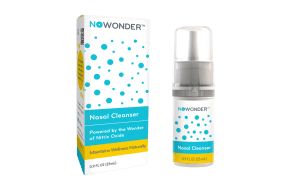
- Nasal delivery is designed to allow absorption through the nasal mucosa, avoiding a rough passage through the highly acidic digestive system
This is why simply seeing “NAD+” on a label does not tell the whole story. influences how much of it may actually reach cells.
A balanced way to think about NAD+
A grounded view of NAD+ focuses on supporting normal cellular processes rather than promising dramatic change. That includes:
- supporting energy production at the cellular level
- supporting repair and maintenance pathways
- supporting how cells handle everyday stress
Skin health can be part of this picture, but it is only one piece. NAD+ is better understood as a potential contributor to overall cellular resilience, rather than a stand-alone cosmetic solution.
How to get NAD+ in the form the body needs

Introducing NAD+ delivered the right way
As we said before, the best delivery route for NAD+ is avoiding oral transit, and rather delivering precise concentrations of the molecules directly into the lining inside the nose, where they can be absorbed directly into the blood stream without interference. At IsraelPharm, we have been able to set up a partnership with a pharmaceutical laboratory in the U.S. that manufactures NAD+ Nasal Spray. It is a formulation of compounded nicotinamide adenine dinucleotide, and each dose is designed specifically to deliver the rights concentration of NAD+ that will support the cellular functions for the specific user. If you are interested in learning more about the benefits of compounded drugs, visit out comprehensive explanation here.
What makes this approach distinct:
- Direct delivery: By administering NAD+ via the nasal mucosa, the formulation is designed to bypass the digestive system, potentially improving how much of the active coenzyme enters circulation. This is a key consideration in NAD+’s role in general cellular health, because large molecules like NAD+ can be broken down in the gut if taken orally.
- Bioavailability focus: Rapid uptake into the bloodstream means the body may use the compound more efficiently, which aligns with the goal of supporting cellular energy production and repair rather than chasing cosmetic or exaggerated outcomes.
- Clinical context: While popular culture often frames NAD+ as an anti-aging or skin-boosting accessory, our focus is anchored in how it may be relevant to cellular health broadly – from energy levels to metabolic resilience.
Frequently asked questions about NAD+’s role in general cellular health
Is NAD+ an important molecule?
Yes. NAD+ is naturally found in all living cells and has been studied for decades. It plays a central role in energy production and cellular repair systems.
What makes NAD+’s role in general cellular health help people to feel more energetic?
Because NAD+ is involved in how cells convert nutrients into usable energy. However, energy levels are influenced by many factors including sleep, stress, nutrition, medications, and medical conditions. NAD+ is only one part of that larger picture.
Does NAD+ really decline as we age?
Many studies report age-related declines in NAD+ levels in certain tissues. This decline is one reason researchers are interested in NAD+ in the context of healthy aging.
Will increasing NAD+ automatically make someone look younger?
No. While NAD+ supports cellular repair and energy pathways, visible aging involves many biological processes. Research into NAD+ and skin is ongoing, and results vary between individuals.
Why do experts emphasize delivery methods in NAD+’s role in general cellular health?
Because NAD+ must reach cells in a usable form to have an effect. Some forms may be broken down during digestion, and topical delivery can be limited by stability and penetration challenges.
Is NAD+ only about skin health?
No. NAD+ is involved in energy and repair processes throughout the body. Skin is one area of interest because it shows visible signs of aging, but NAD+ has much broader biological roles.
What is a realistic expectation about NAD+’s role in general cellular health?
A realistic expectation is support for normal cellular function, not a guaranteed or dramatic transformation. Subtle improvements in how the body handles energy and stress may be more realistic than visible overnight changes.
Are there possible side effects from nasal NAD+?
Depending on the form and delivery method, some people report effects such as headache, dizziness, or local irritation. Nasal spraying bypasses many of the unwanted side effects. but still, anyone considering NAD+ products should discuss their health history and medications with a healthcare professional.