Things to learn about treatment with denosumab

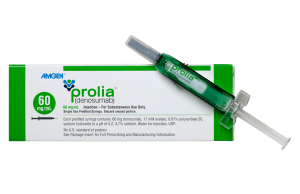
After age 60, bones thin faster and fractures become more likely. Prolia (denosumab) is a twice-yearly injection that helps lower fracture risk by slowing the cells that break down bone. For many older adults at high risk, it is a practical option, provided the plan is organized and consistent. Key points up front:
- Prolia treatment schedule for osteoporosis is every 6 months; timing matters.
- Staying on time with Prolia injections keeps protection steady between doses.
- Expect bone density improvement with Prolia when treatment stays on track.
- Consider planning travel around Prolia appointments to avoid delays.
- Know what to check before each dose of Prolia (labs and dental status).
- Discuss Prolia and chronic kidney disease safety if kidney function is reduced.
- Understand the danger of rebound fractures after stopping Prolia and plan an exit strategy.
- Ask about dental procedures while receiving Prolia and preventive care.
- Review long-term use of Prolia for osteoporosis and monitoring plans.
- Confirm monitoring calcium and vitamin D levels before Prolia treatment at each visit.
About Prolia after 60, osteoporosis, and denosumab
Osteoporosis weakens the skeleton, especially the spine, hip, and wrist. By the 60s, bone turnover speeds up and bone mass drops. Denosumab is designed to slow bone breakdown and reduce fracture risk in this setting. A twice-yearly plan supports adherence; the simplicity helps a person keep Prolia injection timing on schedule. Regular bone density scans (DEXA) show whether bone mineral density (BMD) improves over time.
Before each dose, a care team confirms labs and oral health. That includes monitoring calcium and vitamin D before Prolia treatment and making a plan for cleanings or extractions. Osteonecrosis of the jaw (ONJ) is a rare but serious possibility, so preventive dental habits matter; knowing about ONJ helps a person prepare wisely for any dental procedures while receiving Prolia.
Kidney function also matters in older adults. Conversations about treatment with Denosumab and chronic kidney disease safety ensure a person understands lab goals and symptoms to watch for. A simple calendar strategy helps with planning travel around Prolia appointments so doses land on time.
How does Prolia strengthen bones after 60?
Denosumab blocks RANKL, a natural signal that switches on osteoclasts, the cells that break down bone. With that signal turned down, bone breakdown slows. This lets bone-building cells work with less opposition, which can lead to bone density improvement with Prolia and fewer fractures over time. In plain terms, the denosumab mechanism reduces the “wear” on bones so daily stress is less likely to cause a break. Because the medicine’s effect wanes if a dose is late, staying on time with Prolia injections is central to maintaining steady protection.
About the effects of Prolia after 60

What effects does Prolia have?
When a person keeps the 6-month schedule, Prolia is associated with higher BMD on DEXA scan and fewer fractures in key sites like the spine and hip. Many people report peace of mind from a simple schedule rather than weekly pills. The flip side is the need for steady timing; long gaps can allow bone turnover to rebound. Good effects depend on the whole plan: calcium and vitamin D intake, activity, and fall-prevention steps at home all support what Prolia is doing at the bone level.
Which patients can Prolia be approved for?
In the U.S., Prolia is FDA-approved for postmenopausal women and for men with osteoporosis who are at high risk for fracture. It is also approved to treat bone loss in certain patients on hormone-lowering therapy for breast or prostate cancer who are at increased risk of fracture. For older adults, approval focuses on fracture risk, low BMD, and clinical history. A doctor weighs benefits, medical history, dental status, and kidney function before starting and during long-term use of Prolia for osteoporosis.
Facts to take away about treatment with denosumab
- Prolia is a twice-yearly plan; Prolia treatment schedule for osteoporosis is every 6 months.
- Staying on time with Prolia injections is the single most important success factor.
- Expect bone density improvement with Prolia when timing, nutrition, and activity align.
- Build logistics into life: planning travel around Prolia appointments reduces the chance of missed doses.
- Safety basics: what to check before each Prolia dose includes calcium, vitamin D, and dental review.
- Address Prolia and chronic kidney disease safety with lab monitoring.
- Know the risk of rebound fractures after stopping treatment with Denosumab; make a transition plan if stopping.
- Coordinate dental procedures while receiving Prolia to lower ONJ risk.
- Reassess long-term use of Prolia for osteoporosis with periodic DEXA scan and fracture review.
Frequently asked questions about Prolia for osteoporosis after 60
How often is Prolia given for osteoporosis in older adults?
Prolia is given every 6 months as a subcutaneous injection in a clinic setting. This fixed Prolia treatment schedule for osteoporosis keeps the medicine active across the full year. A person can set reminders and tie appointments to birthdays or seasonal events to keep timing steady. Because the drug’s effect is time-dependent, a clear calendar plan improves adherence and supports fracture risk reduction.
What happens if a Prolia injection is delayed or missed?
A significant delay can allow bone turnover to speed up again. That is why staying on time with Prolia injections is emphasized at every visit. If a dose is late, most clinicians arrange the injection as soon as possible and then reset the next 6-month interval from that new date. To avoid future gaps, consider planning travel around Prolia appointments or using two reminders, a paper calendar plus a digital alert.
What should be checked before each Prolia treatment?
Most practices confirm monitoring calcium and vitamin D before Prolia treatment, check for symptoms of low calcium, and review kidney function. A quick dental status screen also helps, because healthy gums and teeth lower procedural risk related to ONJ. This “pre-dose checklist” is the practical core of what to check before each Prolia dose: labs up to date, supplements adequate, and any upcoming dental work coordinated.
Can dental extractions or implants be done while on Prolia?
Yes, but planning is wise. For dental procedures while receiving treatment with Denosumab, good oral hygiene and routine cleanings reduce infection risk. If extractions or implants are needed, the dentist and the prescribing clinic coordinate timing and after-care. While osteonecrosis of the jaw (ONJ) is uncommon, preventive steps, like treating infections early and avoiding avoidable extractions, help keep the risk low.
How long can someone stay on treatment with Denosumab for osteoporosis?
Many older adults continue receiving treatment with Denosumab for years as long as the benefits outweigh risks. Decisions about long-term use of Prolia for osteoporosis consider fracture history, BMD trends on DEXA scan, tolerance, kidney function, and dental health. Periodic reviews, often every 1–2 years, help a doctor reassess goals and confirm that the current plan remains a good fit for the person’s fracture risk.
What are the main risks of stopping Prolia suddenly?
Stopping without a follow-on plan can cause a sharp rise in bone turnover, leading to rebound fractures after stopping Prolia, especially in the spine. To lower this risk, many clinicians arrange an “exit strategy,” often with another osteoporosis medicine started around the time the next Prolia dose would have been due. The key is advance planning so there is no unprotected gap.