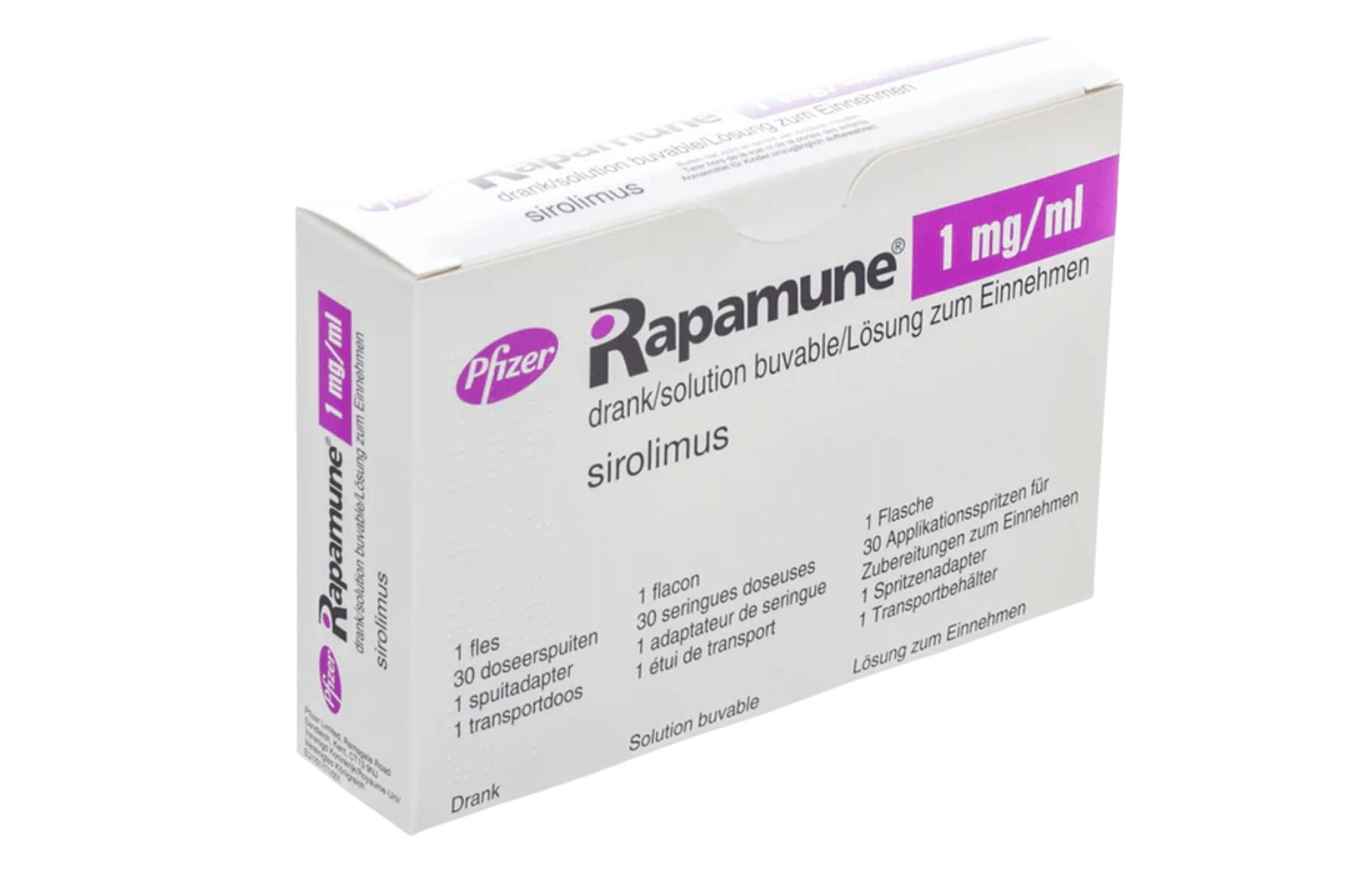
What is Rapamune?
Rapamune (sirolimus) is an immunosuppressive medication prescribed to prevent the body from rejecting a new kidney after a transplant. This medication is essential for helping the body accept the donor organ for long-term health. Rapamune belongs to a class of drugs known as mTOR inhibitors. It contains the active ingredient sirolimus, which plays a key role in moderating the body’s immune response. It is often used as part of a combination therapy with other medicines to ensure the transplant is successful.
How does Rapamune work?
Rapamune works by suppressing the body’s immune system to prevent it from attacking the new kidney. Its active ingredient, sirolimus, specifically targets and blocks a protein called mTOR. This protein is a key signal for the growth and multiplication of immune cells, particularly T-cells and B-cells. By blocking this signal, Rapamune reduces the number of active immune cells. This action prevents them from identifying the new kidney as a foreign invader and damaging it, which allows the organ to function properly.
Who is Rapamune for?
Rapamune is for adults and teenagers aged 13 or older who have received a kidney transplant. It is specifically intended for patients who have a low to moderate risk of organ rejection. The medication is prescribed to help their bodies accept and not reject the new donor kidney. Patients taking Rapamune require consistent medical follow-up, including blood tests, to ensure the drug levels are safe and effective. It is for individuals who can adhere to a strict daily medication schedule as prescribed by their transplant team.
Dosage and administration
Rapamune dosage is carefully personalized by a healthcare provider based on the patient’s needs and blood test results. The tablets are taken once daily, and you should take them at the same time every day. It is important to be consistent, either always taking it with food or always on an empty stomach. The tablets must be swallowed whole with water; do not crush, split, or chew them. You must avoid eating grapefruit or drinking grapefruit juice, as this can alter how the body absorbs the medicine. Never change your dose without consulting your doctor.
Side effects
Rapamune may cause side effects, although many people have no, or minor, side effects. Your doctor has prescribed this medication because the benefit to your health is greater than the risk of side effects. It is important to be aware of potential reactions. Common side effects include swelling of the hands or feet, high blood pressure, increased cholesterol, stomach pain, diarrhea, acne, and mouth sores. While less common, serious side effects can occur. These include signs of infection like fever or chills, a new or worsening cough, trouble breathing, or unusual bleeding or bruising. Seek medical help immediately for any serious symptoms.
Why buy from IsraelPharm?
IsraelPharm provides a secure and affordable option for purchasing your essential post-transplant medications. We make it easy to order Rapamune online from the comfort of your home. All medications are sourced from licensed manufacturers and pharmacies, ensuring you receive high-quality, genuine products. Our competitive prices help you save on long-term treatment costs. With discreet packaging and reliable shipping to your door, IsraelPharm is a trusted partner in your healthcare journey, dedicated to providing a seamless and professional service.
Common Side Effects
Most people taking Rapamune do not have serious side effects. However, some common effects may occur. Your doctor has determined the benefits outweigh the risks. Common side effects include:
- Swelling in hands, legs, or feet
- High blood pressure
- Increased cholesterol and triglycerides
- Stomach problems like pain, constipation, or diarrhea
- Acne or skin rash
- Mouth sores or ulcers
- Headaches or joint pain
- Urinary tract infections
Serious Side Effects
Contact your doctor immediately if you experience any serious symptoms. Seek emergency medical help for signs of a severe allergic reaction. Serious side effects include:
- Signs of infection like fever, chills, or a sore throat that won’t go away
- New or worsening cough or shortness of breath
- Signs of kidney problems, such as producing little or no urine
- Unusual bruising or bleeding
- Severe allergic reaction (swelling of face/throat, trouble breathing, hives)
This is not a complete list of side effects. For a full list, please consult the patient information leaflet that comes with your medication.
Preventing Kidney Transplant Rejection
Rapamune is prescribed to prevent the body from rejecting a kidney transplant. It is intended for adults and teenagers who have a low to moderate risk of rejection. The primary goal is to suppress the immune system so it accepts the new donor kidney.
Symptoms of Kidney Rejection
Rejection occurs when your immune system attacks the new kidney. It is important to watch for the following symptoms:
- Fever: A temperature over 100°F (38°C) can be the first sign of rejection.
- Pain: You may feel soreness or pain around the area of the new kidney.
- Swelling: Fluid retention can cause swelling in the hands, feet, or legs.
- Urine Changes: A significant decrease in urine output or very dark urine can be a warning.
- Flu-like Symptoms: General feelings of sickness, including chills, body aches, and nausea.
- Fatigue: A strong sense of being tired, weak, or unwell is another common sign.