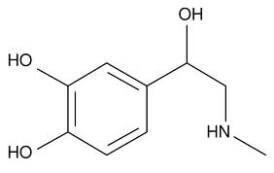
What is Epinephrine?
Epinephrine is a first-line medical treatment for life-threatening allergic reactions, a condition known as anaphylaxis. It is a synthetic version of a natural hormone your body produces called adrenaline. This medication acts rapidly to counteract the severe symptoms of an allergic reaction. Epinephrine is most commonly available in an auto-injector device. These devices are designed for easy use by patients or caregivers during an emergency. Auto-injectors ensure a correct, pre-measured dose is administered quickly. Many people with severe allergies to foods, insect stings, or medications carry an epinephrine auto-injector with them at all times. It is a vital tool that can prevent serious health consequences or death. Using it provides a crucial window of time to receive emergency medical attention. It is a cornerstone of emergency allergy care worldwide.
How does Epinephrine work?
Epinephrine works by rapidly reversing the most dangerous symptoms of anaphylaxis throughout the body. The medication acts on special receptors, called adrenergic receptors, which are found on cells in various tissues. When injected, it quickly constricts blood vessels. This action helps to increase blood pressure, which often drops to dangerous levels during anaphylaxis. It also reduces swelling and hives on the skin. In the lungs, epinephrine relaxes the muscles of the airways, which eases breathing difficulties and wheezing. Furthermore, the medication stimulates the heart, helping it to beat more strongly and maintain circulation. This multi-faceted action makes epinephrine uniquely effective in an allergic emergency. It stabilizes the body and prevents the reaction from progressing. The effects are fast but do not last long. That is why seeking professional medical help after every use is critical.
Who is Epinephrine for?
Epinephrine is for individuals who are at risk of experiencing a severe, life-threatening allergic reaction. This includes adults and children who have a known history of anaphylaxis. Doctors often prescribe it to patients with severe allergies to specific triggers. Common triggers include foods like peanuts, tree nuts, shellfish, and eggs. Insect stings from bees, wasps, or fire ants are another major reason for its use. Some people have severe allergies to medications, such as penicillin, or to latex. For these individuals, carrying an epinephrine auto-injector is an essential part of their safety plan. Having the medication readily available allows for immediate treatment if accidental exposure occurs. This immediate action can be life-saving. Anyone who has had a past severe allergic reaction should speak with a healthcare provider about getting a prescription for epinephrine.
Dosage and administration
Epinephrine dosage is based on a patient’s body weight and is available in pre-measured auto-injectors. The two most common doses are 0.3 mg for adults and children weighing 66 pounds or more, and 0.15 mg for children weighing between 33 and 66 pounds. A lower 0.1 mg dose is also available for infants and toddlers. The medication must be administered as soon as anaphylaxis is suspected. The auto-injector should be injected into the muscle of the outer thigh. It can be injected through clothing if necessary. After use, it is crucial to call for emergency medical services immediately. The effects of epinephrine can wear off, and the reaction could return. A second dose may be needed if symptoms do not improve or worsen after the first injection. Proper training on how to use the specific auto-injector device is vital for patients and their families.
Side effects
Epinephrine can cause side effects, though the benefits in a life-threatening situation far outweigh the risks. After an injection, it is common to experience feelings of anxiety, restlessness, or fear. You may also notice a fast, pounding, or irregular heartbeat. Other possible effects include shakiness, dizziness, headache, and sweating. These symptoms are generally temporary and resolve on their own. In rare cases, more serious side effects can occur, especially in patients with pre-existing heart conditions. These could include a very high spike in blood pressure or heart rhythm problems. It is important to remember that epinephrine is an emergency drug. The primary goal is to prevent death or serious disability from anaphylaxis. All side effects should be discussed with the emergency medical personnel who arrive after the injection is given.
Why buy from IsraelPharm?
IsraelPharm provides a reliable and affordable option for obtaining essential medications like Epinephrine. We are committed to making life-saving drugs accessible to the US market. Our platform offers a secure and straightforward way to order your prescriptions from a trusted source. We ensure that all medications are authentic and stored according to strict pharmaceutical standards. Our customer service team is available to assist you with any questions or concerns. Choosing IsraelPharm means you get competitive pricing without compromising on quality or safety. We handle your prescriptions with professionalism and care. Your health and security are our top priorities. Trust us to be your partner in managing your health needs effectively and affordably.
Like all medications, epinephrine can cause side effects. These are expected due to its powerful effects. Given its use in life-threatening emergencies, the benefits of using it are considered to far outweigh the potential risks.
Common side effects may include:
- Fast, irregular, or pounding heartbeat
- A feeling of anxiety or fear
- Shakiness or trembling
- Headache
- Dizziness
- Sweating
- Nausea or vomiting
- Pale skin
These side effects are usually short-lived. In individuals with pre-existing heart conditions, more serious side effects are possible but rare. Seek emergency medical attention after every use of epinephrine.
Epinephrine is primarily indicated for the emergency treatment of severe allergic reactions (Type I), including anaphylaxis. It is used to quickly manage symptoms brought on by triggers such as:
- Foods (e.g., peanuts, shellfish, milk)
- Insect stings or bites (e.g., bees, wasps, ants)
- Medications
- Latex
- Other allergens
- Exercise-induced or unexplained (idiopathic) anaphylaxis
It is also used in other medical emergencies like severe asthma attacks and cardiac arrest.