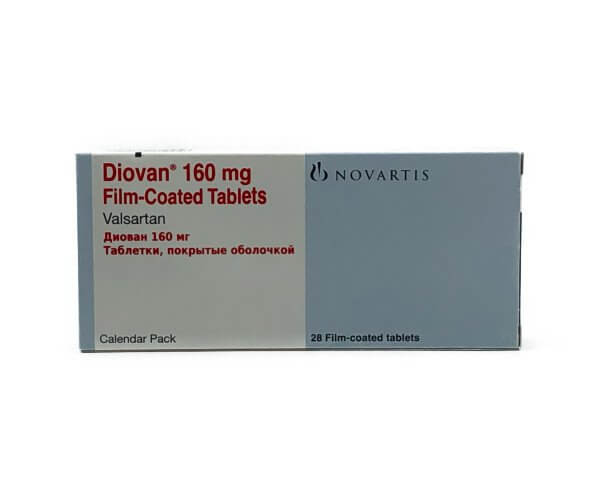
What is Diovan?
Diovan is the brand name for the medication valsartan, which is primarily used to treat high blood pressure (hypertension). It belongs to a class of drugs known as angiotensin II receptor blockers (ARBs). By effectively managing blood pressure, Diovan helps lower the risk of serious cardiovascular events such as strokes and heart attacks (myocardial infarctions). It can also be prescribed for patients with heart failure or to improve survival rates after a heart attack.
How does Diovan work?
Diovan works by blocking the action of a substance in the body called angiotensin II. Angiotensin II normally causes blood vessels to tighten and narrow. By inhibiting this substance, valsartan allows blood vessels to relax and widen. This process lowers blood pressure, making it easier for the heart to pump blood throughout the body. This improved blood flow reduces the heart’s workload and helps prevent damage to blood vessels that can lead to heart attacks and strokes.
For more information, view our blog
New Options for Treating Chronic Kidney Disease
Who is Diovan for?
Diovan is intended for adults and children (typically age six and older) who have been diagnosed with high blood pressure. It is also prescribed for adult patients managing chronic heart failure, where the heart muscle cannot pump blood effectively. Furthermore, it is used to improve the chances of survival for patients who have recently had a heart attack. Your doctor will determine if Diovan is the right medication for your specific condition based on your health profile and medical history.
Dosage of Diovan and administration
The correct dosage and administration of Diovan must be determined by a healthcare professional based on the patient’s condition, age, and response to treatment. Diovan is an oral tablet that is typically taken once daily, with or without food. It is crucial to take the medication at the same time each day to maintain a consistent level of the drug in your body. Do not alter your dose or stop taking Diovan without first consulting your doctor, as this can cause a sudden and dangerous rise in blood pressure.
Reported side effects of Diovan
While many people experience no side effects, Diovan can cause adverse reactions in some patients. Common side effects often resolve as your body adjusts to the medication and may include dizziness, headache, or a runny nose. However, more serious side effects require immediate medical attention. In rare instances, valsartan can lead to a condition that causes the breakdown of skeletal muscle, potentially resulting in kidney failure. It is important to discuss all potential risks with your doctor before starting treatment.
Why source Diovan from IsraelPharm?
Choosing IsraelPharm to fill your Diovan prescription ensures you receive genuine, brand-name medication sourced from a licensed pharmacy. We provide a straightforward and secure online ordering process, with competitive pricing that makes managing your cardiovascular health more affordable. Our customer service team is available to assist you, and we offer discreet shipping directly to your home. By prioritizing safety, convenience, and value, IsraelPharm is a trusted partner for your long-term health needs.
Some patients may experience side effects when taking Diovan. Be sure to discuss potential risks with your doctor.
Less serious side effects may include:
- Headache or dizziness
- Runny or stuffy nose and sore throat
- Cough
- Diarrhea or constipation
- Stomach pain or loss of appetite
- Tired feeling or weakness
- Back pain
- Sleep problems (insomnia)
Stop taking Diovan and seek immediate medical help if you experience signs of a serious allergic reaction or other severe effects, such as:
- Hives, difficulty breathing, or swelling of the face, lips, or tongue
- Feeling like you might pass out
- Chest pain or fast, pounding heartbeats
- Eye pain or vision problems
- Muscle pain, tenderness, or weakness, especially with a fever
- Dark-colored urine
- Swelling or rapid weight gain
Diovan® (valsartan) is indicated for the treatment of hypertension to lower blood pressure. Lowering blood pressure reduces the risk of fatal and nonfatal cardiovascular events, primarily strokes and myocardial infarctions.