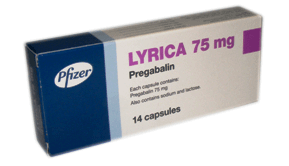
What is Lyrica?
Lyrica is a brand-name prescription medication with the active ingredient pregabalin. It is widely used to treat several different types of medical conditions in adults. Doctors primarily prescribe it to manage nerve pain, which can be difficult to treat with standard painkillers. It is also recognized as an effective treatment for fibromyalgia, a chronic condition that causes widespread pain and fatigue. Additionally, Lyrica is an anticonvulsant medication used to control certain types of seizures associated with epilepsy. Finally, many people use Lyrica for managing generalized anxiety disorder, where it helps to reduce symptoms of excessive worry and tension. It works on the central nervous system to achieve these effects.
How does Lyrica work?
Lyrica works by binding to a specific part of calcium channels in the central nervous system. This action reduces the release of certain neurotransmitters (brain chemicals) that signal pain, cause seizures, or contribute to anxiety. By calming down these overactive nerve signals, Lyrica effectively decreases pain sensations for those with neuropathy or fibromyalgia. For epilepsy, it reduces the abnormal electrical activity in the brain that leads to partial onset seizures. In cases of generalized anxiety disorder, its ability to inhibit excitatory neurotransmitters helps to create a calming effect, which is different from how many other anxiety medications function.
Who is Lyrica for?
Lyrica is for adults aged 18 and older who have been diagnosed with an approved medical condition. This medication is specifically intended for patients experiencing neuropathic pain, which is nerve-related pain. This includes pain resulting from diabetic peripheral neuropathy, postherpetic neuralgia (pain after shingles), and nerve damage from a spinal cord injury. It is also a suitable treatment for individuals with fibromyalgia. Furthermore, Lyrica can be prescribed as an adjunctive therapy for adults who have partial onset seizures. Patients diagnosed with generalized anxiety disorder (GAD) may also be prescribed Lyrica to help alleviate their symptoms.
Dosage and administration
Lyrica dosage and administration are determined by a healthcare provider based on the specific condition being treated, kidney function, and patient response. The medication is typically taken two to three times per day in capsule form, and it can be taken with or without food. To ensure the best results, it is important to take Lyrica at the same times each day to maintain a consistent level of the drug in your body. If you miss a dose, you should take it as soon as you remember. However, do not take two doses at once to make up for a missed one. Never alter your dose or stop taking Lyrica without first consulting your doctor, as it needs to be tapered off gradually.
Side effects
Lyrica may cause side effects, though not everyone experiences them. You should seek immediate medical attention if you experience signs of a serious allergic reaction. These signs can include swelling of the face, mouth, or throat, difficulty breathing, or a severe skin rash. The most common side effects associated with Lyrica are often mild. They can include dizziness, drowsiness, blurred vision, and dry mouth. Some people may also experience weight gain, swelling in their hands and feet (edema), or have difficulty concentrating. This is not an exhaustive list. You should always consult your doctor if you experience any persistent or bothersome side effects.
Why buy from IsraelPharm?
IsraelPharm provides a safe and convenient way for you to order your Lyrica prescription online. We are committed to offering genuine, brand-name medications, sourced from trusted manufacturers like Pfizer, at affordable prices. Our platform simplifies the process of getting the treatment you need, delivering it directly to your door. Our licensed team of pharmacists is available to answer your questions and ensure you receive the correct medication as prescribed by your doctor. With our focus on customer care and accessibility, choosing IsraelPharm means choosing a reliable partner for your health needs.
Seek immediate medical attention for any signs of a severe allergic reaction, including:
- Swelling of the face, lips, tongue, or throat
- Difficulty breathing or wheezing
- Hives, rash, or blistering skin
Common side effects of Lyrica may include:
- Dizziness or drowsiness
- Dry mouth
- Swelling (edema) in hands or feet
- Blurred vision
- Weight gain
- Trouble concentrating
This is not a complete list of side effects. Consult your doctor for medical advice.
Lyrica is approved for use in adults over 18 to treat several conditions:
- Nerve pain (neuropathy) resulting from diabetes, shingles (herpes zoster), or spinal cord injury.
- Fibromyalgia, a condition causing widespread muscle pain and tenderness.
- Partial onset seizures (epilepsy), often used with other seizure medications.
- Generalized Anxiety Disorder (GAD).