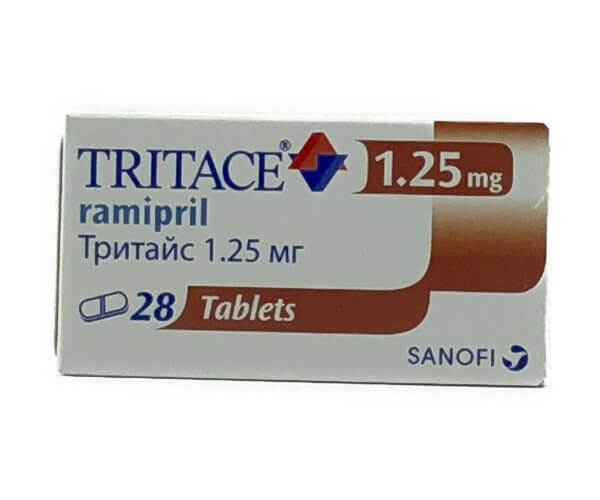
What is Altace?
Altace is a brand-name prescription medication with the active ingredient Ramipril, which belongs to a class of drugs known as angiotensin-converting enzyme (ACE) inhibitors. It is primarily used to manage high blood pressure (hypertension), treat congestive heart failure, and improve survival rates for patients following a heart attack. By effectively managing these conditions, Altace plays a crucial role in reducing the risk of further cardiovascular events like strokes and heart attacks.
How does Altace work?
Altace works by inhibiting the angiotensin-converting enzyme (ACE), which is responsible for producing a substance called angiotensin II. Angiotensin II causes blood vessels to narrow and triggers the release of a hormone that can raise blood pressure. By blocking its production, Ramipril helps relax and widen your blood vessels. This relaxation lowers blood pressure, reduces the strain on your heart, and allows it to pump blood more efficiently throughout your body, improving overall cardiovascular function.
Who is Altace for?
Altace is intended for adult patients who have been diagnosed with conditions that affect the heart and blood vessels. This commonly includes individuals with hypertension (high blood pressure) who need to lower their blood pressure to reduce the risk of long-term complications. It is also prescribed for patients who have experienced a recent heart attack to improve their chances of survival. Furthermore, doctors may recommend it for individuals with congestive heart failure to help manage symptoms and improve the heart’s pumping ability.
Dosage and administration
Altace should be taken exactly as prescribed by your healthcare provider, as the correct dosage depends on your specific medical condition and response to treatment. It is an oral medication that is typically taken once daily, with or without food, and it’s recommended to take it at the same time each day to maintain a consistent level of the drug in your system. Your doctor will likely start you on a low dose and may gradually increase it. Do not stop taking Altace suddenly without consulting your doctor, as this can cause your blood pressure to rise sharply.
Side effects
While taking Altace, some individuals may experience side effects, though many have no side effects or only minor ones. The most common side effect is a persistent dry cough. Other potential effects include dizziness, lightheadedness, and fatigue as your body adjusts to lower blood pressure. More serious side effects are rare but can include signs of a severe allergic reaction (angioedema), high potassium levels, or kidney problems. You should contact your doctor immediately if you experience swelling of the face, lips, or tongue, or have trouble breathing.
Why buy from IsraelPharm?
Choosing IsraelPharm to fill your Altace prescription provides a reliable and cost-effective way to manage your cardiovascular health from the comfort of your home. We are committed to offering authentic, brand-name medications like Altace at competitive prices, making long-term treatment more accessible and affordable. Our licensed pharmacists ensure that every order is handled with professional care, providing a seamless and secure process for patients in the US to receive their essential medications reliably.
Like all medications, Altace can cause side effects. It’s important to be aware of them and speak to your doctor if you have concerns.
Common Side Effects:
- A persistent, dry cough
- Dizziness or lightheadedness, especially when standing up
- Headache
- Fatigue or weakness
Serious Side Effects:
Contact your doctor immediately if you experience any of the following:
- Swelling of the face, lips, tongue, or throat (angioedema)
- Difficulty breathing or swallowing
- Signs of high potassium levels (nausea, weakness, irregular heartbeat)
- Symptoms of kidney problems (e.g., change in the amount of urine)
- Fainting
Altace (Ramipril) is prescribed for the treatment of several cardiovascular conditions, including:
- High Blood Pressure (Hypertension): Lowering blood pressure to help prevent serious complications like strokes, heart attacks, and kidney problems.
- Congestive Heart Failure: Managing symptoms and improving the heart’s ability to pump blood effectively.
- Post-Heart Attack Recovery: Improving survival rates in patients who have recently suffered a heart attack.