

What is the difference between heartburn and reflux?
While heartburn is a symptom, acid reflux is the actual physiological cause. Acid reflux (sometimes known simply as reflux) refers to the process of stomach acid flowing up through the gastroesophageal junction into the esophagus, which is what causes heartburn. Acid reflux can result from a variety of triggers, including:
- Spicy foods, alcohol, coffee, and high-fat meals.
- Smoking, obesity, and lying down too soon after eating.
- Anatomical issues such as hiatal hernias. These cause acid reflux by squeezing the gastroesophageal junction, which can prevent the muscles that normally close the esophagus from contracting correctly.
While acid reflux is often experienced in mild, occasional instances, it can become chronic, in which case it may progress to GERD.
What is GERD?
Gastroesophageal reflux disease (GERD) is a chronic, more severe symptom of acid reflux. GERD occurs when acid reflux happens frequently or persistently over time, causing continuous irritation to the esophagus. GERD is often diagnosed when reflux symptoms are felt more than twice a week, or they interfere significantly with daily life. This chronic irritation can lead to more serious complications, such as:
- Esophagitis, which is inflammation of the esophagus due to repeated exposure to stomach acid.
- Barrett’s esophagus, a condition where the esophagus’s lining changes increase the risk of esophageal cancer.
- Narrowing of the esophagus due to scar tissue (strictures) from continuous acid exposure making swallowing difficult.
GERD is typically diagnosed through a combination of symptom analysis and medical tests, which can include endoscopy, pH monitoring, and esophageal manometry. Treatments may include lifestyle changes, medications, and, in severe cases, surgical interventions.
GERD also frequently overlaps with other digestive conditions. IBS and GERD often occur together, and if your symptoms extend beyond heartburn and reflux, that connection may be worth understanding too.
What is Zollinger-Ellison Syndrome?
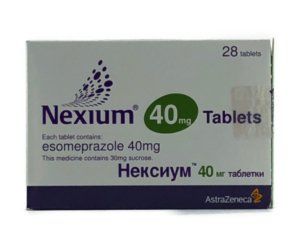
Zollinger-Ellison syndrome (ZES) is a rare (two per million) condition in which tumors called gastrinomas grow inside the pancreas or in the upper part of the small intestine. The tumors produce large amounts of the hormone gastrin, which in turn causes the stomach to make way too much acid. This leads to the main symptoms, which are persistent stomach pain, diarrhea, acid reflux and heartburn, constant burping, and nausea and vomiting. If it progresses untreated, it can lead to bleeding from the digestive tract, losing weight, and loss of appetite. Treatments can include PPI antacids such as Nexium, but if it persists, it may require surgery to remove the gastrinomas.
What are the shared features of heartburn, reflux, ZES, and GERD?
While heartburn, acid reflux, ZES and GERD each refer to different aspects of acid-related digestive issues, they are interlinked in several ways:
- Heartburn is the main symptom of acid reflux and GERD. Some of the other common symptoms include a sour taste in the mouth, regurgitation of food or acid, and difficulty swallowing.
- High-fat foods, caffeine, alcohol, and lifestyle factors like obesity and smoking can trigger both reflux and GERD, and make the symptoms of ZES worsen.
- There are shared treatments, such as over-the-counter antacids and prescribed acid reducers, including H2 blockers and proton pump inhibitors (PPIs). Diet and lifestyle changes are also widely recommended for anyone dealing with all of the conditions.
- Stomach acid is the common factor in all of the conditions. The common term for this is gastric hyperacidity. In each case, the backflow of stomach acid into the esophagus leads to discomfort, whether it manifests as occasional heartburn, acid reflux episodes, or more severe GERD.
What are the key differences between heartburn, acid reflux, ZES, and GERD?
Severity and frequency
- Heartburn is a symptom of acid reflux. It often occurs without warning and is linked to a particular meal or situation. It can be treated as an isolated symptom.
- Acid reflux is broader, as it describes the backflow of acid that only sometimes causes heartburn. It may occur frequently, but it isn’t necessarily chronic.
- GERD is a chronic condition characterized by frequent occurrences of acid reflux, often with more severe symptoms. It can also have long-term consequences, so it requires ongoing management and, sometimes, medical intervention.
- Zollinger-Ellison is not directly related to any weakness in the flow control at the gastroesophageal junction. Instead, it is the result of excess acid secretion, which raises the levels of corrosive liquids in the stomach. When the acids eat through the lining of the stomach and small intestines, they cause symptoms similar to heartburn and can produce perforative ulcers, which can be life-threatening.
Diagnosis
- Self-diagnosing heartburn as a minor irritant and ignoring the possible underlying causes without professional advice can lead to a missed diagnosis of conditions like GERD and ZES. Anyone who experiences frequent heartburn should consult a healthcare professional. Acid reflux needs to be monitored if the symptoms are persistent, but it can slip under the radar because laypeople consider it to be a common occurrence.
- GERD and ZES require a formal diagnosis, usually involving tests to assess the esophagus and measure acid levels. This helps differentiate them from other conditions with similar symptoms, such as peptic ulcers or esophageal motility disorder
Long-term health risks
- Heartburn and acid reflux are generally not harmful in the long term as long as they are appropriately managed and occur only rarely.
- However, both ZES and GERD can lead to significant complications. Prolonged acid exposure increases the risk of esophageal inflammation, scarring, and can cause potentially cancerous changes in the esophageal lining.
What are the treatment and management options for hyperacidity?
There is wide overlap in the ways to manage heartburn, acid reflux, ZES, and GERD. All three require a combination of lifestyle adjustments, dietary changes, and medications. Common approaches include:
Lifestyle and dietary changes:
- Avoid triggers such as highly spiced, fatty, and acidic foods, as well as caffeine and alcohol. Keep a food diary to help identify your own specific triggers.
- Maintain a healthy weight, since excess weight places pressure on the abdomen, increasing the likelihood of reflux.
- Sit upright or walk around after eating, waiting at least two to three hours after consuming a large meal before reclining.
- Let gravity help, by elevating the head of the bed. It has been observed that raising the head of the bed may help reduce the onset of nighttime reflux for patients with GERD.
Medications
- Antacids: Over-the-counter medications such as Tums, Alka-Seltzer, Pepto-Bismol and Rolaids can effectively neutralize stomach acid and provide fast-acting relief for heartburn. They are pure palliative treatments and do not get to the heart of the problem, or prevent recurrence.
- Histamine 2 receptor agonists (H2 blockers) such as Pepcid reduce acid production and can relieve current gastric symptoms. They can also be taken prophylactically 30 to 60 minutes before consuming known food or beverage triggers. They offer longer-lasting relief than antacids.
- Esomeprazole is a Proton Pump Inhibitor (PPI). Drugs such as Nexium and Prevacid are often prescribed for more severe symptoms and work by significantly reducing stomach acid production. They are commonly used in GERD and ZES treatments to prevent complications.
Surgical interventions
For individuals with severe GERD who don’t respond to medication, surgical options like fundoplication may be considered. This procedure prevents acid reflux by strengthening the barrier between the stomach and esophagus.

Saul Kaye - Founder & CVO IsraelPharm
Saul is a licensed pharmacist and the founder of IsraelPharm. He reviews all medical and pharmaceutical information that is published by IsraelPharm for accuracy. For more information on Saul's qualifications or how we conduct our reviews, please see our medical review policy.