 Health authorities in Asia and Australia are on high alert following a confirmed viral outbreak of the dangerous Nipah virus in West Bengal, India, in late January 2026.
According to the World Health Organization, Nipah virus (NiV) is very dangerous, with an extremely high fatality rate ranging from 40% to 75% once people have been infected. Symptoms are a fever, headaches, vomiting, and sore throat. Potentially, it can progress to encephalitis (brain swelling) and coma. It’s still early days, with just two laboratory-confirmed cases reported in India, involving two nurses at a hospital near Kolkata.
No cases have been reported outside of India. However, countries including Thailand, Nepal, Singapore, and Hong Kong have implemented thermal screening and health declarations at airports for travelers from the affected region.
About the Nipah virus
The main mode of transmission is via contact with infected animals (bats, pigs), contaminated food (like bitten fruit), or close contact with the bodily fluids of an infected person. There is currently no vaccine or cure.
According to authorities in both India and Australia, the best course of action is to avoid any contact with people who may have been exposed to the virus during travel to West Bengal, and to take normal preventative measures that protect against viral infection, such as wearing a mask when entering areas where unknown people are located or may recently have visited, and to use simple shields to guard against infection from any air-borne viruses, like Nasodine Nasal Spray, which forms a protective coating inside the nose and nasal cavities, penetrating the virus before it can spread down into the rest of the body via the lungs.
The Australian government is monitoring the situation very closely, but has not tightened border controls as of 30 January, 2026. The risk of an outbreak in Australia is currently regarded as low, as the virus does not spread easily through the air like ‘flu or COVID-19. So far, there have been no reports of infections outside of West Bengal, so it remains just a travel advisory, not a general alert.
Key thoughts to take away
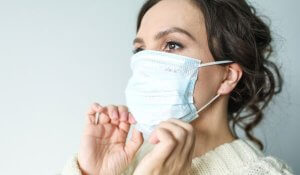 In late January 2026, health officials in India reported a small but concerning outbreak of Nipah virus. Authorities have started tracing the contacts of the few infected individuals, and found no additional infections among them.
The Nipah virus isn’t new. It’s been known since the late 1990s, first popping up in Malaysia and Singapore. But it’s classified as a high-priority pathogen by the World Health Organization (WHO) because of its potential to spark larger outbreaks, especially because of the high fatality rate and since there’s no specific vaccine or cure available yet. Treatment comes down to isolation, supportive care and rest.
If there’s any risk of infections by the Nipah virus, keep up-to-date via trusted sources like WHO or the local health authorities.
Frequently asked questions about the Nipah virus
How does the Nipah virus spread?
Nipah is what’s called a zoonotic virus, meaning it jumps from animals to humans. Fruit bats can contaminate food like date palm sap or fruits with their saliva or urine. Pigs can act as transporters, passing it on to farmers or handlers. Once it infects someone, it can spread person-to-person through close contact, especially via respiratory droplets, like when someone coughs or sneezes.
Who is most at risk from infections by the Nipah virus?
Transmission typically requires very close, prolonged contact with the bodily fluids (blood, saliva, or urine) of an infected person or animal. This is more common among family caregivers and healthcare workers. A person who is most at risk of exposure would be anyone dealing with people who are already infected, or have been exposed to the virus and haven’t yet developed the symptoms.
Human-to-human transmission is rare. In the current outbreak, all 196 close contacts of the two confirmed cases tested negative, demonstrating that the virus did not spread easily, even among those with significant exposure.
The risk is complicated by a long incubation period. The time from exposure to showing symptoms typically ranges from 4 to 14 days, though it can extend up to 45 days in rare cases. During this time, the virus may be difficult to detect.
What are the possible outcomes from infection by the Nipah virus?
If an individual does become infected, the health risks are severe:
-
- The World Health Organization (WHO) estimates a case fatality ratio of 40% to 75%.
- Infection often leads to encephalitis (brain swelling) or severe respiratory illness.
- Approximately 20% of survivors suffer from long-term neurological conditions, such as persistent convulsions or personality changes.
- In some cases, individuals may be infected but show no symptoms, though this is less common than severe disease.
What are the visible symptoms of Nipah virus infection?
Symptoms usually start-off mild, with fever, headache, and muscle pain, but infections can escalate quickly, bringing confusion, seizures, or even coma, with a very high risk of death.
How well can nasal spray protection work against the virus?
Nipah belongs to a group called enveloped viruses, which includes other common viruses like COVID-19, flu, and RSV. Enveloped means that the virus has a fatty outer layer that protects them, but this also presents a weak point that Nasodine Nasal Spray can exploit. This layer is particularly sensitive to specific antiseptics like iodine, that can break through and neutralize the virus on contact. Nasodine delivers precise doses of povidone-iodine (PVP-I). Studies show PVP-I has rapid virucidal effects, meaning it de-activates viruses quickly, and it is particularly effective against enveloped viruses.
It has been shown in lab tests that it can penetrate and de-activate the SARS-CoV-2 (COVID-19) virus within 15 seconds. In clinical studies, it has been shown to clear SARS-CoV-2 from the nasal passages of infected people. While there’s no direct data on Nipah, because it’s a rare, high-security virus that’s difficult to study, its family ties to other paramyxoviruses (like parainfluenza) suggest it’d be just as vulnerable to PVP-I.
Does Nasodine Nasal Spray perform a valuable defensive function?
Nasodine is a PVP-I-based nasal spray designed for everyday nasal health, like easing colds, sinus issues, and upper respiratory problems. Users experience shorter colds, avoid infections by flu even when coming in direct contact with people who are already sick, and it promotes even quicker recovery from infections like influenza A.
Dosing is simple. Spray it into the nose 2-4 times a day or at the first sign of symptoms to target viruses right where they could enter via the nasal passages.
It is a smart add-on for travelers facing movement into higher-risk areas, or anyone who is going to be mingling with people who have returned from such spots. It’s not a magic shield, but by disrupting enveloped viruses like Nipah, it can reduce the exposure risk, along with basic sanitation like handwashing, masks in crowds, and avoiding carrier products in endemic areas.
It’s important to remember that Nasodine hasn’t been tested specifically on Nipah, and it’s not a substitute for professional medical advice or official guidelines. It’s always best to check with a healthcare provider before starting any new product, especially to confirm that there are no health issues, like thyroid disease, that create sensitivity to iodine, which is the main active ingredient in Nasodine.
Also it’s worth remembering that over-use might irritate the lining of the nose, so adherence to the dosing directions is important.