 As the general population is growing older, there’s more interest in finding out what aging does to the mind and body. One of the accepted normal consequences of longevity has been that older people spend more time lying in bed, but frequently complain that they don’t get enough sleep. In a recent study conducted by Swedish researcher Dr. Abigail Dove, at the Karolinska Institutet in Stockholm, the issue of poor sleep has been investigated from a different angle, as a cause, rather than an effect, of brain changes that come with longevity. The key finding of the study into poor sleep and brain aging was that poor sleep may contribute to accelerated brain aging, with inflammation as one of the driving mechanisms.
The price of a bad night’s sleep
New research suggests that poor sleep and brain aging may be more closely linked than previously thought. What once seemed like simple tiredness may, over time, relate to measurable changes in brain structure and function.
-
- A large MRI study found that people with ongoing sleep problems showed signs of faster brain aging.
- The findings came from a major Karolinska Institutet study published in a leading medical journal.
- The focus was not just on feeling tired, but on long-term brain health and resilience.
What the Karolinska Institutet study found
The research analyzed brain scans and health data from more than 27,000 adults in the UK Biobank, most of whom were in middle age. Scientists used advanced computer models to estimate each person’s “brain age” and compared it to their real age.
-
- Participants were grouped by sleep patterns: healthy, intermediate, or poor.
- Those with poor sleep had brains that appeared nearly one year older than expected.
- Artificial intelligence examined over 1,000 MRI features, including white matter and microstructural changes.
- Signs of inflammation explained part of the link between sleep problems and older-appearing brains.
These findings strengthen concerns about the connection between sleep and dementia, suggesting that sleep quality may influence how the brain ages over time.
The role of inflammation in brain aging
Poor sleep does not just affect mood and energy. It can also keep the body in a state of low-grade inflammation, which is known to influence aging in many organs, including the brain.
-
- Chronic short or restless sleep may increase inflammatory signals in the bloodstream.
- Inflammation can stress brain cells and affect communication between them.
- Researchers measured this using an inflammation score built from common blood markers.
- Participants with worse sleep tended to have higher inflammation scores.
Scientists believe inflammation is only one part of the story. Other systems, such as the brain’s nightly waste-clearing process, may also be disrupted by long-term sleep disruption.
The links between sleep, cognition, and risk of dementia
Sleep has long been tied to thinking skills, memory, and emotional balance. The new data adds weight to earlier findings that ongoing sleep problems may play a role in future brain decline.
-
- Even mild but repeated sleep deprivation has been linked to slower thinking and attention problems.
- Sleep helps with sleep and memory consolidation, which supports learning and recall.
- Long-term poor sleep is increasingly studied as a factor in cognitive decline prevention strategies.
- Researchers continue to explore whether sleep problems are a cause, an early sign, or both.
While more long-term studies are needed, the evidence suggests that sleep health may influence how the brain ages across decades.
How sleep can be a positive tool to slow-down inflammation
Unlike a person’s age or genetic makeup, sleep patterns can be improved — meaning this is a powerful way to prevent negative outcomes.
Healthy sleep helps regulate:
-
- Neuroinflammation.
- Insulin sensitivity.
- Amyloid clearance (linked to Alzheimer’s).
- Cerebral blood flow.
- Chronic poor sleep (less than 6 hours or restless nights) compounds risk for hypertension, depression, and dementia.
What’s keeping you awake?
Sleep problems are common in adulthood and often become more noticeable with age. Many everyday factors can interfere with consistent rest.
-
- Stress and anxiety.
- Hormonal changes, especially in midlife.
- Pain or chronic illness.
- Evening screen exposure and irregular routines.
- Certain medications that affect alertness or heart rate.
People with ongoing sleep disorders also tended to have higher body weight and greater social stress, both of which can increase inflammation.
Taking practical steps for better sleep and improving brain health
Research into healthy sleep habits shows that small, consistent lifestyle patterns can support more stable sleep over time.
-
- Keeping a regular sleep and wake schedule.
- Limiting caffeine and heavy meals late in the evening.
- Creating a dark, quiet, and cool sleep environment.
- Reducing late-night alcohol, which can fragment sleep.
- Using relaxation routines before bed to ease mental tension.
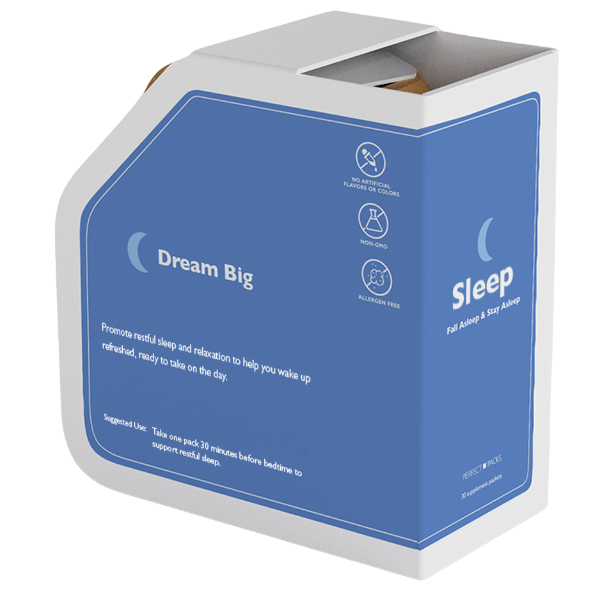
Some individuals explore sleep supplements or products designed to encourage natural sleep as part of a broader routine. At IsraelPharm, we understand how vital sleep is to health. One simple product on our shelves is the Sleep Pack, available without prescription, which combines natural ingredients to support calm, restorative rest, helping you build healthier sleep routines for long-term wellness.
Takeaway thoughts: Sleep can be a form of brain care
-
- A single poor night of sleep is unlikely to have lasting effects.
- Years of restless or shortened sleep may gradually affect brain structure.
- Sleep supports emotional balance, focus, and long-term brain resilience.
- Protecting sleep time can be viewed as a form of daily brain maintenance.
Sleep is increasingly recognized as one of the pillars of lifelong brain health, alongside nutrition, movement, and social connection.
Prevention starts tonight
Sleep is a modifiable behavior, meaning gradual improvements are possible at many stages of life. Ongoing or severe sleep difficulties should be discussed with a qualified healthcare professional, who can help identify contributing factors and appropriate support.
Frequently asked questions about poor sleep for older people
How is poor sleep connected to brain aging?
Research shows that people with long-term sleep problems often have brains that appear older on MRI scans than their actual age. Scientists believe this happens because sleep supports repair, memory processing, and removal of waste products from the brain. When sleep is frequently disrupted, these processes may not work as efficiently. Over time, this may contribute to subtle structural and functional changes linked to aging. While sleep is only one factor, maintaining consistent rest appears to be an important part of long-term brain health.
Can poor sleep increase the risk of dementia?
Several large studies have found links between long-term sleep problems and a higher chance of cognitive decline later in life. Poor sleep may influence inflammation, blood flow, and the buildup of proteins associated with Alzheimer’s disease. However, experts are still studying whether sleep problems directly cause dementia or act as an early warning sign. Either way, sleep is considered a meaningful lifestyle factor that may influence brain aging and deserves attention as part of overall health monitoring.
What role does inflammation play in sleep and brain health?
Inflammation is the body’s natural defense system, but when it stays mildly elevated for long periods, it can strain tissues, including the brain. Studies show that people with poor sleep often have higher levels of inflammatory markers in their blood. These markers are linked with faster brain aging and higher risk of neurological disease. Sleep appears to help regulate immune activity, so regular, restorative sleep may support a more balanced inflammatory response over time.
Does occasional sleep loss cause permanent brain damage?
Short periods of reduced sleep, such as during travel or temporary stress, are unlikely to cause lasting structural brain changes. The greater concern is with long-term patterns of insufficient or poor-quality sleep that persist for years. Research suggests that chronic sleep disruption may gradually influence brain aging processes. Occasional sleep loss may affect mood, focus, and memory in the short term, but the brain often recovers once regular sleep resumes.
Are sleep supplements helpful for brain health?
Some people explore supplements aimed at supporting relaxation or natural sleep cycles. While certain ingredients are being studied, results can vary between individuals, and supplements are not a guaranteed solution. Good sleep habits, stress management, and addressing medical causes of sleep disruption are also important parts of the picture. Anyone considering supplements should discuss them with a healthcare professional to ensure they are appropriate and safe alongside other medications or conditions.
When should ongoing sleep problems be discussed with a doctor?
Sleep difficulties that last for several weeks, interfere with daily functioning, or cause excessive daytime tiredness should be evaluated by a qualified healthcare professional. Persistent insomnia, loud snoring with pauses in breathing, or strong daytime sleepiness may signal underlying sleep disorders that need assessment. Early evaluation can help identify treatable causes and support better long-term sleep health, which in turn may benefit overall physical and brain well-being.