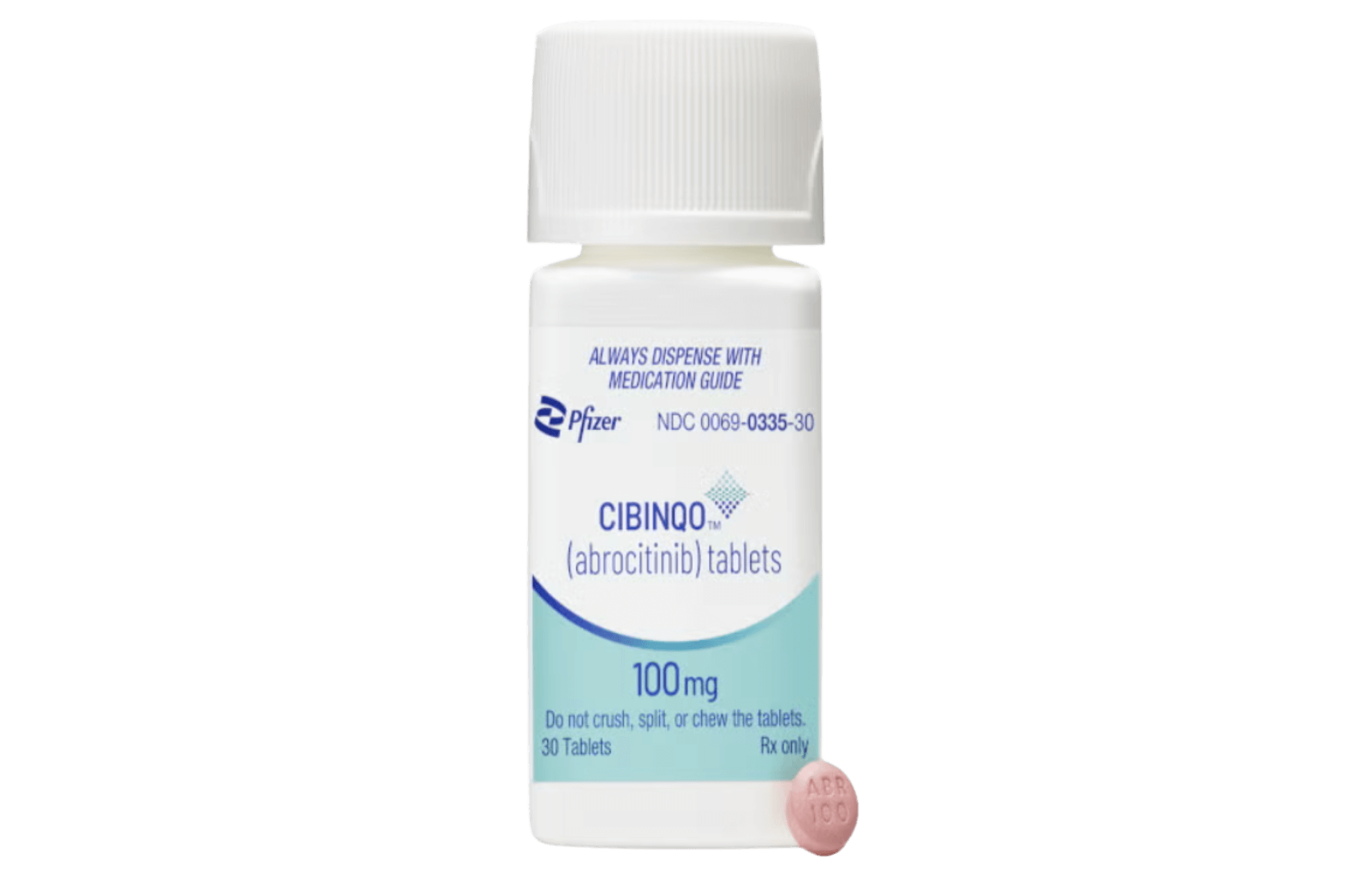
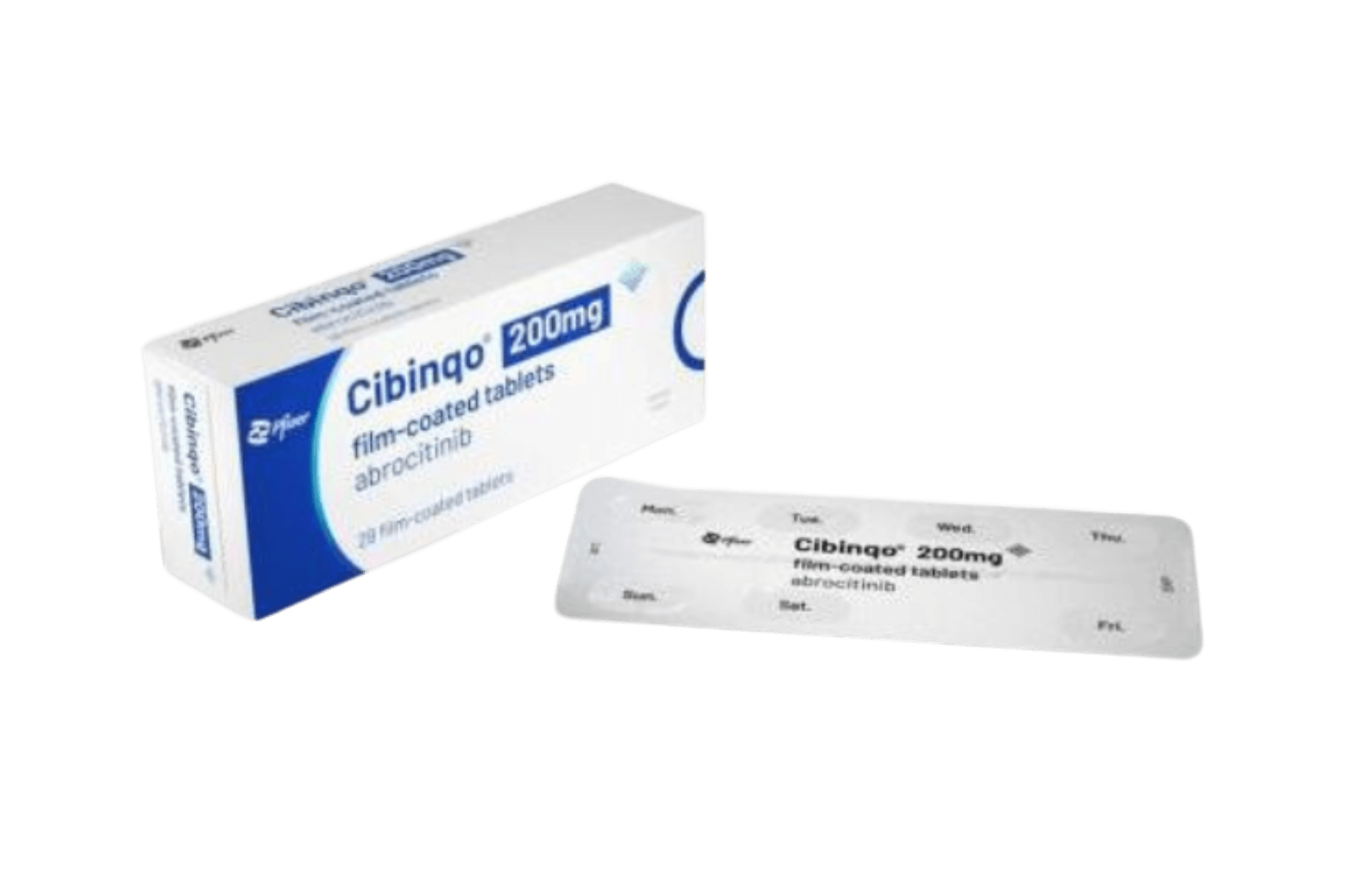
What is Cibinqo?
Cibinqo is an oral prescription medication used to treat adults with moderate-to-severe atopic dermatitis, also known as eczema. It is specifically designed for patients whose condition is not adequately controlled with topical prescription therapies or when those therapies are not advisable. Cibinqo offers a systemic treatment, meaning it works throughout the body to manage the widespread inflammation and intense itching that can disrupt sleep and daily life.
How does Cibinqo work?
Cibinqo works by selectively blocking the activity of Janus kinase 1 (JAK1), an enzyme involved in the body’s immune response. In atopic dermatitis, the immune system is overactive, and JAK enzymes send signals that lead to chronic inflammation and itching. By inhibiting JAK1, Cibinqo interrupts these signaling pathways inside the cells, which helps to calm the immune system, reduce skin inflammation, and provide significant relief from the persistent itch associated with the condition.
Who is Cibinqo for?
Cibinqo is for adults suffering from moderate-to-severe atopic dermatitis who are candidates for systemic therapy. This typically includes individuals whose eczema covers large areas of the body or is particularly severe, causing significant discomfort and impacting their quality of life. It is prescribed when topical treatments like creams and ointments have failed to provide adequate relief. A doctor will evaluate your overall health and medical history to determine if this advanced, body-wide treatment is appropriate for you.
Dosage and administration
Cibinqo is administered as a once-daily oral tablet that should be swallowed whole with water, not split, crushed, or chewed. Your doctor will determine the appropriate dose for you, with starting doses commonly being 100 mg or 200 mg. A lower starting dose of 50 mg may be prescribed for patients over 65, those with kidney issues, or those taking certain other medications. Cibinqo can be taken with or without food, though taking it with food may help prevent nausea. Your dosage may be adjusted based on your response and any side effects.
Side effects
While many patients use Cibinqo without issue, some may experience side effects. It’s important to remember that your doctor has prescribed this medication because they believe the benefit to your health outweighs the potential risks. Common side effects can include nausea, headache, acne, dizziness, and cold sores. More serious side effects, although less common, require immediate medical attention, such as shingles (a painful blistering rash) or blood clots. Always read the patient leaflet and consult your doctor about any side effects that worry you.
Why buy from IsraelPharm?
At IsraelPharm, we provide a reliable and straightforward way to access authentic, brand-name medications like Cibinqo at affordable prices. Our platform simplifies the process of ordering your prescription, saving you time and money. Sourced from a network of licensed pharmacies, every medication is shipped directly to your door in discreet packaging. Our customer care team is dedicated to ensuring you have the support you need, making your health our top priority while you focus on managing your condition.
”’
Before starting any new medication, discuss the potential benefits and risks with your doctor. Most people taking Cibinqo experience manageable or no side effects.
Common side effects may include:
- Nausea
- Headache
- Dizziness
- Acne
- Cold sores (herpes simplex)
- Increased creatine phosphokinase levels in blood tests
Serious side effects that require immediate medical attention:
- Signs of shingles, such as a painful blistering skin rash and fever
- Symptoms of a blood clot, such as leg swelling, leg pain, shortness of breath, or chest pain
This is not a complete list. For a full list of potential side effects, please consult the patient information leaflet or speak with your doctor.
”’
”’
Cibinqo is prescribed for adults to treat moderate-to-severe atopic dermatitis (eczema) when other systemic treatments are being considered. It helps manage symptoms such as:
- Persistent and severe itching
- Red, inflamed patches on the skin
- Dry, cracked, or thickened skin
- Itch-related sleep disturbances
- Visible skin changes that reduce quality of life
”’