Introducing injectable medications
Most injectable medications are designed to be given by specific routes, which are determined by the drug’s properties and how it needs to be absorbed. The administration route of an injectable can be intravenous (IV), intramuscular (IM), subcutaneous (SubQ) Intradermal(ID)), or some other route.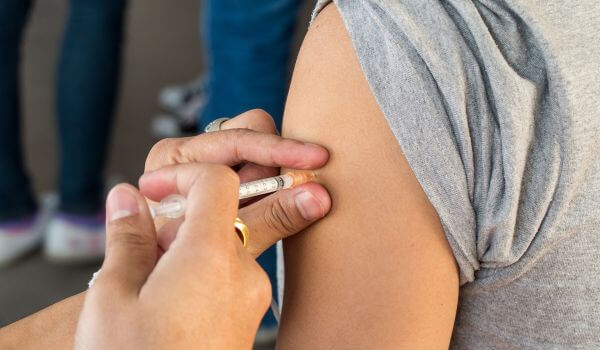
There is also useful information on public websites, such as Techniques to overcome a fear of needles from Cesar Sinai Hospital, and the comprehensive Self-injection guide. It is also essential to discuss the process with your doctor, and in most cases doctors or their staff will perform the first injection if it is required repetitively, so that all the necessary steps can be taught. You can always reach out to our support team here as IsraelPharm, who are experienced in all aspects of self-administered injections.
This blog focuses on intramuscular injection. In future blogs we will write on the other main types of self-administered injectable medications.
Intramuscular (IM) injections
IM (intramuscular) injections deliver required medication deep into muscle tissue, where it will be absorbed gradually into the bloodstream. IM is generally preferred when patients will benefit from a slower, sustained release of the injected drug.
Examples:
- Vaccines, such as the flu shot.
- Antibiotics.
- Growth hormones
- Anaphylaxis
- Epinephrine (EpiPen) during a systemic allergic reaction.
- Antipsychotics
What is an intramuscular injection?
An intramuscular injection is medication delivered deep into muscle so it can be absorbed steadily into the bloodstream. Muscle tissue has a rich blood supply and can hold a larger volume than subcutaneous fat, which helps create a smooth, sustained release for certain medicines. In contrast, a subcutaneous injection sits just under the skin and tends to absorb more slowly, while an intravenous dose goes directly into a vein for immediate effect. This is why some vaccines, vitamins, hormones, and long-acting medications are formulated for the IM injection techniques used in clinics and at home.
Common sites for intramuscular injections
Correct intramuscular injection sites help medication absorb as intended and reduce complications. Five well-established intramuscular injection locations include:
- Upper arm (deltoid) is often used for vaccines; typical volume up to 2 mL for adults.
- Outer thigh (vastus lateralis) is a common choice for intramuscular injection self-administration because it is easily accessed.
- Hip (ventrogluteal) – preferred for adults because it avoids major nerves and vessels; a safer option than traditional buttock shots.
- Buttock (dorsogluteal) was the standard approach but is currently less recommended due to the proximity of the sciatic nerve. If used, training and precise landmarking are essential for any intramuscular injection buttock dose.
- Front thigh (rectus femoris) is sometimes used for convenience when self-injecting, though it may be more tender afterward.
How to give an intramuscular injection safely
- Wash hands with soap and water and clean the skin with an alcohol pad. Let the alcohol fully evaporate before injecting.
- Choose a site and an appropriate needle gauge (often 22-25) and length, commonly 1-1.5 inches (25-35mm) for adults.
- Hold the syringe like a dart and insert at a 90-degree angle into the muscle.
- Inject the medication slowly and steadily, then withdraw the needle at the same angle.
- Apply gentle pressure at the injection site with gauze; do not massage the site.
- Dispose of the needle in a puncture-proof sharps container immediately.
Pain management for intramuscular injection:
- Relax the targeted muscle. Sitting or lying down can help.
- Allow refrigerated medication to reach room temperature naturally.
- Avoid rubbing afterward, Rather use a cool compress if needed.
- Gentle movement of the limb can reduce soreness later in the day.
These steps align with general self-injection guidance for safety, comfort, and consistent dosing.
Equipment, needle size, and volume guidelines
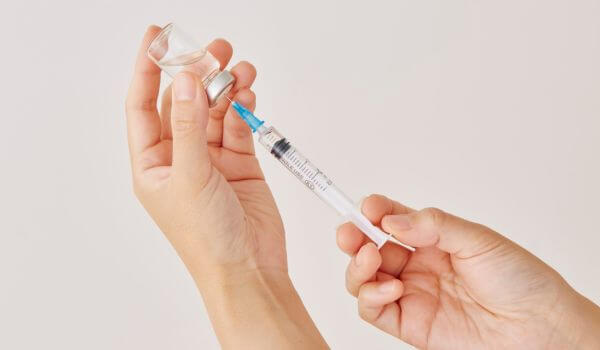 Most IM medications come pre-packed with vials, syringes and needles, or in pre-loaded pens. If you have any questios, read the comprehensive Patient Leaflet guide that every package comes with, or ask our support team for help.
- Common adult needles for IM: 22–25 gauge, 1–1.5 inches (25-35mm). The site and body habitus may change the preferences.
- Needle size for IM injection also depends on viscosity of the medication and the depth needed to reach muscle safely.
- Typical IM volumes range from 1 to 5 mL; the volume for intramuscular injection in the deltoid is usually 2 mL or less.
- Use sterile, single-use wipes to clean the injection site, and follow medication-specific instructions from a healthcare provider.
Risks, mistakes, and how to avoid them
- Pain or bruising is usually mild and can be minimized by relaxing the muscle and injecting steadily.
- Infection risk will be reduced with good hand hygiene, skin prep, and never reusing needles.
- Nerve or vessel injury is less likely when using the ventrogluteal (hip) or vastus lateralis (upper thight) sites. There is a higher risk when using the classic dorsogluteal site, due to the presence of the sciatic nerve.
- Technique errors could be using the wrong angle, poor site rotation, or injecting too quickly. These can all cause discomfort or alter absorption.
It is essential to rotate sites, inspect medication and equipment, and use a sharps container for disposal. Training from a clinician or pharmacist helps build safe habits and confidence.
When and why injections are used
Many medicines are designed for IM delivery, including vitamin B12, certain antibiotics and vaccines, testosterone, and some extended-release psychiatric treatments. IM dosing supports steady absorption when oral medication is unsuitable, when rapid yet sustained exposure is preferred, or when long-acting formulations reduce daily pill burden.
IsraelPharm is here to help
For people prescribed injectable therapies such as vitamin or hormone support, IsraelPharm can help streamline access to trusted medications and supplies. We offer guidance from experienced pharmacists and clear product information, which can make at-home administration simpler while supporting safe IM injection techniques and follow-through with a prescriber’s plan.
Knowledge breeds confidence
With correct technique, site selection, and simple comfort strategies, IM injections are safe and effective for many therapies. People who are new to injections can ask a healthcare provider to demonstrate steps and observe a practice run. The right information turns anxiety into confidence.
Frequently asked questions about intramuscular injections
What is the least painful place for intramuscular injection?
Pain varies from person to person, but large, well-landmarked muscles like the vastus lateralis (outer thigh) or ventrogluteal (hip) are often comfortable options. Relaxing the muscle, letting medication warm to room temperature, and injecting slowly can reduce stinging. The deltoid may be more tender after vaccines because the muscle is smaller and used frequently during daily activities. Rotating sites also helps prevent soreness.
What happens if you hit a blood vessel during an IM injection?
Muscle is vascular, so minor bleeding can occur at the surface. If there is a quick flash of blood after withdrawal, apply gentle pressure with gauze. Do not rub. Persistent bleeding, marked swelling, or unusual pain should be discussed with a healthcare provider. Good landmarking, the right needle length, and avoiding high-risk areas lower the chance of vessel injury.
Can an IM injection be too deep?
Yes. A needle that is too long for the person’s build or inserted off-target can increase the risk of hitting deeper structures. Selecting the correct length (usually 1-1.5 inches / 25-35 mm for many adults) and using recommended sites reduces this risk. Training on landmarks and angles helps ensure medication reaches muscle without passing too deep.
How long does it take for an intramuscular injection to enter the bloodstream?
IM medicines generally begin absorbing within minutes, with effects depending on the drug’s formulation. Many IM doses are designed for steady uptake over hours to days. Long-acting formulations (for example, certain antipsychotics) are engineered for slow, sustained release to maintain stable levels between clinic visits or self-administered doses.
Can you do intramuscular injections yourself?
Self-administration is possible after training from a healthcare professional. It’s important to learn site selection, needle choice, and safe disposal. Written instructions and teach-back practice build confidence. Auto-injectors may simplify steps for specific medications, though not every IM drug uses a prefilled device. Always follow the medication guide provided by the prescriber and pharmacist.
Why should you not rub after an IM injection?
Rubbing can irritate tissue, increase bruising, and in some cases alter absorption. Gentle pressure with gauze for 30–60 seconds is usually enough to control minor bleeding. A cool compress later can ease soreness. Light movement of the arm or leg helps distribute medication and reduce stiffness without stressing the site.