 Some women are surprised to see thinning hair become more noticeable during and after menopause, but it’s much more common than many people think, and it isn’t just vanity.. While thinning hair is much more common in men as they age, it shouldn’t come as a surprise. It’s part of a bigger story about hormonal shifts and how they affect the body. Doctors even have a name for it: menopausal hair thinning. For some, the change is subtle; for others, it feels dramatic, with more hairs on the pillow, in the shower drain, or in the brush.
There are specific types of hair loss that show up after menopause. The most common is female pattern hair loss (FPHL), a condition linked to genetics and hormones. Others might experience telogen effluvium, which causes hair to shed after illness, stress, or big life changes. Lower estrogen hair loss and rising DHT hair loss are key culprits. The male hormone testosterone is converted into a more potent form called dihydrotestosterone (DHT), which acts directly on scalp hair follicles and suppresses them, gradually creating weaker and smaller hair follicles.
But hormones aren’t the whole story. Hair loss due to nutritional deficiency and stress plays a role, too. The good news? There are many treatments and remedies, from medical options to simple dietary supplements, that can not only slow the progress of hair thinning but even reverse it and restore a woman’s hair to its full glory.
How hormones drive postmenopausal hair loss
Menopause triggers major hormonal shifts. Natural levels of estrogen and progesterone, hormones that once helped keep hair in its growth phase, drop sharply. Meanwhile, androgens, particularly DHT, gain more influence. This imbalance leads to female pattern hair loss, where hair follicles slowly shrink, producing finer, shorter hairs.
Other conditions lead to hair shedding, mainly:
- Telogen effluvium, which causes sudden shedding when the body faces stress, illness, or medication changes. It is a temporary condition where a large number of hair follicles enter the resting (telogen) phase simultaneously, leading to increased shedding. The pattern of hair loss is typically diffuse, and it affects the entire scalp, with no specific pattern of recession or thinning. Hair loss is usually temporary, and hair growth often returns to normal once the trigger is resolved. This means that telogen effluvium is generally reversible, and hair regrowth is expected.
- Frontal fibrosing alopecia (FFA), which involves inflammation and scarring of the hair follicles. The exact cause is unknown, but it’s often associated with autoimmune factors and hormonal changes. FFA typically causes hair loss along the frontal hairline, often with a band-like pattern of recession. It can also affect the eyebrows, eyelashes, and other areas of the scalp. FFA is a progressive condition, meaning hair loss can continue over time, and it is generally not reversible. Treatment with medications like corticosteroids, minoxidil, and other topical or oral treatments may be used.
- Androgenetic alopecia (AGA), which is a genetic condition influenced by androgen hormones, particularly dihydrotestosterone (DHT). In men, AGA typically causes a receding hairline and thinning on the crown (top of the head). In women, it often presents as a widening of the part line and overall thinning. AGA is a progressive condition, meaning hair loss worsens over time if left untreated.
AGA is characterized by a gradual decrease in hair density, often with a visible change in the hairline or part line over time.
Other triggers behind thinning
Not all hair loss after menopause is purely hormonal. Nutritional deficiency hair loss may happen if the diet lacks iron, protein, or key vitamins. Chronic stress can trigger stress hair loss, causing temporary shedding. And some women experience changes when hormone replacement therapy is used.
Treatments and remedies that work to control hair thinning
The encouraging part is that there are many paths to a hair loss treatment plan.
- Rogaine Topical foam and spray contain minoxidil. It is the only FDA‑approved topical solution with minoxidil for postmenopausal hair thinning for women. It helps restart the growth cycle in miniaturized follicles.
- In cases where high levels of testosterone are leading to hair shedding, some doctors explore low‑dose oral medications like Propecia to block DHT hair loss effects.
- Vitamins for hair loss, like biotin, vitamin D, and iron, can help if deficiencies are found.
- Phyllotex is a proprietary OTC gluten- and dairy-free vegetarian nutritional supplement that is specifically meant to slow hair loss and promote regrowth.
- For those seeking natural remedies for hair loss, scalp massage, essential oils, and gentle care habits may help maintain scalp health.
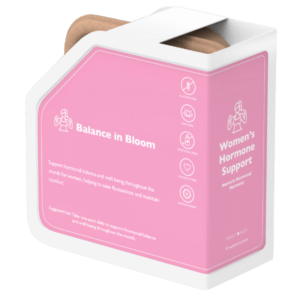
- Some simple dietary supplemens, like our exclusive Longevity Pack, Beauty Pack and Women’s Hormone Support Pack give special attention to the body’s needs when it comes to slowing down or even reversing the visible effects of menopause.
Managing expectations
There are no magic cures, and expectations need to be tailored to what can be quite a long process. Even the best efforts don’t always reverse thinning hair in a single step. The most successful treatments can slow down the rate of thinning within four to six months, and only then can hair regrowth start. And most treatments aim to slow loss and improve fullness, not restore a teenager’s hairline. Still, with consistency and the right guidance, many women see meaningful improvement in getting back a full head of hair despite hair texture changes from menopause.
Menopausal hair loss – in summary
Menopausal hair loss is a common but frustrating reality. The mix of falling estrogen, rising DHT, and other hormonal shifts creates a perfect storm for hair loss after menopause. Add in stress, diet, or even medication effects, and thinning becomes more visible.
The hopeful side? There are treatments and remedies that make a difference. From proven prescribed options like minoxidil for postmenopausal hair thinning to natural supplements like Phyllotex, women have tools to slow down and sometimes even reverse thinning hair.
The journey isn’t instant. Regrowth takes time, but with patience, a thoughtful hair loss treatment plan, and realistic expectations, healthier, stronger hair after menopause is possible.
Frequently asked questions about hair loss in menopause
Does Phyllotex do more than slow down hair thinning?
Phyllotex does not just halt hair loss, but also helps to promote regrowth. Dihydrotestosterone blockers can be effective in slowing and eventually reversing hair loss.
What helps post menopause hair loss?
Minoxidil slows postmenopausal hair thinning, and Phyllotex helps circulation across the scalp, which means the hair follicles are now getting enough nutrition. Both of these are clinically proven to help. Doctors may also suggest lifestyle changes, supplements, or gentle scalp care to slow loss and improve fullness.
Does hair loss from menopause grow back?
Sometimes. If follicles are still active, treatments can reverse thinning hair to a degree. Long‑term female pattern hair loss may not fully reverse, but it can be slowed.
What is the best thing for women’s thinning hair?
Consistent hair loss treatment is key. Balanced nutrition and stress management are often needed, along with more direct options like Rogaine (minoxidil), Propecia (if DHT is the problem), or Phyllotex.
Why is my hair thinning at 45?
Hormonal changes start before menopause. This “perimenopause” period often brings hormonal shifts, which can trigger hair loss even before periods stop.
What is the best vitamin for hair loss after menopause?
Vitamins and minerals, like biotin, vitamin D, and iron, are most often recommended when there’s hair loss, but testing for deficiencies first is important.
Can hair thinning be reversed?
It depends. Some shedding types, like telogen effluvium, can fully reverse. Long‑term thinning from androgenetic alopecia or frontal fibrosing alopecia may improve, but usually won’t completely go away.
Is postmenopausal hair loss permanent?
Not always. Some hair loss stabilizes after a while, especially if treated early. However, long‑term female pattern hair loss may persist or worsen without treatment.
How long does it take for hair to regrow after menopause?
Regrowth is slow. Even with treatment like minoxidil or Phyllotex, visible improvement may take 6–12 months.
Does hormone replacement therapy stop hair loss?
HRT hair loss in menopause is complex. For some, HRT helps by balancing hormones; for others, it may trigger temporary shedding.
Are there hairstyles that hide menopausal thinning?
Yes. Layered cuts, volume‑boosting styles, and light highlights can disguise thinning and make hair look fuller.
Can stress make menopausal hair loss worse?
Absolutely. Stress and hair loss are linked. Stress can push hairs into the shedding phase, adding to menopausal thinning.