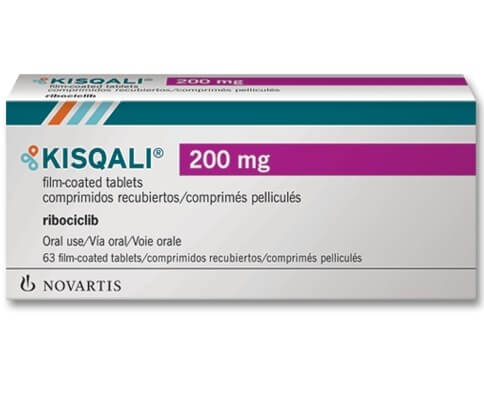
What is Kisqali?
Kisqali is a prescription medication used to treat certain types of breast cancer in adults. This targeted therapy is specifically for cancers that are hormone receptor (HR)-positive and human epidermal growth factor receptor 2 (HER2)-negative. Kisqali is designed for advanced or metastatic breast cancer, meaning cancer that has spread beyond the breast to other parts of the body. It belongs to a class of drugs known as CDK4/6 inhibitors. These drugs work by interrupting the process of cancer cell division and growth.
How does Kisqali work?
Kisqali works by blocking the activity of proteins called cyclin-dependent kinases 4 and 6 (CDK4/6). These proteins are essential for the growth and division of cells. In hormone receptor-positive breast cancer, these proteins are often overactive, which fuels the rapid growth of cancer cells. By inhibiting CDK4/6, Kisqali helps to slow down or stop the proliferation of these cancer cells. This action makes it an effective endocrine-based therapy. It is typically used with an aromatase inhibitor or fulvestrant to further block hormone signals that encourage cancer growth.
Who is Kisqali for?
Kisqali is for adults diagnosed with advanced or metastatic breast cancer that is HR-positive and HER2-negative. It is a suitable first-line treatment for postmenopausal women when combined with an aromatase inhibitor. Additionally, Kisqali can be used with fulvestrant as an initial treatment or for patients whose disease has progressed. This combination with fulvestrant is approved for both postmenopausal women and for men. Your oncologist will perform tests on the cancer cells to determine if Kisqali is an appropriate treatment for your specific type of breast cancer.
Dosage and administration
Kisqali dosage is determined by a healthcare professional based on the patient’s condition. The standard recommended dose is 600 mg of Kisqali, taken as three 200 mg tablets once daily. This is typically done for 21 consecutive days, which is followed by a 7-day break from treatment. This 28-day period completes one full treatment cycle. Kisqali should be taken at approximately the same time each day, with or without food. It is critical to follow your doctor’s instructions precisely and not to alter the dose or schedule without medical advice.
Side effects
Kisqali may cause side effects, though not everyone will experience them. Your doctor will weigh the benefits against the potential risks before prescribing it. It is important to discuss any concerns with your healthcare provider. Common side effects can include:
- Infections
- Headache
- Cough
- Nausea and vomiting
- Diarrhea or constipation
- Fatigue
- Hair loss (alopecia)
- Rash
This is not a complete list of all possible side effects. Contact your doctor immediately if you experience persistent symptoms, signs of infection, or any other unusual effects.
Why buy from IsraelPharm?
IsraelPharm is your trusted source for brand-name medications like Kisqali at affordable prices. We are committed to providing a safe, reliable, and convenient online pharmacy experience. Our licensed pharmacists ensure that every prescription is handled with care and accuracy. By sourcing medications from a regulated supply chain, we offer the same authentic drugs you would find in the US, but with significant savings. Enjoy the convenience of having your treatment delivered directly to your door, backed by our dedicated customer service team ready to assist you.
Most individuals using Kisqali do not experience severe side effects. A doctor prescribes this medication believing its benefits outweigh the risks. However, some common side effects may occur.
- Infections
- Headaches
- Coughing
- Nausea
- Vomiting
- Diarrhea
- Constipation
- Fatigue
- Hair loss (alopecia)
- Rash
Not all potential side effects are listed here. If you experience these symptoms and they persist or worsen, or if you notice other unlisted effects, please consult your doctor or pharmacist for guidance.
Kisqali is indicated for the treatment of adults with hormone receptor (HR)-positive, human epidermal growth factor receptor 2 (HER2)-negative advanced or metastatic breast cancer.
It is used in combination with an aromatase inhibitor as initial endocrine-based therapy. It is also used in combination with fulvestrant as initial endocrine-based therapy or following disease progression on endocrine therapy in postmenopausal women or in men.