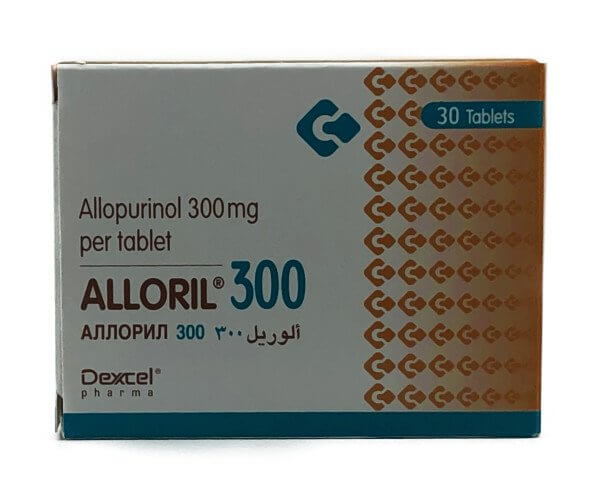
Zyloprim / Alloril (generic name: allopurinol) is a long-term medication used to prevent recurrent
gout attacks,
kidney stones, and manage
high uric acid levels, especially in people receiving chemotherapy. It belongs to a class of medications called
xanthine oxidase inhibitors.
Allopurinol works by reducing the production of
uric acid in the body, helping to prevent the buildup that leads to painful gout flares and kidney stones. This medication must be taken regularly, even if symptoms are not present, to maintain its preventive effect. Read more about this function at
MedlinePlus.
Usual dosage
It is important to follow the dosage instructions printed on the label of the box.
Treatment generally starts at a low dose, commonly
100 mg daily for gout, then increased gradually (by 100 mg weekly) until uric acid levels are controlled, up to a maximum of
800 mg daily. Those with kidney impairment often begin at
50 mg daily, with further adjustments based on kidney function.
For managing high uric acid during cancer treatment, doses may range from
300 mg to 800 mg daily. Always take after meals with sufficient fluids. If a dose is missed, take the next dose at the usual time. D
o not double dose.
Important: continue daily even when there are no symptoms; stopping abruptly may reduce effectiveness or cause flare-ups.
Standard storage
Store at room temperature between
15 °C and 25 °C (59 °F and 77 °F). Protect from heat, moisture, and direct light.
Keep in its original container,
out of reach of children. Do not use after the expiration date (last day of the printed month). Dispose of unused medicine safely; do not flush it down water systems, but return to a pharmacy for proper disposal.
This text is for informational purposes only. Please consult a doctor or pharmacist before using any medication.
The information leaflet that comes with the medication includes full details about possible side effects. Be sure to read and understand these, and if there are any questions, discuss them with a healthcare provider.
If a sudden allergic reaction occurs after taking Zyloprim / Alloril, such as swelling of the face, tongue, or throat; difficulty breathing; hives; or skin peeling, seek emergency medical care immediately.
Use during pregnancy or breastfeeding should be discussed with a healthcare provider; the benefits and risks must be carefully weighed.
Most people taking Zyloprim / Alloril do not experience serious side effects. This medication is prescribed when its benefit outweighs potential risks.
Reported side effects include rash, nausea, stomach upset, drowsiness, headache, and an initial increase in gout attacks. Serious reactions such as blood abnormalities, liver problems, or severe rash (e.g., Stevens-Johnson syndrome) are rare but require immediate medical attention.
If side effects persist or worsen, consult a healthcare provider or pharmacist.
Alloril is approved for preventing gout attacks by lowering blood uric acid levels. It also helps prevent recurrence of uric acid kidney stones and treats hyperuricemia (high uric acid) in patients undergoing chemotherapy or those with enzyme disorders. Gout involves sudden joint pain and swelling (often in the big toe), kidney stones can cause severe back or abdominal pain, and elevated uric acid increases risk of both—treatment reduces these risks.