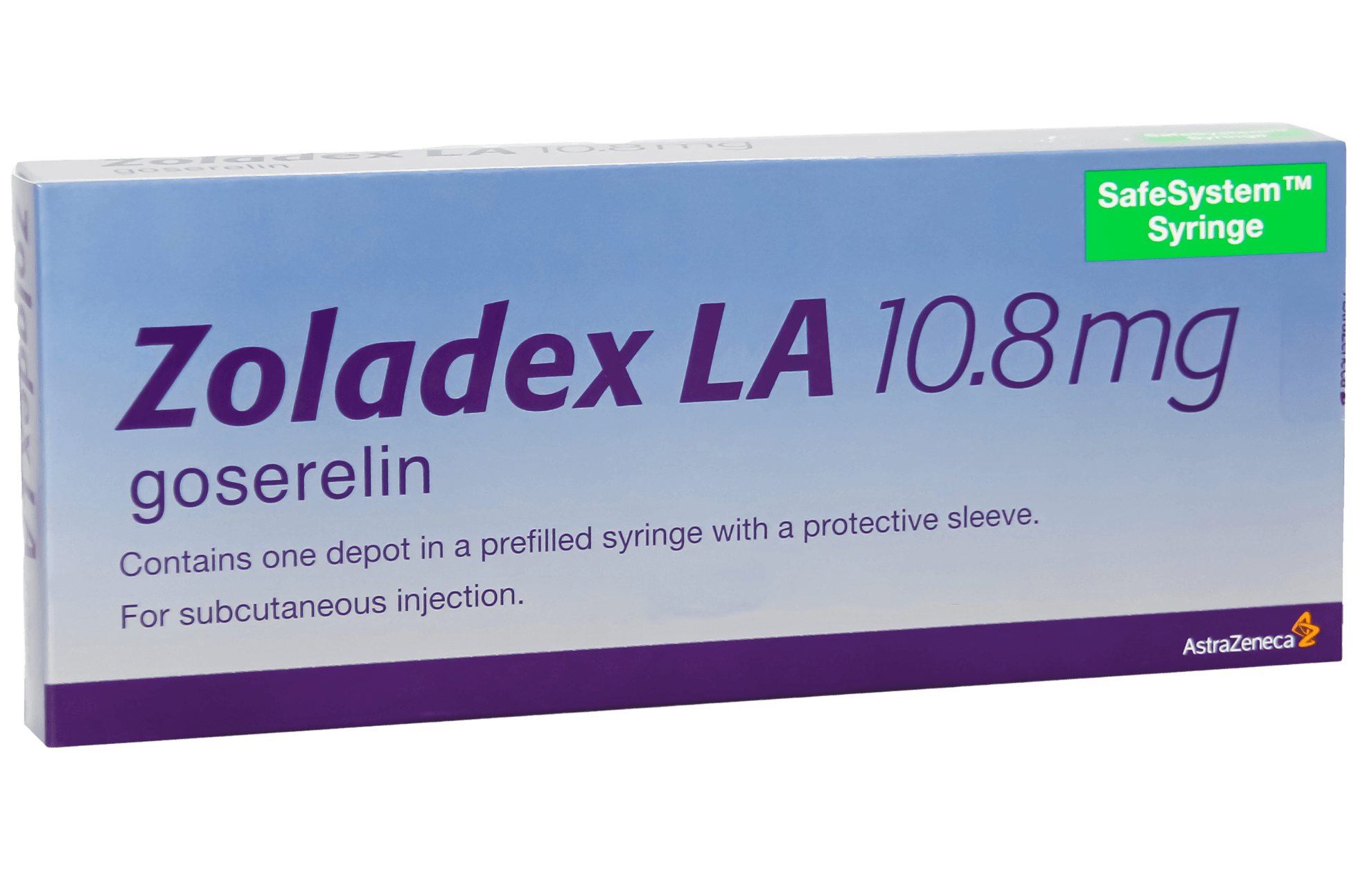
What is Zoladex?
Zoladex is a brand-name prescription medication that contains the active ingredient goserelin. This medicine belongs to a class of drugs known as gonadotropin-releasing hormone (GnRH) agonists. It is supplied as a tiny implant placed just under the skin of your abdomen. Zoladex is primarily used to treat hormone-sensitive cancers. It is also used for other conditions that respond to reduced estrogen or testosterone levels. The implant dissolves slowly over time. It releases the medication at a steady rate.
How does Zoladex work?
Zoladex works by influencing the pituitary gland in your brain. This gland is a master control for many hormones. When first administered, Zoladex temporarily increases hormone production. However, with continued use, it desensitizes the pituitary gland. This action significantly lowers the body’s production of luteinizing hormone (LH). Lower LH levels lead to a sharp drop in testosterone in men. It also leads to a drop in estrogen in women. This process, often called medical castration, starves hormone-dependent tumors of the hormones they need to grow.
Who is Zoladex for?
Zoladex is prescribed for men with symptomatic advanced prostate cancer. The medication helps manage the disease by lowering testosterone levels. It is also for some women with hormone receptor-positive breast cancer. Additionally, Zoladex treats endometriosis, a painful condition where uterine tissue grows elsewhere. It can be used to manage uterine fibroids before surgery. Finally, it sometimes plays a role in assisted reproduction technologies. It helps prepare the body for fertility treatments like IVF.
Dosage and administration
Zoladex dosage and administration must be handled by a healthcare professional. It is given as a subcutaneous injection into the upper abdominal wall. The small, solid implant is about the size of a grain of rice. The standard schedule involves receiving a 3.6 mg implant every 28 days. An alternative is a 10.8 mg implant administered every 12 weeks for palliative cancer treatment. Your doctor will determine the correct dose and schedule for your specific condition. It is very important to keep your scheduled appointments to ensure the medication works continuously.
Side effects
Zoladex may cause side effects that are mostly related to its hormonal action. Common effects for both men and women include hot flashes, sweating, and decreased libido. Men might experience erectile dysfunction. Women may notice vaginal dryness and changes in breast size. Mood changes and injection site reactions can also occur. More serious side effects are possible but less common. These can include bone pain, high blood sugar, and cardiovascular problems. You should talk to your doctor about any side effects you experience.
Why buy from IsraelPharm?
IsraelPharm offers a reliable and affordable way to purchase your essential medications like Zoladex. We are committed to providing only genuine, brand-name pharmaceuticals sourced from trusted manufacturers. Our platform allows you to skip the high costs of local pharmacies. You get competitive pricing without sacrificing quality or safety. We provide discreet and secure shipping directly to your door. Our customer service team is ready to assist you. Choose IsraelPharm for a convenient and cost-effective prescription service.
Zoladex can cause side effects. Many are due to lowered hormone levels.
Common Side Effects:
- Hot flashes or flushing
- Increased sweating
- Reduced sexual interest or ability
- Mood swings or depression
- Headaches
- Injection site reactions (bruising, redness, or pain)
- Vaginal dryness (in women)
- Swelling in hands or feet
Less Common but Serious Side Effects:
- Tumor flare reaction (temporary increase in symptoms)
- High blood sugar or diabetes
- Heart problems, including changes in heart rhythm
- Bone loss or increased risk of fracture with long-term use
- Serious allergic reactions
Zoladex (goserelin) may be prescribed for several medical conditions, including:
- Palliative treatment of advanced prostate cancer
- Management of endometriosis, including for pain relief
- Treatment for advanced breast cancer in certain women
- Thinning the uterine lining (endometrium) before surgery
- Management of uterine fibroids to reduce symptoms
- Use in assisted reproductive technology (fertility treatment)