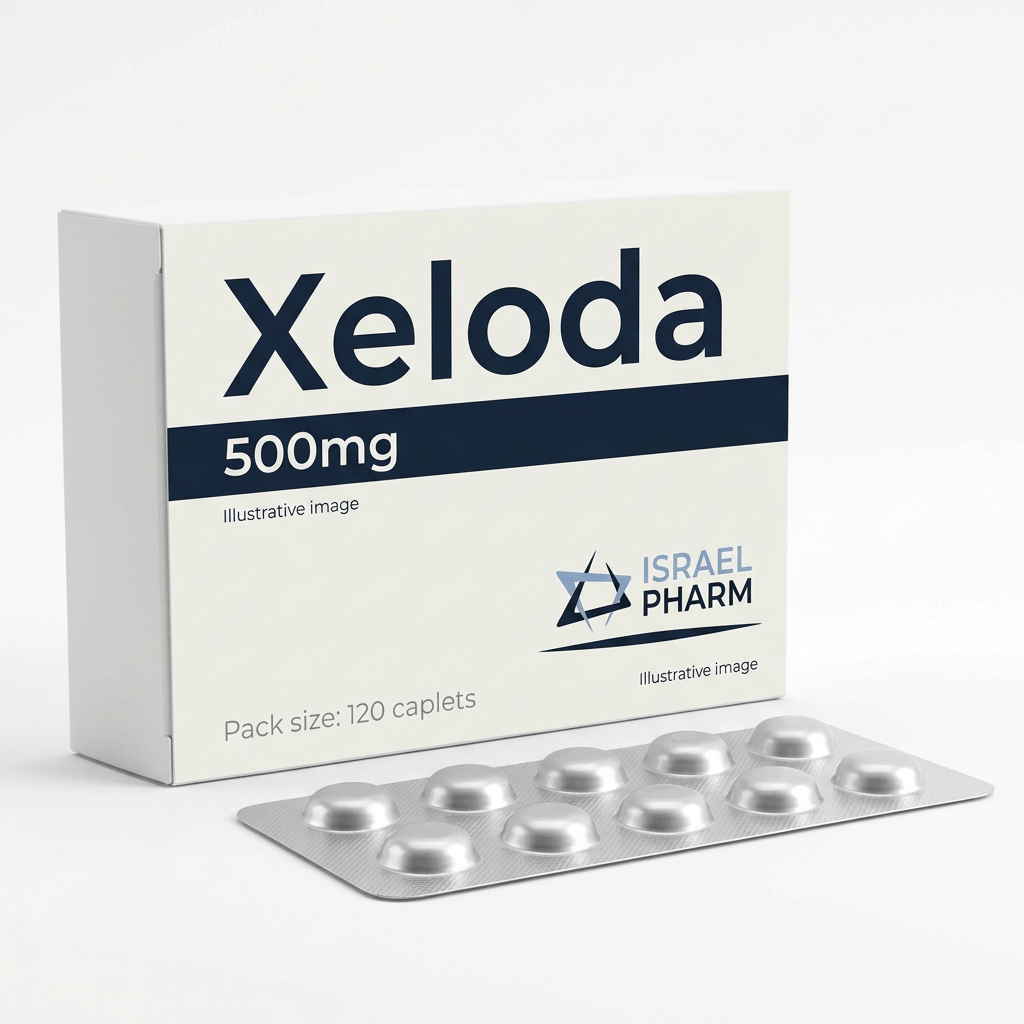
What is Xeloda?
Xeloda (Capecitabine) is an oral chemotherapy drug used to treat various types of cancer. It belongs to a class of drugs known as antimetabolites. This medication is a prodrug, which means it is converted into its active form within the body. The active substance, 5-fluorouracil (5-FU), then targets and destroys cancer cells. Xeloda is often preferred because it is taken as a tablet. This provides a more convenient option than intravenous (IV) chemotherapy. It is prescribed for cancers that have spread or are at risk of returning. Your oncologist will determine if it is right for you. This treatment requires careful medical supervision.
How does Xeloda work?
Xeloda works by interfering with the growth of rapidly dividing cancer cells. After you take a Xeloda tablet, it travels through your body. It is then converted into 5-fluorouracil (5-FU), a potent anti-cancer agent. This conversion happens more in tumor cells than in healthy cells. This targeted action helps reduce damage to normal tissues. The 5-FU molecule is very similar to a natural substance cells need to make DNA. Cancer cells mistakenly use the 5-FU, which blocks DNA synthesis. This process stops them from multiplying and eventually causes them to die. This targeted process helps slow or stop tumor growth.
Who is Xeloda for?
Xeloda is prescribed for adults diagnosed with specific types of advanced cancer. It is commonly used for patients with metastatic breast cancer. It is also a primary treatment for metastatic colorectal cancer. Doctors may also prescribe it as an adjuvant therapy for colon cancer. This means it is used after surgery to reduce the risk of the cancer returning. Patients with advanced stomach or esophageal cancer may also receive it. This drug is for individuals who can tolerate its potent effects. Your doctor will evaluate your overall health and medical history. This evaluation ensures Xeloda is a suitable and safe option for your treatment plan. It is not for children.
Dosage and administration
Xeloda dosage and administration are determined by a healthcare professional. Your specific dose depends on your body surface area. It also depends on the type of cancer being treated. Doctors consider your kidney function as well. Xeloda tablets are taken orally with water. They should be swallowed whole within 30 minutes after a meal. Do not crush or chew the tablets. A typical treatment cycle consists of 14 days of taking Xeloda, followed by a 7-day rest period. This 3-week cycle is repeated as directed by your oncologist. It is critical to follow your doctor’s instructions precisely. Never alter your dose without medical advice.
Side effects
Xeloda may cause several side effects, ranging from mild to severe. The most common side effects include diarrhea, nausea, and vomiting. You might also experience hand-foot syndrome. This condition causes redness, swelling, and pain on the palms and soles. Fatigue, weakness, and mouth sores are also frequently reported. Less common but more serious side effects can occur. These include severe dehydration from diarrhea or vomiting. Signs of infection like fever or chills require immediate attention. Chest pain or yellowing of the skin (jaundice) are also serious. Report any unusual or severe symptoms to your doctor immediately for proper management.
Why buy from IsraelPharm?
IsraelPharm offers a reliable and affordable way to purchase your Xeloda medication. We are committed to providing access to safe, authentic prescription drugs from licensed sources. Our prices are competitive, helping you save on vital cancer treatments. We understand the importance of timely access to your medication. Our streamlined ordering process is simple and secure. An experienced team of pharmacy professionals handles your order with care. We provide excellent customer service to support you throughout the process. Choose IsraelPharm for a trusted partner in your healthcare journey. We ensure you get the medications you need without financial strain.
Potential Side Effects of Xeloda
Xeloda can cause side effects ranging from mild to severe. It is important to monitor your health and report any adverse effects to your doctor. Not everyone will experience these side effects.
Common Side Effects
- Diarrhea, nausea, or vomiting
- Stomach pain or loss of appetite
- Hand-foot syndrome (palmar-plantar erythrodysesthesia), causing redness, swelling, or pain
- Fatigue and weakness
- Mouth sores or ulcers
Serious Side Effects
Contact your healthcare provider immediately if you experience any of the following:
- Severe or persistent diarrhea (more than 4 episodes per day)
- Vomiting that prevents you from eating or drinking
- Signs of dehydration, such as dizziness or decreased urination
- Fever, chills, or other signs of infection
- Chest pain or symptoms of a heart attack
- Jaundice (yellowing of the skin or eyes)
What is Xeloda prescribed for?
Xeloda is used to treat several types of cancer, either alone or in combination with other drugs. Its primary indications include:
- Metastatic Breast Cancer: For patients who have not responded to other chemotherapy drugs.
- Metastatic Colorectal Cancer: As a first-line treatment for cancer of the colon or rectum that has spread.
- Adjuvant Colon Cancer: For patients after surgery for Stage III (Duke’s C) colon cancer.
- Gastric or Esophageal Cancer: Often used in combination with other agents for advanced stomach or esophageal cancer.