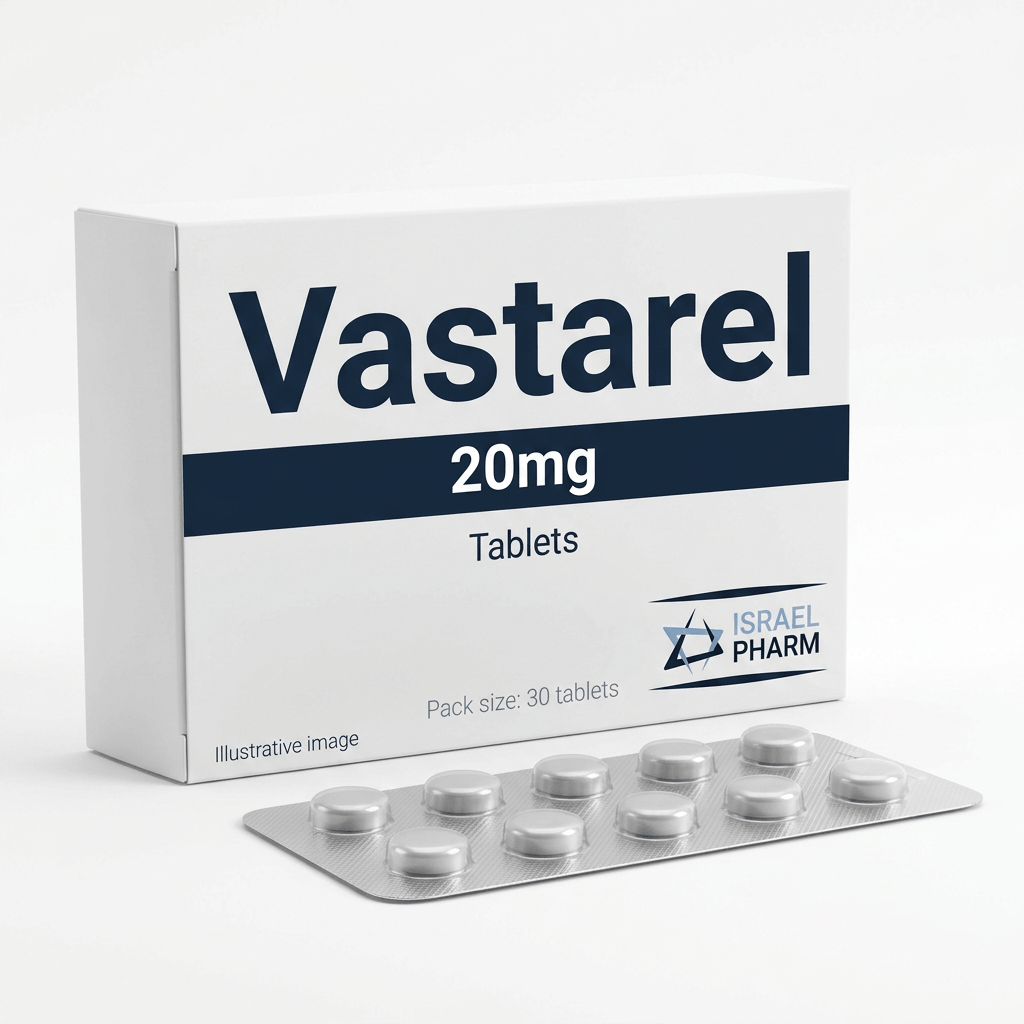
What is Vastarel?
Vastarel is an anti-anginal medication prescribed for the long-term treatment of stable angina pectoris in adults. Its active ingredient is trimetazidine. Unlike other angina drugs that affect blood flow, Vastarel is a metabolic agent. This means it works directly within the heart’s cells. It helps them use oxygen more efficiently. Vastarel is typically added to a patient’s treatment plan. This happens when initial therapies do not provide enough symptom control. It is not meant for treating sudden angina attacks.
How does Vastarel work?
Vastarel works by improving the energy metabolism of heart cells during times of stress. Normally, the heart gets energy from breaking down fatty acids. This process requires a lot of oxygen. When blood flow is limited, like in angina, the heart doesn’t get enough oxygen. Vastarel encourages the heart cells to switch their energy source. They start using glucose instead of fatty acids. Burning glucose for energy requires less oxygen. This metabolic shift protects heart cells from damage caused by low oxygen levels (ischemia). It helps the heart function more efficiently. This reduces the frequency of angina pain and improves a person’s ability to exercise.
Who is Vastarel for?
Vastarel is for adult patients diagnosed with stable angina pectoris. It is often prescribed as an add-on therapy. This is for individuals whose symptoms are not fully managed by other anti-anginal medications. These can include beta-blockers or calcium antagonists. The medication is ideal for patients who continue to experience chest pain despite their current treatment. It provides an additional layer of protection for the heart. Vastarel is not recommended for children or adolescents under 18. It is also not for initial therapy.
Dosage and administration
Vastarel is typically prescribed as one tablet taken twice a day. You should take one dose in the morning and one in the evening. It is important to take the tablet with a glass of water during meals. Swallow the tablet whole without crushing or chewing it. Consistency is key to achieving the best results from this medication. Always follow your doctor’s instructions precisely. Do not change your dose or stop taking the medication without consulting your healthcare provider first. They will determine the correct dosage for your specific condition.
Side effects
Vastarel may cause some side effects, though not everyone experiences them. It is generally well-tolerated by most patients. Being aware of potential side effects is important. Common side effects may include:
- Dizziness or headache
- Abdominal pain, nausea, or vomiting
- Diarrhea or indigestion
- Rash, itching, or hives
- A feeling of weakness (asthenia)
More serious side effects are rare but require immediate medical attention. These can include movement problems like tremors, stiffness, or an unstable walk. If you experience any severe or persistent side effects, contact your doctor right away.
Why buy from IsraelPharm?
IsraelPharm offers a reliable and affordable way to purchase your medications online. We provide access to authentic, brand-name drugs like Vastarel, sourced from regulated suppliers. Our platform allows you to order your prescriptions from the comfort of your home. A team of licensed pharmacists verifies every order, ensuring your safety and well-being. We are committed to providing competitive pricing. This helps you save money on your long-term treatment costs. Choosing IsraelPharm means choosing convenience, quality, and excellent customer care for your health needs.
Common Side Effects:
- Dizziness
- Headache
- Abdominal pain
- Diarrhea
- Indigestion
- Nausea and vomiting
- Rash, itching, or hives
- General feeling of weakness
Serious Side Effects (contact a doctor immediately):
- Parkinsonian symptoms (tremor, slow movement, muscle rigidity)
- Unstable gait or restless legs syndrome
- Sleep disorders (difficulty sleeping, drowsiness)
- Hepatitis (inflammation of the liver)
Vastarel (Trimetazidine) is indicated for the treatment of:
- Stable angina pectoris in adult patients, often in combination with other anti-anginal therapies.