Login

Fast Delivery

Ships from Israel

Secure Payment
Genuine Brands
Pharmacist Oversight
Proudly Israeli
Free Shipping on orders over $99*
Spend $99, get free U.S. shipping*
Tariff now required on U.S. shipments. Learn more »
Tel: 1-866-456-3768 Fax: 1-866-544-8993

For visual reference only; actual product may vary
US Name:
Valchlor
Alternative Names:
Active Ingredients:
Mechlorethamine
Brand Manufacturer:
Manufacturer Location:
Click here to view Product Insert

For visual reference only; actual product may vary
Valchlor is a brand-name prescription gel containing mechlorethamine. It is a topical chemotherapy agent used to treat the skin symptoms of Stage IA and IB mycosis fungoides, a type of cutaneous T-cell lymphoma (CTCL). Valchlor works by slowing the growth of cancer cells directly on the skin.
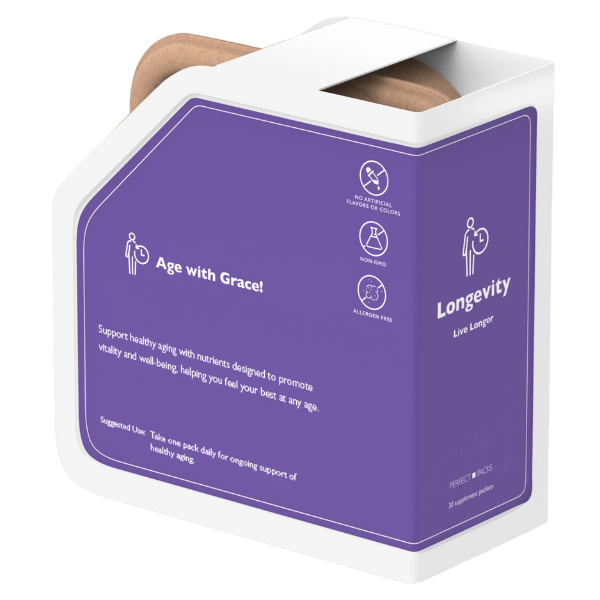
Longevity Pack | 30 Pouches 1 Pouch a Day | –+ | Our price: $84.15 | |
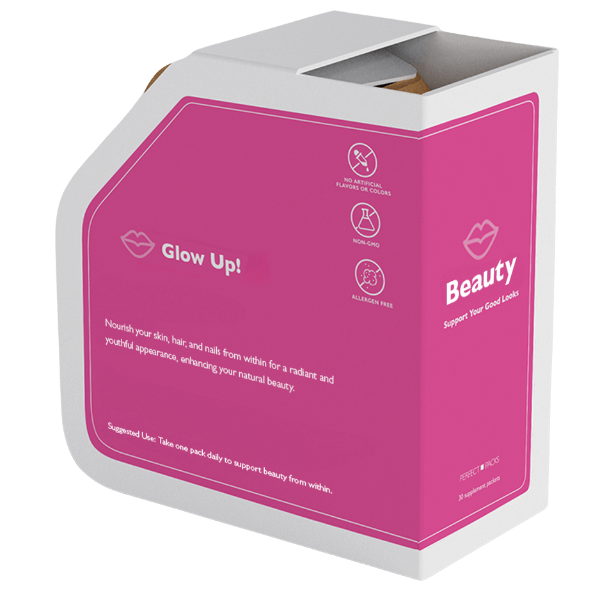
Beauty Pack | 30 Pouches 1 Pouch a Day | –+ | Our price: $72.25 |
Valchlor is a topical chemotherapy medication prescribed to treat a specific type of skin cancer. Its active ingredient is mechlorethamine. This medication is used for patients with mycosis fungoides-type cutaneous T-cell lymphoma (CTCL). It is a gel that is applied directly to the affected skin. This allows the drug to target cancer cells locally. The treatment is specifically for early-stage disease. It helps manage skin symptoms like patches and plaques.
Valchlor works by slowing or stopping the growth of cancer cells. The active ingredient, mechlorethamine, is an alkylating agent. When applied to the skin, it damages the DNA within the cancer cells. This damage prevents the cells from dividing and multiplying. By disrupting this process, Valchlor helps to reduce the number of cancerous T-cells in the skin. This leads to an improvement in the skin lesions associated with mycosis fungoides.
Valchlor is for patients diagnosed with a specific type of skin lymphoma. It is approved for adults with Stage IA and IB mycosis fungoides-type cutaneous T-cell lymphoma. Typically, this medication is prescribed to patients who have already tried other skin-directed therapies. It is not intended for advanced stages of the disease. A doctor, usually a dermatologist or oncologist, will determine if this treatment is appropriate for a patient based on their diagnosis and treatment history.
Valchlor dosage and administration involves applying a thin film of the gel to the skin. Patients usually apply it once daily. It is very important to follow your doctor’s specific instructions. You should only apply the gel to the affected areas. Avoid contact with eyes, mouth, or other mucous membranes. Disposable nitrile gloves must be worn during application to prevent exposure. After applying, the gloves should be disposed of properly. Hands should be washed thoroughly after the process. The amount of gel used depends on the size of the area being treated.
Valchlor may cause side effects, with the most common being skin reactions. These effects typically occur at the application site. Patients may experience redness, swelling, itching, or blistering. This is known as contact dermatitis. Skin ulcers or hyperpigmentation (darkening of the skin) can also occur. While the drug is topical, some of it can be absorbed into the body. This can lead to a low risk of other cancers. It is important to discuss all potential side effects with your healthcare provider before starting treatment. Report any severe or persistent reactions immediately.
IsraelPharm is a trusted source for brand-name medications like Valchlor. We are committed to providing safe, authentic pharmaceuticals to patients in the United States. Our licensed pharmacy ensures every product is sourced from reputable manufacturers. We make it simple to order your prescriptions online. Our customer service team is available to assist you. We provide reliable and discreet shipping directly to your home. Choosing IsraelPharm means choosing a reliable partner in your healthcare journey.
Valchlor may cause side effects, some of which can be serious. The most common side effects are skin reactions at the site of application.
Valchlor gel is indicated for the topical treatment of:
Valchlor gel is a prescription medication used to treat the skin symptoms of a type of cancer called mycosis fungoides-type cutaneous T-cell lymphoma (CTCL). It is specifically approved for patients in Stage IA and IB who have already received other skin-directed treatments. This topical chemotherapy helps manage skin lesions, redness, and plaques by slowing cancer cell growth directly on the skin.
Valchlor does not work overnight, and its effectiveness varies among individuals. Some patients may begin to see improvement in their skin lesions within a few months of starting daily treatment. For others, it might take longer to observe the full benefits. Consistent application as prescribed by your doctor is essential for achieving the best possible results with this medication.
Valchlor should be applied once daily as prescribed. If you miss a dose, you should apply it as soon as you remember. However, if it is nearly time for your next scheduled dose, you should skip the missed one entirely. Never apply a double dose to make up for a missed application, as this can increase your risk of skin-related side effects.
Valchlor is considered a topical chemotherapy drug. Its active ingredient, mechlorethamine, is an alkylating agent that stops cancer cells from growing and dividing by damaging their DNA. Unlike chemotherapy taken orally or by IV, Valchlor is applied to the skin. This allows it to target the skin cancer cells locally, which helps to limit its effects on the rest of the body.
Valchlor application requires careful handling, and you must wear disposable nitrile gloves. This protects you and any caregivers from accidental exposure to the potent medication. After applying the gel, you must carefully remove the gloves, place them in a sealed plastic bag, and throw them away in the household trash. Always wash your hands thoroughly after application is complete.
Valchlor can cause significant harm to an unborn baby and must not be used during pregnancy. Women who are able to become pregnant are required to use effective birth control during treatment and for a period after stopping it. Male patients with female partners who can become pregnant must also use effective contraception. Discuss all family planning with your doctor before starting Valchlor.
The most common side effects of Valchlor are skin reactions where the gel is applied. These effects are often diagnosed as dermatitis and can include redness, swelling, itching, blistering, and skin sores or ulcers. Darkening of the skin, known as hyperpigmentation, may also happen. Your doctor can provide guidance on managing these reactions, which may involve supportive care or adjusting your dose.
Valchlor is not a cure for mycosis fungoides-type cutaneous T-cell lymphoma (CTCL). It is an effective topical treatment designed to manage the skin symptoms of the disease in its early stages. The primary goal of using Valchlor is to control the cancer on the skin, reduce the size and number of lesions, and improve the patient’s overall quality of life.
Valchlor gel must be stored in a refrigerator with a temperature between 36°F and 46°F (2°C to 8°C). Do not allow the medication to freeze. Keep the tube tightly capped and inside its original carton to protect it from light. As with all prescription medicines, you must keep Valchlor stored safely out of the reach of children and pets.
Valchlor requires specific timing with other skincare products for proper absorption. You should wait at least 30 minutes after applying the gel before putting on any moisturizers, lotions, or creams. This waiting period allows the medication to fully penetrate the skin without interference. Always consult your doctor about the best skincare routine to follow during your treatment.
Valchlor can cause severe chemical burns and injury if it comes into contact with your eyes. If accidental exposure occurs, you must immediately flush the affected eye with large amounts of plain water for at least 15 minutes. After flushing, you should contact your doctor or seek emergency medical attention right away to prevent serious or permanent damage to your eye.
Valchlor may make your skin more sensitive to sunlight, a condition called photosensitivity. It is highly recommended to protect the treated skin from direct and prolonged sun exposure. You should wear protective clothing that covers the application sites or use a broad-spectrum sunscreen if you plan to be outdoors. This precaution helps prevent sunburn and other sun-related skin reactions during treatment.
Valchlor can cause changes in the color of the skin where it is applied. This side effect is known as hyperpigmentation, or skin darkening. This is a relatively common reaction to the medication and may be temporary for some patients, but it can be long-lasting for others. If you notice any significant or bothersome skin color changes, you should report them to your doctor.
Send Your Prescription
No Hidden Fees
Generally 7-10 Business Days

IsraelPharm has been delivering lost cost prescriptions from Israel for over 15 years worldwide. Daily flights allow us to get your medications dispatched fast! Delivery to the USA is under 10 days and you can track and trace every order.


Struggling with acid reflux? Sarah Ryan shares her personal experience using Nexium for GERD and how to find affordable brand-name relief through a licensed pharmacy.

Polycystic Metabolic Ovarian Syndrome (PMOS) is the new clinical name for the condition long known as Polycystic Ovary Syndrome (PCOS). The change reflects a deeper scientific understanding that insulin resistance and metabolic dysfunction sit at