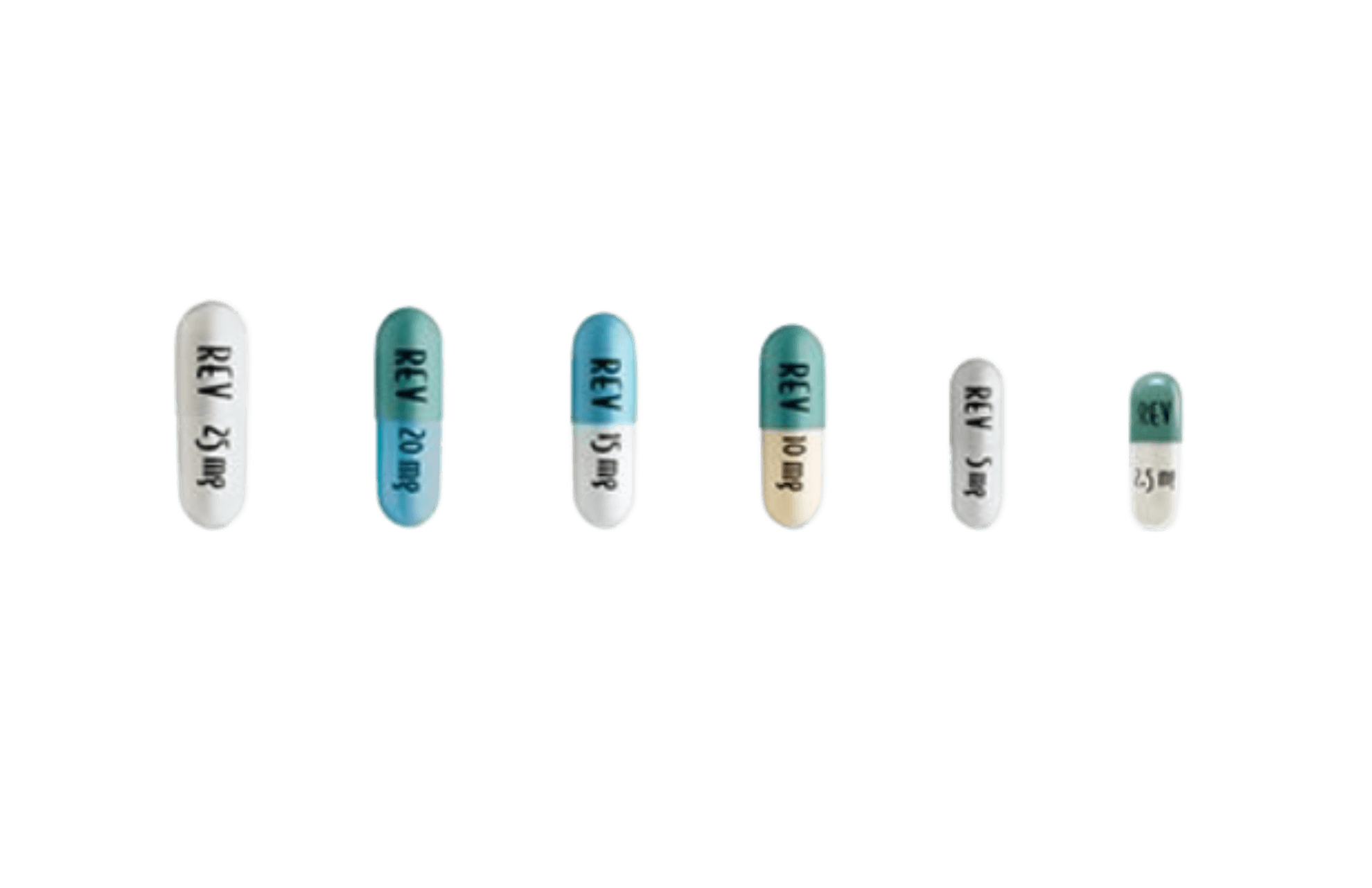
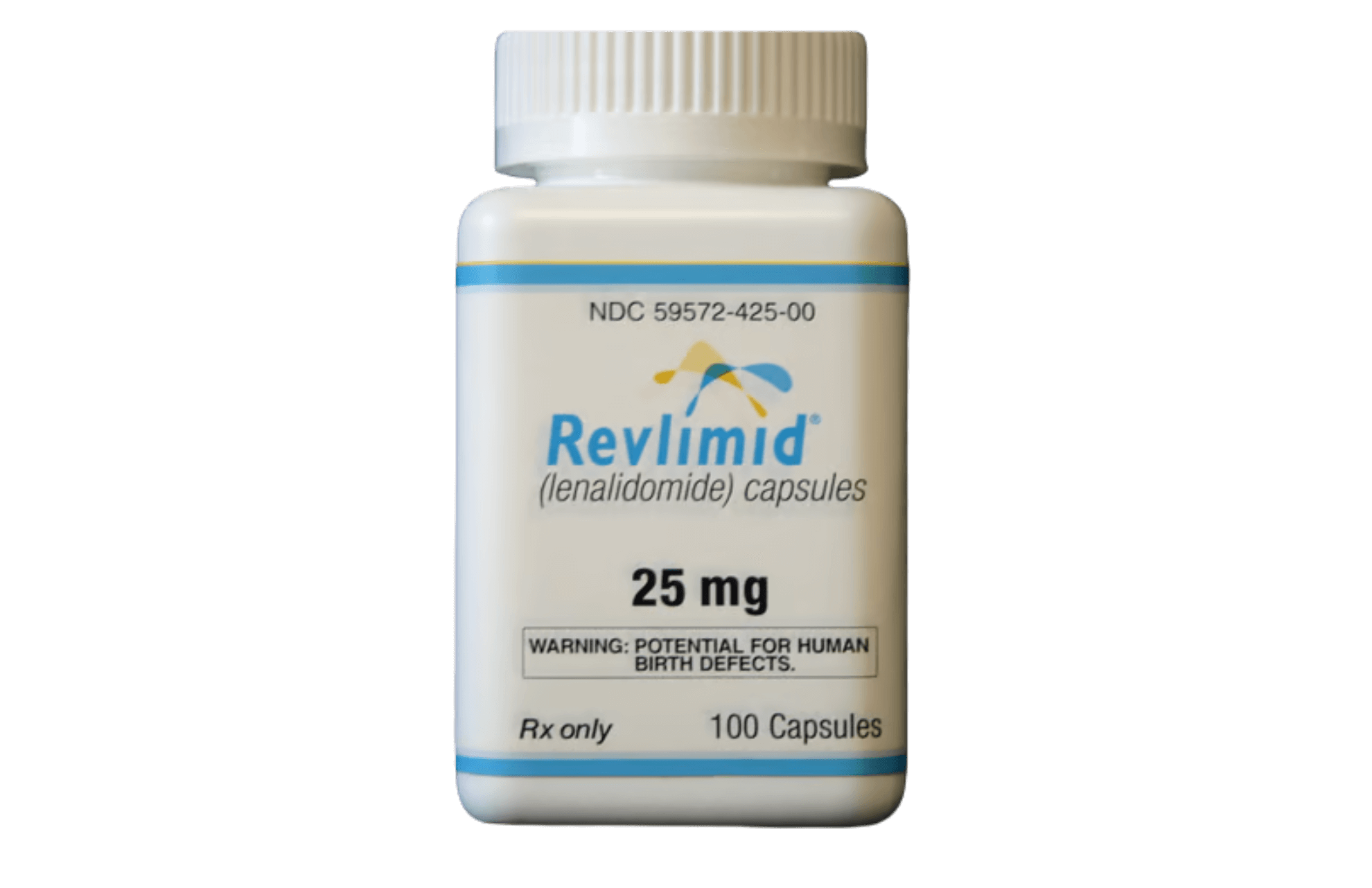
What is Revlimid?
Revlimid is a prescription oral cancer medication with the active ingredient lenalidomide. It is classified as an immunomodulatory agent, meaning it changes how your immune system works. Doctors prescribe Revlimid to treat several types of blood and bone marrow cancers. This medication is a key part of therapy for many patients. It helps manage the disease and control symptoms associated with the cancer. It is available only through a special restricted distribution program due to its potential risks. This program ensures patients are fully aware of how to use the drug safely. Your healthcare provider will give you all the necessary information.
How does Revlimid work?
Revlimid works in a multi-faceted way to fight cancer. Its primary action is to enhance the body’s natural immune response. It helps immune cells, like T-cells and natural killer cells, identify and destroy cancerous plasma cells. Revlimid also directly stops cancer cells from growing and dividing. Additionally, it prevents the formation of new blood vessels that tumors need to grow, a process called anti-angiogenesis. This combination of effects helps slow the progression of the cancer. It effectively reduces the number of abnormal cells in the bone marrow.
Who is Revlimid for?
Revlimid is for adults diagnosed with specific types of blood cancers. It is commonly used to treat multiple myeloma, a cancer of plasma cells. Patients often take it in combination with other drugs like dexamethasone. It is also approved for certain myelodysplastic syndromes (MDS). This is particularly true for patients with a specific genetic marker known as the 5q deletion. Furthermore, Revlimid is used for mantle cell lymphoma and follicular lymphoma. It is typically prescribed after other treatments have been tried and the cancer has returned or progressed. A doctor will determine if it is the right choice.
Dosage and administration
Revlimid dosage and administration require careful adherence to your doctor’s instructions. The medication comes in capsule form and should be swallowed whole with water once daily. You should not break, chew, or open the capsules. It can be taken with or without food, but try to take it at the same time each day. Treatment often follows a cycle, such as taking the drug for 21 days followed by 7 days off. If you miss a dose, take it only if less than 12 hours have passed. If it has been more than 12 hours, skip the dose and wait for your next scheduled time. Do not double your dose.
Side effects
Revlimid carries a risk of side effects, some of which can be serious. Common side effects include tiredness, diarrhea, constipation, nausea, and rash. It can also cause low blood cell counts, leading to a higher risk of infection, bruising, or anemia. Your doctor will monitor your blood work closely. A very serious risk is the potential for severe birth defects. For this reason, it is not for women who are pregnant or planning to become pregnant. It also increases the risk of blood clots, like deep vein thrombosis (DVT). Seek immediate medical help for any signs of an allergic reaction or blood clot.
Why buy from IsraelPharm?
IsraelPharm provides a reliable and affordable source for vital medications like Revlimid. We are committed to patient safety and access to authentic, brand-name drugs. Our pharmacy sources products directly from licensed distributors, ensuring quality. We understand the high cost of cancer treatment. We work hard to offer competitive pricing and significant savings. Our customer service team helps you navigate the ordering process. We provide discreet, direct shipping to your home. You can trust IsraelPharm for your prescription needs.
Potential Side Effects
While taking Revlimid, some patients may experience side effects. Always consult your doctor for medical advice. Common side effects include:
- Tiredness or fatigue
- Diarrhea or constipation
- Nausea
- Skin rash
- Fever
- Low white or red blood cell counts
- Low platelet counts
- Muscle cramps or back pain
Serious side effects require immediate medical attention. These include signs of a blood clot (swelling, pain), severe blistering skin rash, or an allergic reaction. This medication carries a high risk of causing severe birth defects.
Conditions Treated by Revlimid
Revlimid is approved for treating several types of blood and bone marrow cancers:
- Multiple Myeloma: A cancer of plasma cells. Revlimid slows cancer growth and helps the immune system fight the disease.
- Myelodysplastic Syndromes (MDS): Disorders where the bone marrow fails to produce enough healthy blood cells, especially in patients with a 5q chromosome deletion.
- Mantle Cell Lymphoma: A type of non-Hodgkin lymphoma. It is used for patients whose disease has relapsed or progressed after previous treatment.
- Follicular Lymphoma: Another form of non-Hodgkin lymphoma. It is used in combination with other drugs after prior therapies.