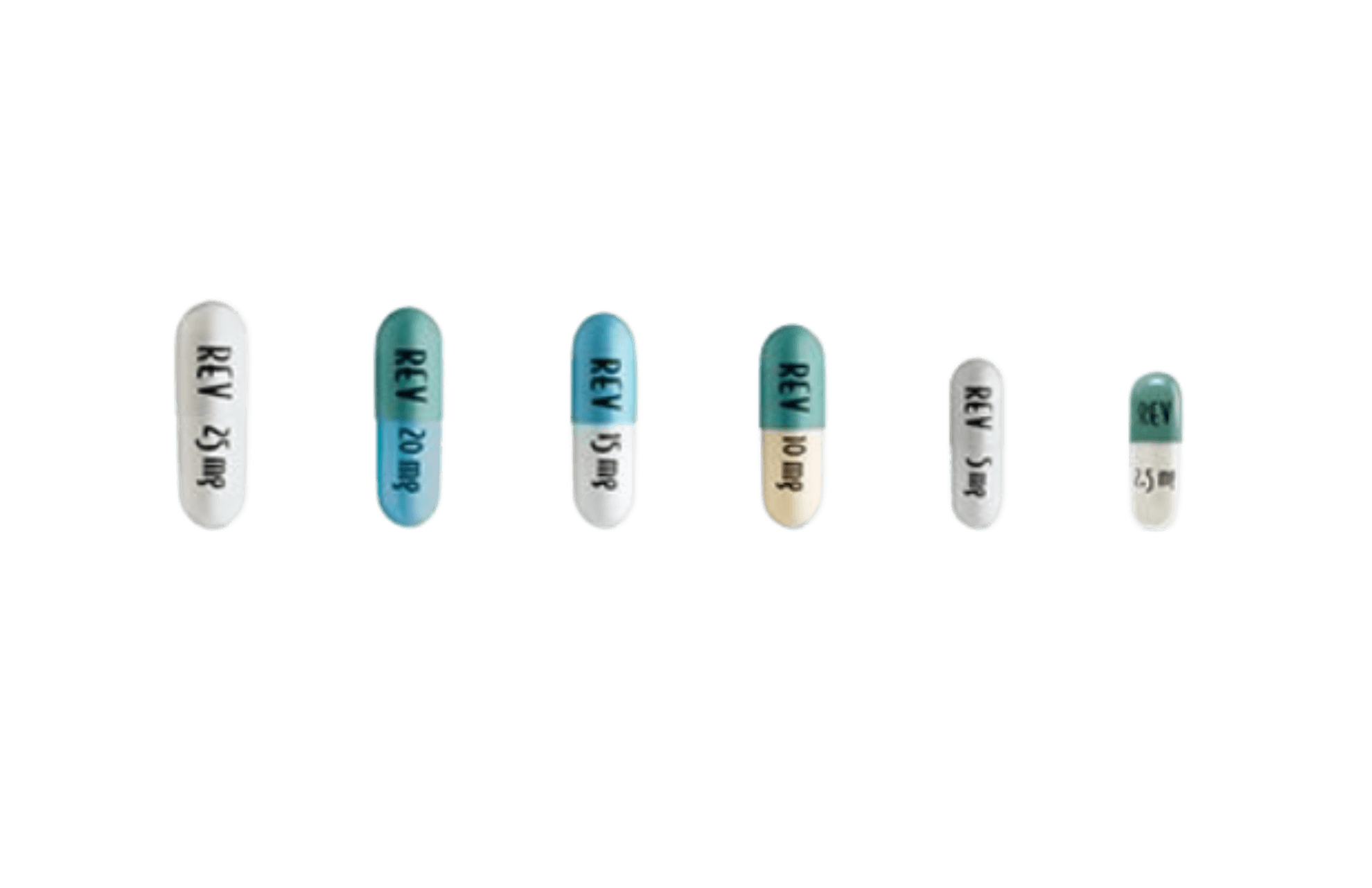
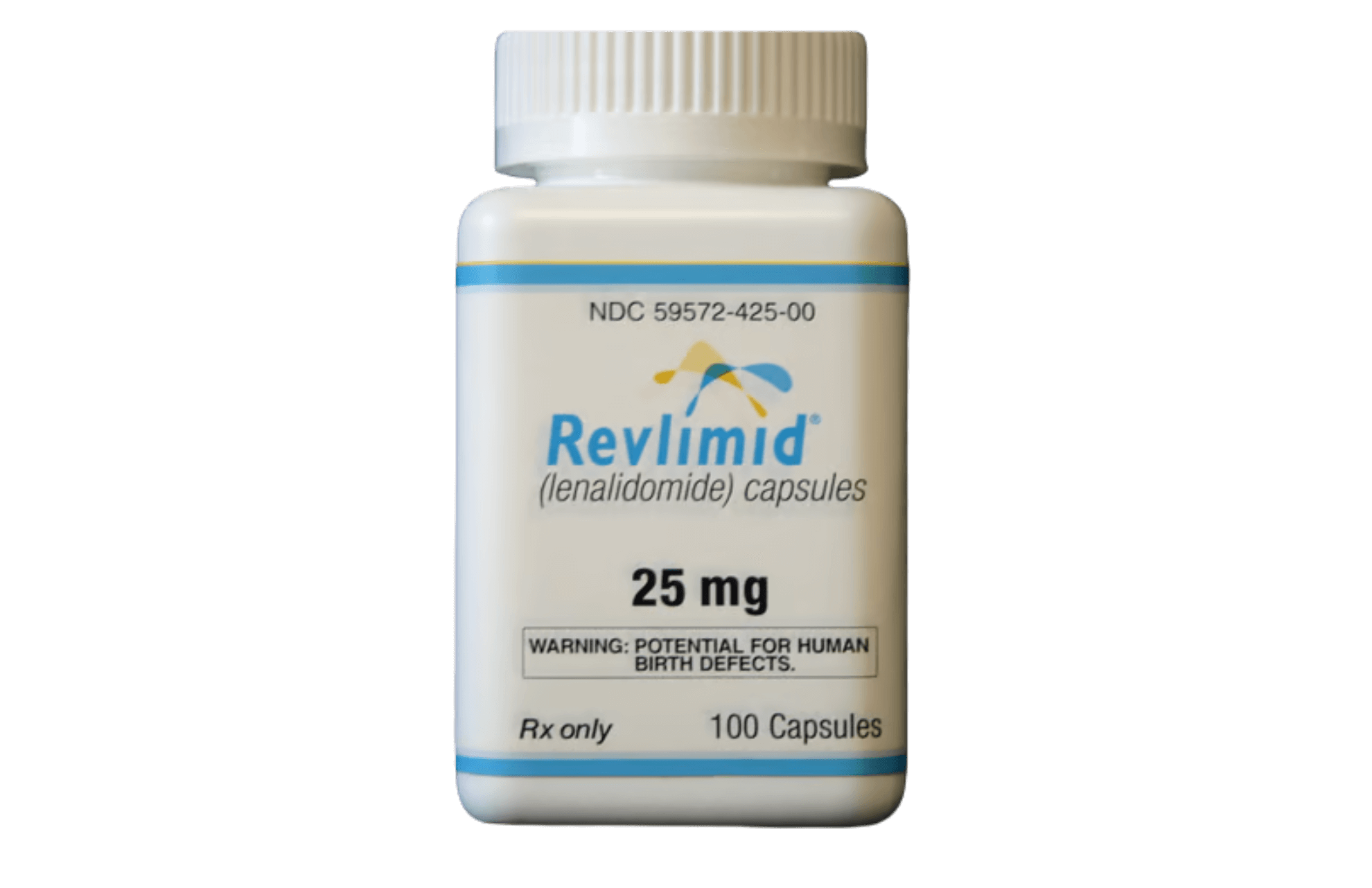
Revlimid (generic name: lenalidomide) can be prescribed to treat certain blood cancers and bone marrow disorders. It is most commonly used for conditions such as multiple myeloma, myelodysplastic syndromes (MDS) with a specific genetic abnormality, and some types of lymphoma, including mantle cell and follicular lymphoma.
Lenalidomide works by modifying how the immune system functions. It enhances immune responses against abnormal cells, reduces inflammation, and slows or stops the growth of harmful cells. It also interferes with the development of new blood vessels that help cancer cells grow. Lenalidomide belongs to a group of drugs known as immunomodulatory agents.
In many cases, it is used in combination with other therapies like Dexamethasone or Rituxan. It may also be used alone, especially in patients who cannot tolerate other treatments. For some conditions, it is given as long-term maintenance therapy to help prevent the disease from returning after initial treatment.
Due to serious risks such as birth defects and blood clots, Revlimid is available only through a controlled distribution program that ensures proper patient monitoring and safety precautions.
Caution: Women who are of childbearing age and are fertile must use two methods of contraception at the same time, for at least four weeks before starting treatment, during treatment, during treatment interruptions and for at least four weeks after stopping treatment, whether Revlimid is being used by themselves or their partner, since the drug can pass from males to females in semen. Males who are being treated with Revlimid should not donate sperm during treatment and for four seeks after stopping.
Dosage
It is important to follow the dosage instructions printed on the label of the box. Check with a doctor or pharmacist if there are any doubts regarding the proper dosage and treatment regimen.
-
Revlimid is usually taken by mouth once daily.
-
It is commonly prescribed in cycles of 21 days on, followed by 7 days off.
-
Capsules must be swallowed whole with water. Do not crush, chew, or open.
-
It may be taken with or without food.
-
If a dose is missed and less than 12 hours have passed, take it as soon as possible. If more than 12 hours have passed, skip the missed dose. Never take a double dose.
Patients must continue treatment even if symptoms improve.
Storage
-
Store at 68°F to 77°F (20°C to 25°C).
-
Keep away from moisture and direct sunlight.
-
Do not refrigerate or freeze.
-
Store in the original container until use.
-
Keep out of reach of children.
-
Discard any unused medication after the expiry date printed on the packaging, which is valid through the last day of the printed month.
This text is for informational purposes only. Please consult a doctor or pharmacist before using any medication.
The information leaflet that comes with the medication includes full information about the possible side effects. Be sure to read and understand these, and if there are any questions, discuss these with a healthcare provider or pharmacist before starting treatment.
Caution
If a sudden allergic reaction (anaphylaxis) occurs shortly after taking Revlimid, with symptoms like swelling of the face, tongue, or throat making it difficult to breathe or swallow, or there is wheezing, hives, rash, blistering, or peeling of the skin, call a doctor or 911 right away, or go to an emergency room immediately.
Pregnant women should not be using Revlimid unless this has been discussed with a healthcare provider, as it might harm the unborn baby or pose a risk of miscarriage. For this reason, women planning to become pregnant should use appropriate birth control measures during the treatment and one month after taking the last dose of Revlimid.
Revlimid may pass into breast milk, and mothers should consult with a doctor if already feeding or planning to feed an infant.
Most people who use Revlimid do not experience any adverse side effects. Doctors prescribe this medication because they assess the benefits of such treatment outweigh any likely unwanted effects.
Some of the side effects that have been reported include:
-
Tiredness or weakness
-
Diarrhea or constipation
-
Nausea
-
Low blood cell counts
-
Headache
-
Back pain
Not all side effects are listed here. If these or other unlisted symptoms persist or worsen, consult a healthcare provider or pharmacist.
Conditions Treated
Multiple Myeloma
This is a cancer of plasma cells in the bone marrow. It can cause bone pain, frequent infections, tiredness, and high calcium levels. Lenalidomide helps control the disease by slowing down cell growth and supporting the immune system.
Myelodysplastic Syndromes (MDS)
MDS refers to a group of disorders where the bone marrow does not produce enough healthy blood cells. Common symptoms include fatigue, shortness of breath, easy bruising, and frequent infections. Lenalidomide is especially effective in MDS patients with a specific 5q chromosome deletion.
Lymphomas (Mantle Cell and Follicular)
These are cancers of the lymphatic system. Symptoms include swollen lymph nodes, weight loss, fever, and night sweats. Lenalidomide is used when the disease returns or stops responding to earlier treatments, often in combination with other drugs.