My Personal Journey with Heartburn and Nexium for GERD Relief
Struggling with acid reflux? Sarah Ryan shares her personal experience using Nexium for GERD and how to find affordable brand-name relief through a licensed pharmacy.
Spend $99, get free U.S. shipping*
Tariff now required on U.S. shipments. Learn more »
Tel: 1-866-456-3768 Fax: 1-866-544-8993
For visual reference only; actual product may vary
US Name:
Pomalyst
Alternative Names:
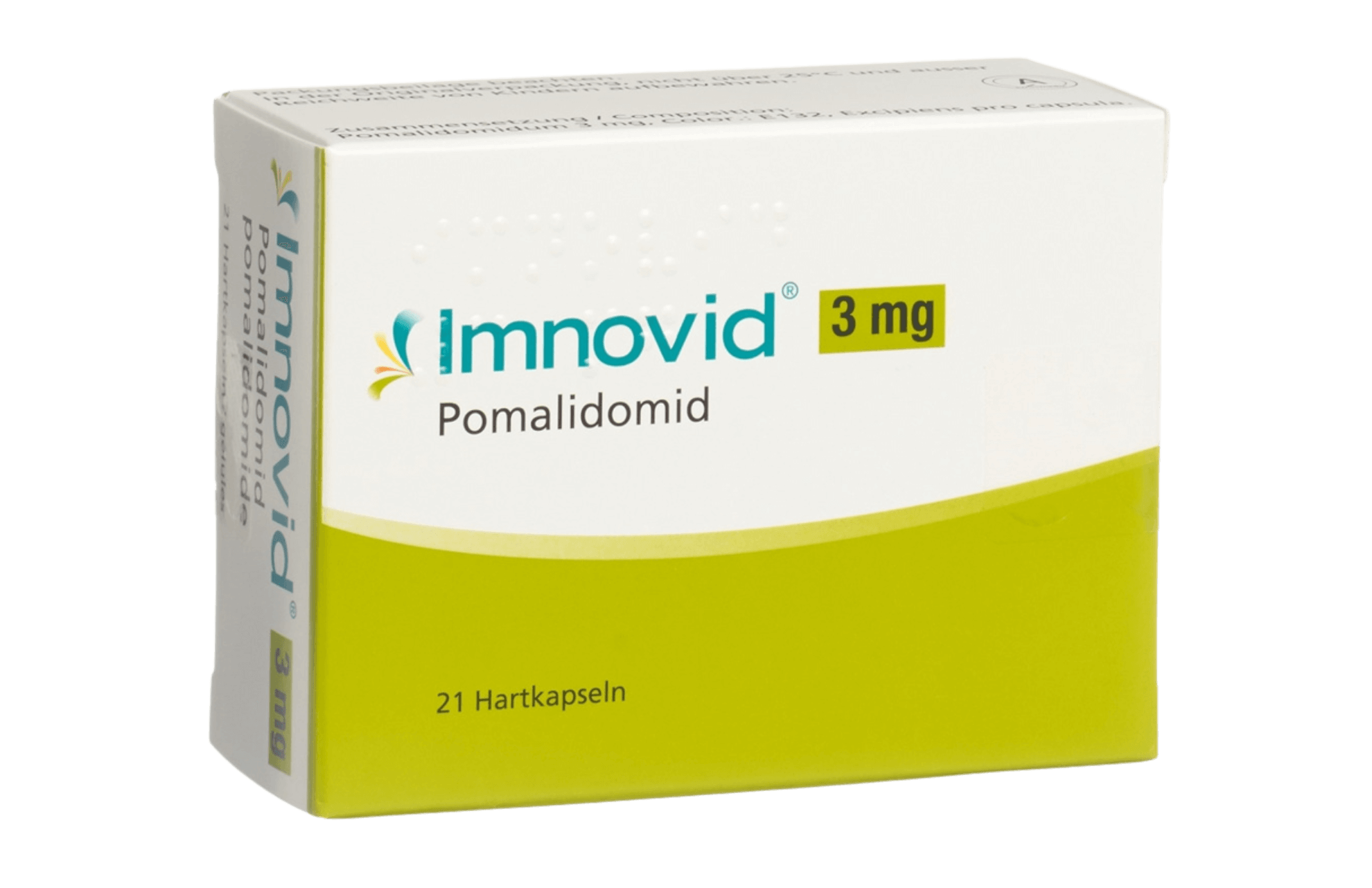
Imnovid
Active Ingredients:
Pomalidomide
Brand Manufacturer:
Manufacturer Location:
Click here to view Product Insert
For visual reference only; actual product may vary
Pomalyst (pomalidomide) is an oral anti-cancer medicine used to treat adults with multiple myeloma. It is prescribed when the cancer has returned or progressed after other treatments. Pomalyst works by slowing tumor growth and helping the immune system attack cancer cells.
| Imnovid Brand | 4mg 21 Capsules |
-
|
Our price: $7,325.00 |
|
| Imnovid Brand | 3mg 21 Capsules |
-
|
Our price: $6,720.00 |
|
| Imnovid Brand | 2mg 21 Capsules |
-
|
Our price: $8,080.00 |
|
| Imnovid Brand | 1mg 21 Capsules |
-
|
Our price: $7,500.00 |
Pomalyst is an oral prescription medication used to treat adults with multiple myeloma. Its active ingredient is pomalidomide. This medicine is a form of targeted therapy known as an immunomodulatory agent. Pomalyst is specifically indicated for patients whose cancer has come back (relapsed) or has not responded to previous treatments (refractory). It is not a first-line treatment. Instead, it offers an important option when other therapies are no longer effective. Pomalyst is almost always used in combination with another medicine called dexamethasone to improve its effectiveness.
Pomalyst works in several advanced ways to fight multiple myeloma. Firstly, it helps your own immune system recognize and attack the cancerous plasma cells. Secondly, it directly stops myeloma cells from multiplying and surviving. This is called an anti-proliferative effect. Finally, it prevents the tumors from forming new blood vessels. This process, known as anti-angiogenesis, cuts off the supply of nutrients and oxygen that cancer cells need to grow. By combining these three actions, Pomalyst effectively slows down the progression of the disease and helps to manage its symptoms.
Pomalyst is for adults who have been diagnosed with multiple myeloma and have already undergone at least two prior therapies. These earlier treatments might include lenalidomide and a proteasome inhibitor. This medication is specifically for patients whose disease has either returned or has proven resistant to those other treatments. Because of its specific indications and potential side effects, Pomalyst is prescribed by hematologists or oncologists. These specialists have experience in treating multiple myeloma. Patients must be able to follow strict safety protocols, especially regarding pregnancy prevention.
Pomalyst dosage and administration are carefully managed by a healthcare provider. The standard dose is a 4 mg capsule taken orally once a day. You should swallow the capsule whole with water, at the same time each day. It can be taken with or without food. Do not break or chew the capsules. Pomalyst is given in treatment cycles, usually lasting 21 or 28 days. You take the drug on certain days and have rest days where you do not. If you miss a dose, do not double up. Simply take the next scheduled dose the following day. Always follow the specific calendar provided by your doctor.
Pomalyst can cause side effects, although not everyone will get them. Common side effects include fatigue, weakness, constipation, nausea, and shortness of breath. Because it affects bone marrow, it can lead to low blood cell counts. This may cause anemia (low red cells), neutropenia (low white cells, increasing infection risk), and thrombocytopenia (low platelets, causing bruising or bleeding). More serious side effects can occur. These include a high risk of blood clots in the legs or lungs. It can also cause nerve damage (neuropathy), dizziness, or skin rashes. Seek immediate medical help for chest pain, severe leg swelling, or signs of a serious allergic reaction.
IsraelPharm provides a reliable and affordable source for essential medications like Pomalyst. We are committed to making vital cancer treatments accessible to patients in the US and worldwide. Our licensed pharmacy ensures that all medications are authentic and sourced from legitimate manufacturers. When you order from us, you get the convenience of delivery directly to your door. Our customer care team is available to assist you with your prescription needs, offering professional and discreet service. We help bridge the gap in access to healthcare, providing savings on life-sustaining drugs.
Pomalyst can cause side effects. Your doctor prescribes it because they believe the benefit outweighs the risk. Always consult your doctor for medical advice.
Seek immediate medical attention if you experience any of the following:
Pomalyst is used for the treatment of multiple myeloma, a type of blood cancer that affects plasma cells in the bone marrow.
It is indicated for adult patients who have received at least two prior therapies, including lenalidomide and a proteasome inhibitor, and have demonstrated disease progression on or within 60 days of completion of the last therapy. Pomalyst can help delay the progression of the disease and control its symptoms.

Pomalyst is an oral medication primarily used to treat adults with multiple myeloma, a cancer of plasma cells. It is specifically for patients whose disease has come back (relapsed) or no longer responds to other treatments (refractory). Pomalyst is often combined with other medicines like dexamethasone to help control the cancer's growth and manage symptoms more effectively.
Pomalyst should be taken exactly as your doctor prescribes, which is typically once a day at the same time. The capsules should be swallowed whole with a glass of water and can be consumed with or without food. You must not break, chew, or open the capsules, as the powder inside can be harmful if inhaled or touched.
If you miss a dose of Pomalyst, you should take your next dose at its regularly scheduled time on the following day. You should never take two doses at once to make up for a missed one. If you are ever unsure what to do after missing a dose, contact your doctor or pharmacist for guidance on how to proceed with your treatment schedule.
Pomalyst may interact with alcohol, potentially increasing side effects like dizziness, confusion, or drowsiness. It is generally advisable to limit or completely avoid alcohol consumption during your treatment. Always discuss your alcohol use with your doctor to understand the specific risks and receive personalized recommendations for your health and safety while on this medication.
Pomalyst commonly causes side effects such as fatigue or weakness due to low red blood cell counts (anemia). Other frequent unwanted effects include constipation, nausea, diarrhea, shortness of breath, and an increased risk of infections like pneumonia. Numbness or tingling in the hands and feet, known as peripheral neuropathy, may also occur during treatment.
Pomalyst is considered a targeted oral anti-cancer therapy and an immunomodulatory agent. It works differently from traditional intravenous chemotherapy by helping the immune system fight cancer cells and stopping tumors from growing new blood vessels. This action helps slow the progression of multiple myeloma, often with a different side effect profile than many older chemotherapy drugs.
Pomalyst is typically taken in 21 or 28-day cycles for as long as it is helping to control your multiple myeloma and the side effects are tolerable. Your oncologist will monitor your progress with regular blood tests and check-ups to determine the appropriate duration of your treatment. You should not stop taking Pomalyst without specific instructions from your doctor.
Pomalyst can significantly increase your risk of developing serious blood clots, such as deep vein thrombosis (DVT) in the legs or pulmonary embolism (PE) in the lungs. Your doctor will likely prescribe a blood-thinning medication to help prevent this. You should seek immediate medical help if you experience chest pain, sudden shortness of breath, or painful swelling in one leg.
Pomalyst is distributed under a mandatory safety program in the U.S. called REMS (Risk Evaluation and Mitigation Strategy) because it can cause severe birth defects. This program requires that doctors, patients, and pharmacies are certified and aware of the risks. For example, female patients must have regular pregnancy tests and commit to using effective contraception during treatment.
Pomalyst should be stored safely at room temperature, below 25°C (77°F), in its original blister pack and carton to protect it from light and moisture. It is very important to keep this medication in a secure place, out of the reach and sight of children and pets. Do not use any capsules that are past their expiration date.
Pomalyst does affect the immune system as part of its main mechanism of action. It works by enhancing the immune system's natural ability to identify and destroy myeloma cells. However, it can also lower your white blood cell count (neutropenia), which is crucial for fighting infections. This can increase your susceptibility to getting sick, so your doctor will monitor your blood counts closely.
Pomalyst is known to cause severe, life-threatening birth defects or fetal death, so you absolutely must not get pregnant while taking it. Women who can become pregnant must use two different effective forms of birth control, starting four weeks before treatment and continuing for four weeks after stopping. Regular pregnancy tests are mandatory during treatment.
Pomalyst is most often prescribed as part of a combination therapy to increase its effectiveness. It is commonly used with a corticosteroid medication called dexamethasone. For some patients, a doctor may also add a proteasome inhibitor, such as bortezomib, to the treatment regimen. This multi-drug approach is standard for relapsed multiple myeloma.
Send Your Prescription
No Hidden Fees
Generally 7-10 Business Days

IsraelPharm has been delivering lost cost prescriptions from Israel for over 15 years worldwide. Daily flights allow us to get your medications dispatched fast! Delivery to the USA is under 10 days and you can track and trace every order.

Struggling with acid reflux? Sarah Ryan shares her personal experience using Nexium for GERD and how to find affordable brand-name relief through a licensed pharmacy.

Polycystic Metabolic Ovarian Syndrome (PMOS) is the new clinical name for the condition long known as Polycystic Ovary Syndrome (PCOS). The change reflects a deeper scientific understanding that insulin resistance and metabolic dysfunction sit at

Off-label prescribing means using an FDA-approved medication outside thant defined approved use.
The drug itself is identical; only the purpose, dose, age group, or form differs.
Off-label prescribing is legal in the United States and is governed by physician judgement.